
By Harshit
DHAKA, NOVEMBER 17, 2025 —
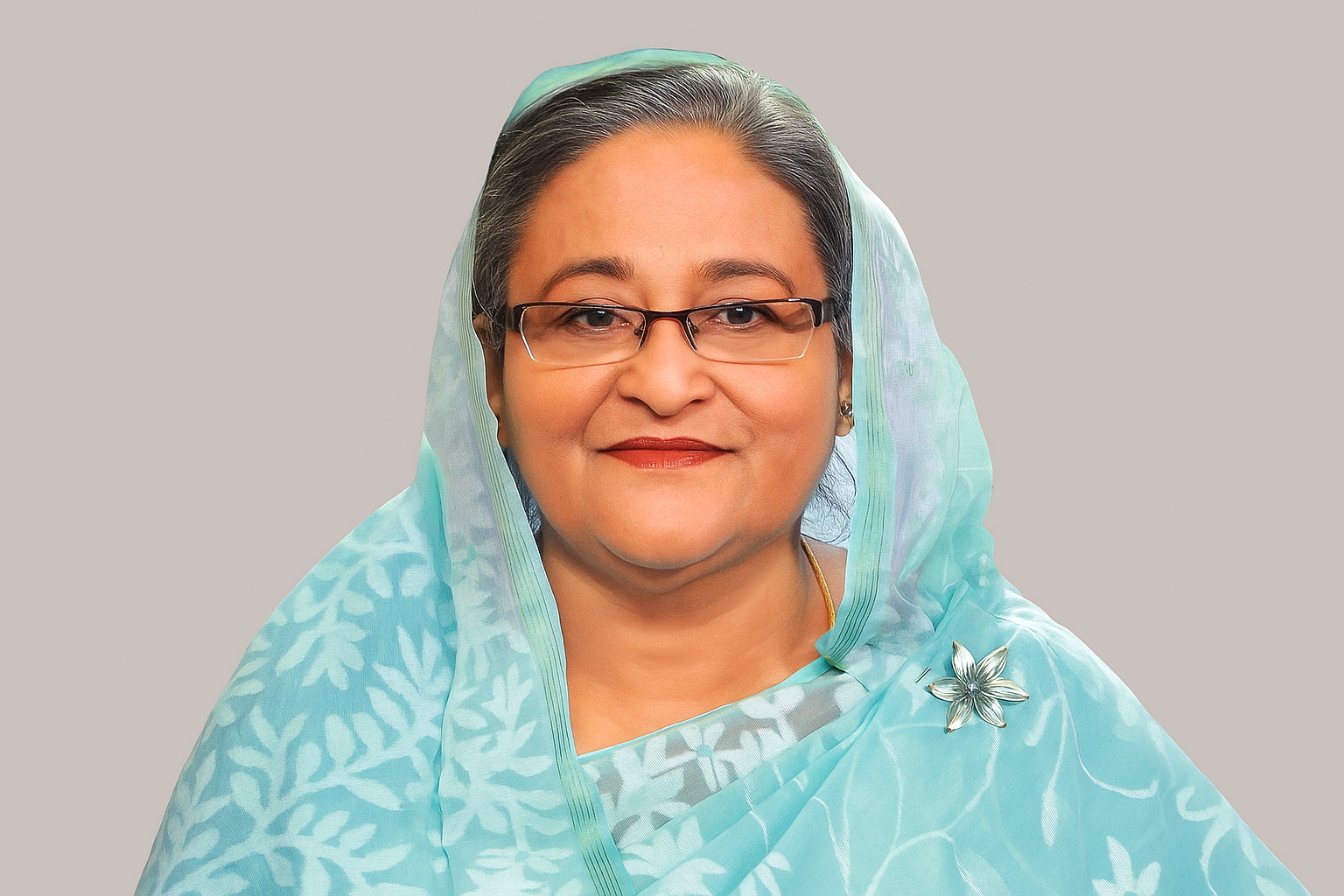
Bangladesh was thrown into political shock on Monday after a Dhaka special tribunal sentenced former Prime Minister Sheikh Hasina to death for crimes against humanity connected to last year’s deadly crackdown on anti-government protests. The verdict marks one of the most consequential judicial rulings in the nation’s history and threatens to reshape Bangladesh’s political future for years to come.
Hasina, who has been living in exile in India since fleeing the country in August 2024, was tried in absentia alongside her former interior minister Asaduzzaman Khan Kamal and ex–police chief Chowdhury Abdullah Al-Mamun. Of the three, only Mamun was present in the courtroom to hear the sentence.
A Verdict Years in the Making
The tribunal found Hasina guilty of authorising and enabling the use of lethal force against mostly student protesters demanding reform of Bangladesh’s controversial job quota system. According to UN estimates, hundreds were killed in the July–August 2024 crackdown, and thousands more were injured. Video footage of police shooting at crowds, beating students, and raiding university hostels sparked national outrage and international condemnation.
The judges delivered the verdict to a packed courtroom under intense security. As the sentence was read aloud, applause erupted from sections of the room, despite the court’s request that decorum be maintained.
Hasina Rejects Charges as “Political”
Minutes after the ruling, Hasina released a five-page statement from India denouncing the verdict as “biased and politically motivated.” She said the tribunal was designed to “eliminate the Awami League as a political force” and insisted she had committed no crimes.
“I am not afraid to face my accusers in a proper tribunal where evidence can be tested fairly,” she wrote. “This interim government knows it cannot prove these charges in an international court.”
Her state-appointed lawyer in Dhaka, Mohammad Amir Hossain, expressed regret that he could not appeal the sentence, saying, “I am sad because my client is absent. I wish the verdict had been different.”
Public Anger Still Raw
Human rights activist Shireen Huq, who works with people who were permanently disabled during the crackdown, said the verdict would not erase the trauma felt by victims.
“They will never forgive her,” she said. “Neither she nor the Awami League has apologised. The anger has not subsided.”
Crowds gathered outside the court and across Dhaka, with many chanting slogans calling for the “highest punishment” for the former prime minister. Police fired stun grenades to disperse protesters near Dhanmondi 32, Hasina’s family residence. Soldiers were later deployed to maintain order.
Why the Protests Happened
The unrest began when students demanded an end to Bangladesh’s 30% job quota for descendants of 1971 war heroes. Critics said Hasina’s government had turned the quota system into a patronage tool for loyalists. With youth unemployment soaring, resentment exploded, triggering one of the largest anti-government uprisings in Bangladesh’s history.
Following Hasina’s fall, Nobel laureate Muhammad Yunus was appointed interim leader. His administration slashed the quota to 5%, stabilised foreign reserves, and secured IMF support—but the country remains economically fragile.
What Happens Next?
Legal experts say enforcing Hasina’s death sentence will be nearly impossible without India’s cooperation. Dhaka has formally requested extradition, but New Delhi has shown no indication it will hand her over.
India’s government must now balance geopolitical ties, domestic political considerations, and its longstanding but complicated relationship with Hasina.
There are also fears the verdict could inflame tensions and trigger fresh unrest. Although many Bangladeshis celebrated the announcement, others worry the sentence will deepen political divides and provoke retaliatory violence.
A Turning Point for Bangladesh
Analysts say the decision could define Bangladesh’s trajectory for years.
“This verdict is not just about accountability,” one political scholar said. “It will determine whether the interim government consolidates legitimacy—or whether Bangladesh becomes more polarised.”
With Hasina still commanding loyalty among segments of the population, many believe the country has entered a phase of heightened volatility.
For now, Dhaka remains under tight security as Bangladesh waits to see how events unfold in the days ahead.