
By Harshit
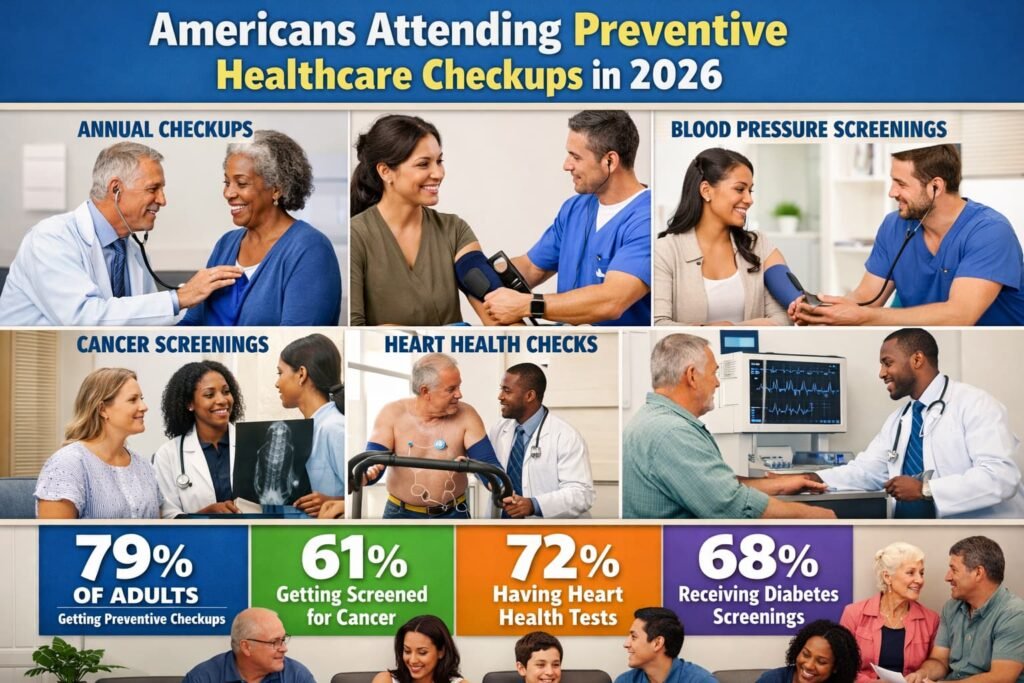
BOSTON, JANUARY 20 — For decades, preventive healthcare in the United States was framed as a long-term public health ideal rather than a financial priority. In 2026, that distinction no longer exists. With medical costs continuing to rise and insurance coverage becoming more complex, preventive care is increasingly viewed not as optional—but as essential for household financial stability.
This shift is reshaping how Americans interact with doctors, insurers, and the healthcare system itself.
Healthcare Costs Are Forcing a Behavioral Change
Even as overall inflation has moderated, healthcare costs remain stubbornly high. Insurance premiums, deductibles, and out-of-pocket expenses continue to rise faster than wages for many households. A single emergency hospital visit can still derail family finances, particularly for middle-income Americans with limited savings.
As a result, more people are turning toward preventive care—not primarily to improve long-term health outcomes, but to avoid catastrophic medical bills later.
Annual checkups, screenings, and early diagnostics are increasingly seen as cost-control strategies rather than lifestyle choices.
Insurance Incentives Are Driving Preventive Care
Health insurers are playing a central role in accelerating this trend. In 2026, many U.S. insurance plans now offer:
- Zero-cost annual physicals
- Free or discounted screenings
- Incentives for chronic disease management
- Reduced premiums tied to preventive compliance
These programs are not driven by generosity. Insurers have determined that early detection and routine monitoring significantly reduce high-cost claims over time.
For patients, the message is clear: preventive care is now financially rewarded, while neglect carries penalties.
Wearable Technology Enters the Healthcare Equation
One of the most visible changes in preventive care is the integration of wearable health technology. Devices that monitor heart rate, sleep patterns, activity levels, and even early indicators of illness are increasingly incorporated into insurance and employer wellness programs.
While privacy concerns remain, many Americans are accepting trade-offs in exchange for lower costs and better insights into their health. These tools allow physicians to detect warning signs earlier—often before symptoms become severe.
Primary Care Makes a Quiet Comeback
After years of strain and understaffing, primary care is regaining importance in 2026. Health systems are investing in expanded primary-care networks, virtual consultations, and longer-term patient relationships.
This shift reflects a recognition that emergency-room-driven healthcare is unsustainable—both financially and operationally. Preventive-focused primary care reduces hospital congestion and improves outcomes at a lower cost.
Chronic Conditions Drive the Economics
Much of America’s healthcare spending is concentrated in chronic conditions such as diabetes, heart disease, and hypertension. These illnesses are expensive to treat once advanced, but far cheaper to manage when caught early.
Preventive monitoring, lifestyle counseling, and routine testing are now central to controlling long-term healthcare spending. For patients, early intervention often means fewer medications, fewer hospital visits, and greater quality of life.
The Financial Divide in Access
Despite progress, preventive healthcare access remains uneven. Higher-income Americans are more likely to receive regular screenings and follow-up care, while lower-income households still face barriers such as time constraints, transportation issues, and limited provider availability.
This divide raises concerns that preventive care could widen health disparities if access is not expanded equitably.
What This Means for the Future of U.S. Healthcare
Preventive healthcare is no longer framed as a moral or medical ideal alone—it is an economic necessity. Employers, insurers, and healthcare systems increasingly agree that early care is the only viable path to long-term sustainability.
For individuals, the implications are personal and immediate. Skipping preventive care in 2026 carries not just health risks, but financial ones.
A Cultural Shift Underway
The American healthcare system is not being transformed overnight. But a cultural shift is clearly underway—one in which prevention is no longer optional, reactive care is increasingly penalized, and personal health decisions are deeply intertwined with financial outcomes.
In the years ahead, the cost of ignoring preventive healthcare may prove higher than ever before.