
WASHINGTON, MARCH 31, 2026 —
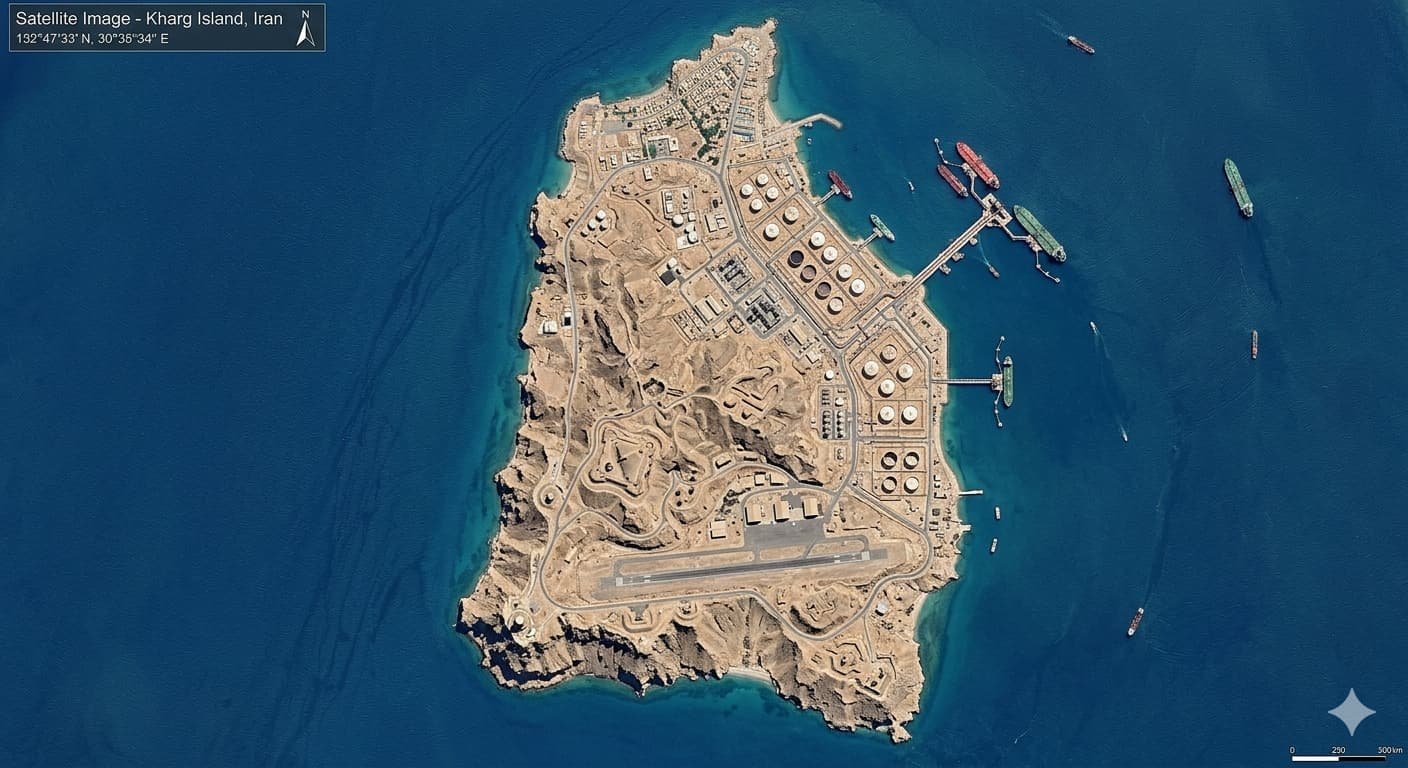
The war that was supposed to be over by now is preparing for a new phase — one that would put American boots on Iranian soil for the first time and risk casualties on a scale the previous 31 days have not produced. The Pentagon has drawn up detailed plans for weeks of limited ground operations in Iran, according to U.S. officials quoted by the Washington Post — plans that include seizing Kharg Island, the Persian Gulf hub through which 90% of Iran’s crude exports flow, and conducting raids on coastal sites near the Strait of Hormuz to destroy weapons capable of threatening American and commercial ships.
The plans have not been approved by President Trump. Whether he will approve them remains genuinely uncertain. But the fact that they exist — that they have been war-gamed, detailed, and described by senior officials as “not last-minute planning” — marks the most significant escalation of the war’s military ambitions since Operation Epic Fury launched on February 28.
What the Pentagon Is Actually Planning
The Washington Post’s report, which cited multiple U.S. officials, described a blueprint that falls deliberately short of a full-scale invasion. The operations under consideration would involve raids by Special Operations forces and conventional infantry troops targeting four specific objectives: seizing Kharg Island, conducting raids on Iran’s strategic island of Larak — which controls navigation in the eastern Strait of Hormuz — seizing Abu Musa and two smaller islands near the strait’s western entrance, and boarding or seizing ships illegally exporting Iranian oil.
A former senior defense official familiar with the plans left no ambiguity about their scope. “We’ve looked at this. It’s been war-gamed. This is not last-minute planning,” he told the Post. On the central challenge of holding Kharg Island after taking it, the same official was direct: “You’ve got to provide cover for the people on Kharg Island. That’s the difficult task. Seizing it is not difficult. Protecting your guys once they are there is.”
CNN separately reported that Iran has already begun preparing for exactly this scenario. Satellite imagery and intelligence reporting show Iran moving additional military personnel, shoulder-fired surface-to-air missile systems, and air defense assets to Kharg Island in recent weeks — specifically in anticipation of an American amphibious landing. The island, roughly a third of the size of Manhattan, has layered defenses that would require a robust landing force to overcome.
The Troops Already Moving
The military assets for a Kharg operation are not hypothetical. They are already underway. Two Marine Expeditionary Units — the Tripoli Amphibious Ready Group and the Boxer Amphibious Ready Group — have deployed to the region, adding approximately 4,500 Marines and sailors equipped with amphibious warships, aviation assets, and landing craft. Approximately 1,000 soldiers from the 82nd Airborne Division’s Immediate Response Force are also expected to deploy in the coming days. In total, nearly 7,000 additional troops have been sent to the region since the war began — the largest Middle East deployment in approximately 20 years.
That force composition is telling. Marine Expeditionary Units specialize in rapid-response amphibious landings, raids, and assault missions from Navy ships. The 82nd Airborne specializes in parachute assaults onto defended positions. Neither unit is optimized for sustained occupation — but both are precisely configured for the kind of rapid, high-intensity raids the Pentagon plans describe.
Why Kharg Island — And Why It Is Extremely Risky
The strategic logic behind a Kharg seizure is straightforward. The island handles 90% of Iran’s crude oil exports. Controlling it eliminates Tehran’s primary source of war revenue and creates powerful leverage in any ceasefire negotiation — leverage that air strikes alone cannot provide because they can destroy infrastructure but cannot hold it.
The risks are equally straightforward. Military analysts at the Foundation for Defense of Democracies published an assessment Monday arguing that seizing Kharg Island would be more likely to expand and extend the war than to end it. Iran’s Navy Chief has already threatened to target the USS Abraham Lincoln carrier strike group if it comes within firing range. Iran’s Parliament Speaker warned that Iranian forces are waiting for American troops to land on Iranian soil “to burn them.” And once U.S. forces occupy the island, any withdrawal would be perceived as a strategic defeat — creating the conditions for exactly the kind of mission creep the Pentagon’s plans are designed to avoid.
Gulf allies are privately urging the administration against the operation. A senior Gulf official told CNN that occupying Kharg with U.S. troops would result in high casualties, trigger Iranian retaliation against Gulf infrastructure, and prolong the conflict — the opposite of what both Washington and Riyadh want from this war.
Trump Has Not Decided — But He Has Not Ruled It Out
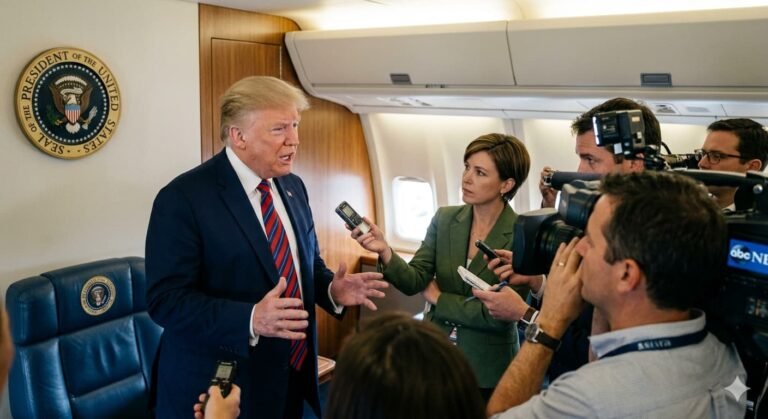
White House Press Secretary Karoline Leavitt’s statement Monday captured the administration’s position precisely: “It is the job of the Pentagon to make preparations in order to give the Commander in Chief maximum optionality. It does not mean the president has made a decision.”
Trump himself has been characteristically unpredictable on the question. He told the Financial Times last week that seizing Kharg Island was among the options under consideration, adding that “it would also mean we had to be there for a while.” On Sunday he said Iran had agreed to “most of” the U.S. peace plan and that talks were going well. On Monday he threatened to “completely obliterate” all of Iran’s energy sources if a deal is not reached before April 6.
The gap between those three statements is the defining feature of this war’s 31st day: simultaneous pursuit of diplomacy and military escalation, with no clear signal from the man who controls both of which one he actually intends to use.