
Photo by Abdulrhman Alkhodiry on Unsplash
A projectile struck King Khalid International Airport on Sunday, killing one person and injuring 11, Saudi Arabia’s General Authority of Civil Aviation (GACA) said. The attack marks the fourth time the facility has been hit in the span of five days, deepening a crisis that has effectively shut down one of the kingdom’s busiest air hubs.
GACA identified the person killed in Sunday’s strike as a Pakistani resident. A witness said the projectile hit the tarmac next to several parked planes at about 8:30pm, or 17:30 GMT, sparking a fire that lit up the airfield. The airport has remained closed since Saturday’s attack, which authorities and news reporting have described as the deadliest assault on Saudi soil since the US-Israel war on Iran began in late February.
A Mounting Death Toll
Saturday’s strike on King Khalid International Airport killed at least 12 people and wounded more than 300, according to GACA. The dead included four Saudi citizens, two Bangladeshis, and one national each from the United States, Jordan, Palestine, Syria, Sudan and Egypt, GACA said. An Indian national who was injured in that attack later died, the Embassy of India in Saudi Arabia said, pushing the toll from Saturday’s bombardment to 13.
The carnage did not begin on Saturday. Houthi attacks on the airport on Thursday killed at least three Saudi citizens, including a pilot, GACA said. Taken together, the string of strikes over less than a week has turned King Khalid International into a recurring target, with casualties piling up among both Saudi nationals and foreign workers and travelers caught in the violence.
The presence of an American citizen among Saturday’s dead could draw President Trump further into the conflict, the Saudi civil aviation body said. That detail has taken on added weight given reporting that Trump is weighing US action against the Houthis in response to the escalating campaign.
Coalition Vows Response
The Saudi-led coalition blamed Iran-backed Houthi rebels in neighboring Yemen for Saturday’s attack, calling it a “fully-fledged war crime” and vowing a decisive response. The language signals that Riyadh and its partners view the strikes not as isolated incidents but as a sustained assault demanding a coordinated military or diplomatic answer.
Saudi Arabia, Egypt, Pakistan and Turkey strongly condemned the ongoing hostile attacks targeting King Khalid International Airport, according to a joint statement from the Saudi foreign ministry. The four-nation condemnation underscores how the strikes have rippled beyond Saudi borders, drawing concern from governments whose citizens have been killed or injured in the bombardment, including the Bangladeshi, Indian and Pakistani nationals among the victims.
Beyond the human toll, the attacks have caused significant property damage. GACA said the strikes damaged a plane operated by national carrier Saudia, adding a costly material dimension to a crisis already straining the kingdom’s aviation infrastructure.
Why the Airport Matters
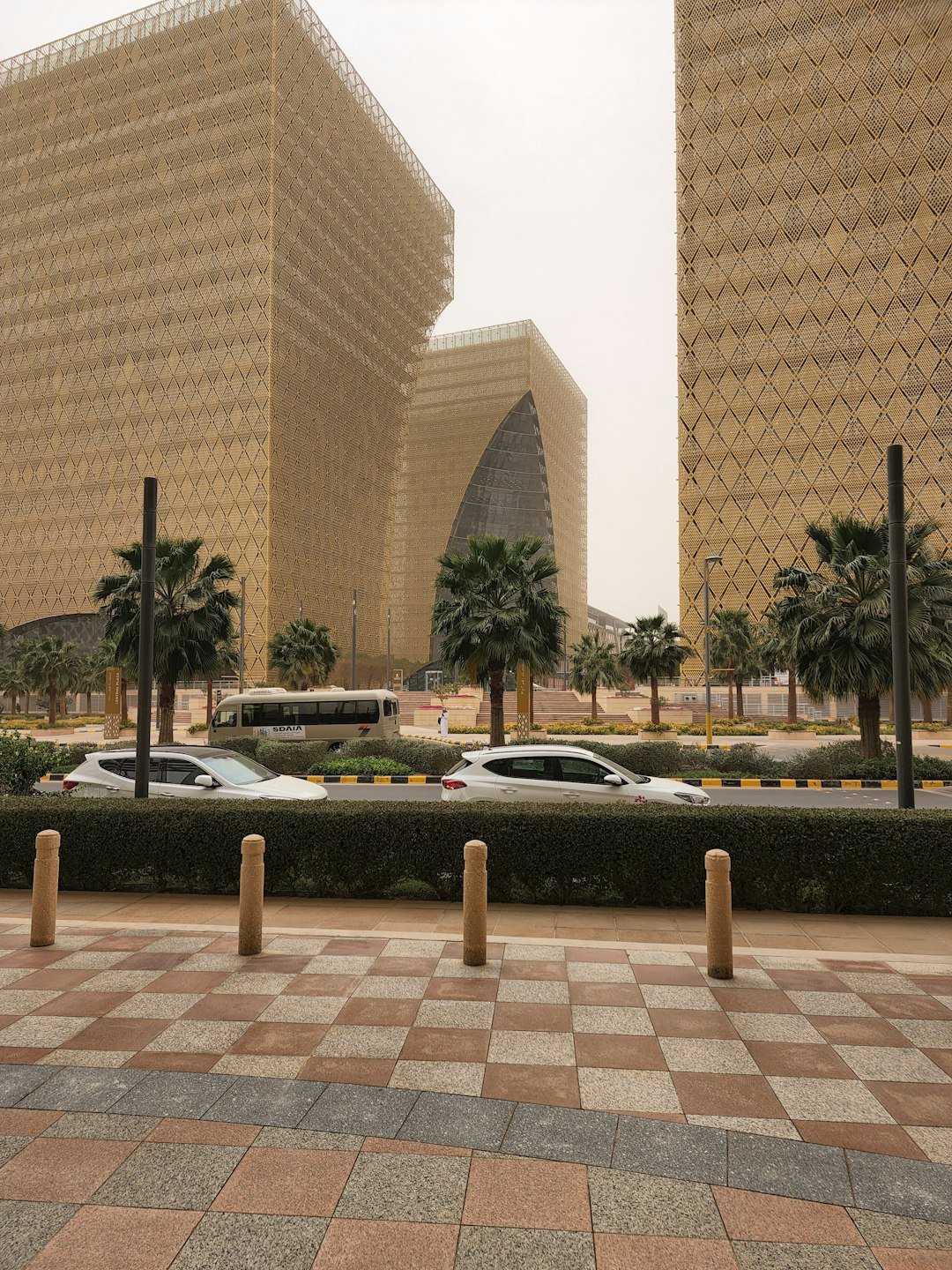
King Khalid International Airport serves the capital, Riyadh, a city of about eight million people, and is Saudi Arabia’s second-busiest airport, according to news reporting. Its repeated closure disrupts not just commercial air travel but the daily movement of hundreds of thousands of residents, workers and visitors who rely on the facility to connect the capital to the rest of the world.
The fact that the airport has now been struck four times in five days raises urgent questions about the kingdom’s ability to defend critical infrastructure deep inside its own territory. Riyadh sits hundreds of miles from the Yemeni border, and the ability of Houthi forces to repeatedly reach the capital’s airport suggests either an expansion of the group’s strike capability or gaps in Saudi air defenses that have yet to be publicly addressed.
For the families of those killed, the nationality breakdown of the dead tells its own story of how global the airport’s workforce and passenger base truly are. Saudi citizens, Bangladeshi and Indian nationals, an American, a Jordanian, a Palestinian, a Syrian, a Sudanese and an Egyptian have all lost their lives in the span of less than a week. That spread of nationalities among the victims illustrates just how interconnected the airport is with the wider world, and how an attack on a single piece of Saudi infrastructure can send shockwaves through multiple countries simultaneously.
With the airport still closed following Sunday’s strike, there is no public timeline yet for when normal operations might resume. The coalition’s vow of a “decisive response” suggests further military action may be imminent, while the diplomatic condemnations from Saudi Arabia, Egypt, Pakistan and Turkey indicate that regional and international pressure on the Houthis is intensifying. Whether that pressure translates into a reduction in strikes, or whether King Khalid International Airport faces a fifth attack in the coming days, remains to be seen. For now, the tarmac where planes once taxied toward departure gates bears the scorch marks of a conflict that shows no sign of slowing.