
By Harshit, NEW DELHI, November 1, 2025 — 8:30 PM IST
India’s smaller cities, long known for their traditional crafts and manufacturing, are now becoming the country’s newest startup engines. A mix of e-commerce growth, global exposure, and a generational shift in business thinking is fueling a wave of entrepreneurship from places once considered far from the innovation map.
The Rise of Small-City Entrepreneurs
In Jaipur, fashion entrepreneur Aarushi Kilawat has turned her passion for handwoven and embroidered fabrics into a global brand. Her label, The Loom Art, founded in 2018, collaborates with over 500 artisans from small Indian towns to produce garments that retail in Mumbai, Delhi, and even abroad.
“I have watched Shark Tank India regularly since it launched,” Kilawat said. “It made entrepreneurship a dinner-table topic across India.” Inspired by the show, she expanded into upcycled brass jewelry, hoping to pitch her eco-friendly brand on national television one day.
The timing was perfect. During the pandemic, online shopping surged, and India’s startup ecosystem exploded. The year 2021 marked a record high for startup funding—over $42 billion raised—as small-town entrepreneurs seized digital opportunities.
According to India’s Department for Promotion of Industry and Internal Trade, by February 2025, 157,000 startups had been officially recognized, with more than 51% originating from Tier-2 and Tier-3 cities. Lower operating costs, better connectivity, and access to skilled labor have made these cities attractive launchpads.
E-commerce Powering New Growth
On Monday, Amazon India reported that smaller cities were “witnessing remarkable growth” on its Amazon Global Selling platform. Exporters from Karur and Erode in Tamil Nadu generated sales worth $180 million in 2024, while Gujarat’s Junagadh and Anand crossed $100 million.
“India’s wealth creation story is fast decentralizing,” said Anas Rahman Junaid, founder of research firm Hurun India. “While metros still dominate, cities like Coimbatore, Surat, Indore, and Lucknow are becoming powerful engines of wealth.”
The success stories back his claim. Jaipur-based skincare startup Minimalist, launched in 2020 through a single Instagram post, grew from $3 million to $42 million in annual sales in just four years. Earlier this year, Unilever acquired the brand for ₹27.06 billion ($325 million)—over five times its annual revenue.
“Tier-2 and Tier-3 cities aren’t just participating in e-commerce—they’re powering it,” said Zaiba Sarang, co-founder of iThink Logistics. “Over half of our daily deliveries now originate from smaller towns, with outbound volumes growing faster than ever.”
A Generational Shift in Mindset
Historically, cities like Agra, Surat, and Jaipur have thrived on manufacturing—leather, carpets, and textiles. But now, a new generation of educated youth is reimagining these family businesses as modern brands.
Raunak Singhvi, an angel investor focused on small-town startups, said, “Many second- and third-generation entrepreneurs are moving away from contract manufacturing and building their own consumer-facing brands.”
For instance, one Tirupur-based apparel manufacturer, long known for producing “western wear” for global retailers, now has its next generation launching a homegrown brand to reach customers directly.
Kilawat said operating from Jaipur, known as the “Pink City,” offers unique advantages. “The city has a thriving ecosystem of artisans, fabric suppliers, and skilled craftspeople. It makes sourcing and customization seamless,” she said.
From Local Brands to National Recognition
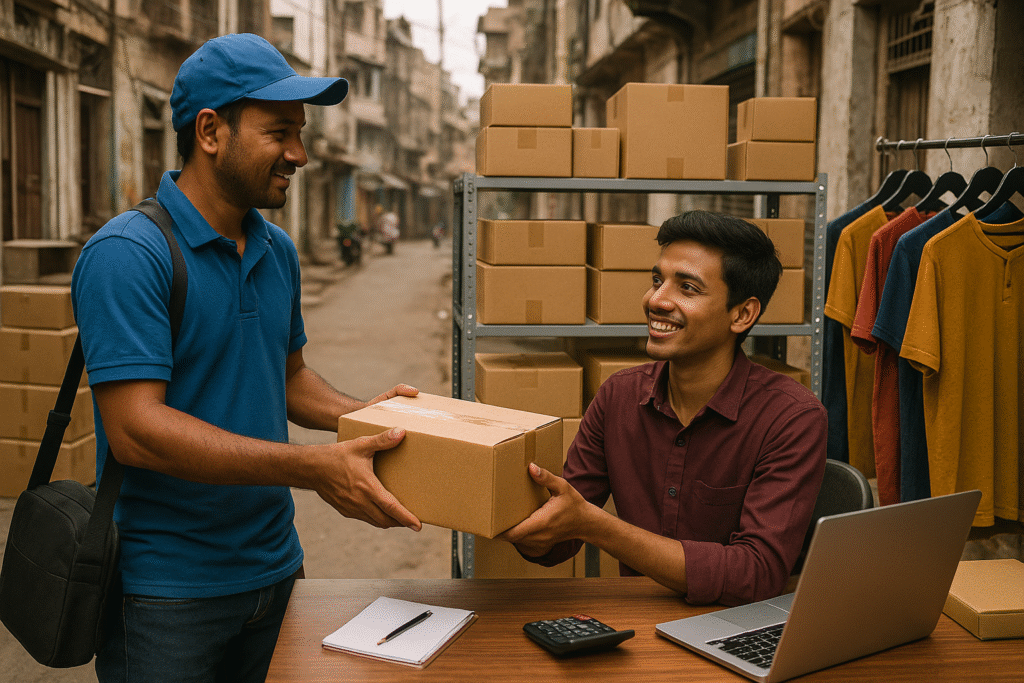
The rise of e-commerce and digital marketing has made it easier for small-town businesses to go national. Social media platforms and online storefronts allow entrepreneurs to sell directly to customers without relying on middlemen.
Mall expert Susil Dungarwal, founder of Beyond Squarefeet, noted a striking trend: “Before the pandemic, local brands made up just 3% of mall space. Today, that number is close to 30%.”
This rapid transformation reflects how small-town family-owned ventures are scaling faster than ever. Entrepreneurs are not just opening shops—they’re opening possibilities for others in their communities.
Inspiration from Television and Technology
Shows like Shark Tank India have played a surprising role in this wave. By showcasing real-world business stories, the program has demystified entrepreneurship for middle-class households.
“Founders from small towns are becoming bold and taking calculated risks,” Dungarwal added. “They’ve realized that they can compete with big-city brands if they have quality, story, and digital presence.”
From Jaipur’s fashion houses to Gujarat’s exporters and Tamil Nadu’s textile hubs, the message is clear: India’s next economic boom may not be coming from its metros—but from the heartland.
As Kilawat puts it, “For the first time, small cities are not just catching up—they’re leading the charge.”