
By Harshit
KINGSTON, JAMAICA, NOVEMBER 25, 2025
Jimmy Cliff, the legendary Jamaican singer, songwriter, and actor who helped carry reggae from the streets of Kingston to the world stage, has died at the age of 81. His wife, Latifa Chambers, confirmed the news in an emotional statement on Instagram, revealing that the musician passed away after a seizure followed by pneumonia.
Cliff, whose birth name was James Chambers, was one of the most influential figures in reggae music, celebrated for timeless hits such as Wonderful World, Beautiful People, Many Rivers to Cross, You Can Get It If You Really Want, and The Harder They Come. His charismatic presence, soulful voice, and ability to merge struggle with hope made him a global cultural force and one of Jamaica’s most cherished ambassadors.
A Life Rooted in Music and Resilience
Born in 1944 in St. James, Jamaica, Cliff was the eighth of nine children growing up in extreme poverty. His musical journey began early: by age six, he was singing in his local church, already displaying the sweetness and clarity that would later define his sound.
Inspired by ska trailblazer Derrick Morgan, the young Cliff began writing songs as a child, even crafting his own guitar out of bamboo. At 14, determined to pursue music seriously, he moved to Kingston and adopted the stage name “Cliff,” symbolizing the heights he planned to reach.
His break came with Hurricane Hattie, a self-written single that topped the Jamaican charts. In 1965, he moved to London to collaborate with Island Records. Though early attempts to reshape his sound for rock audiences faltered, Cliff’s perseverance paid off. By the late 1960s, he had captured international attention with songs like Wonderful World, Beautiful People and Vietnam, the latter earning praise from Bob Dylan as “the best protest song ever written.”
A Star on Screen and Soundtrack
Cliff’s global impact deepened with the 1972 film The Harder They Come, in which he starred as Ivan Martin, an aspiring musician navigating Jamaica’s corrupt music world. His portrayal of a desperate yet determined young man became iconic, and the film is widely credited with introducing reggae to American audiences. The soundtrack — featuring Cliff’s Many Rivers to Cross, Sitting in Limbo, and the title track — became essential listening for reggae enthusiasts and was later named among Rolling Stone’s top 500 albums of all time.
Reflecting on the film years later, Cliff said, “It opened the door for Jamaica. It said, ‘This is where this music comes from.’”
Decades of Influence and Achievement
Cliff remained a dynamic figure in global music through the 1980s and 1990s. He collaborated with the Rolling Stones, won Grammy Awards for his albums Cliff Hanger (1985) and Rebirth (2012), and returned to the U.S. charts in 1993 with his beloved cover of I Can See Clearly Now from the film Cool Runnings.
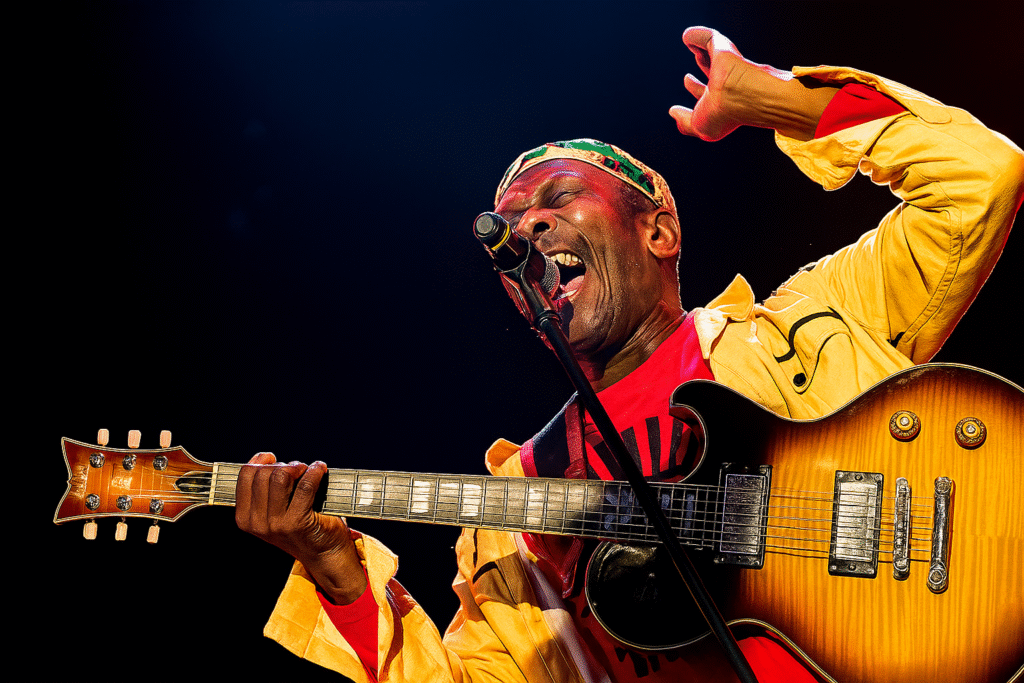
His live performances were a testament to his stamina and spirit. Cliff lit up the Glastonbury “legends” stage in 2003 and captured new generations at Coachella in 2010. In 2003, Jamaica honored him with the prestigious Order of Merit, one of the nation’s highest distinctions, and in 2010, he was inducted into the Rock & Roll Hall of Fame.
At his induction, musician Wyclef Jean said, “When we saw Jimmy Cliff, we saw ourselves,” highlighting how deeply Cliff’s story resonated across the Caribbean diaspora.
A Legacy Larger Than Awards
Despite his many accolades, Cliff always emphasized the impact his music had on ordinary people. Speaking to NPR in 2012, he shared what he considered his greatest achievement: a fan who told him that You Can Get It If You Really Want helped him return to school, become a teacher, and inspire students with the same song.
Cliff’s wife, Latifa, wrote in her announcement: “To all his fans around the world, please know that your support was his strength throughout his career.”
He is survived by his wife and their children, Lilty and Aken.
Jimmy Cliff’s voice, message, and music remain woven into the fabric of reggae and global culture — an enduring testament to struggle, resilience, and hope.