
WASHINGTON, MARCH 25, 2026 —
What You Need To Know
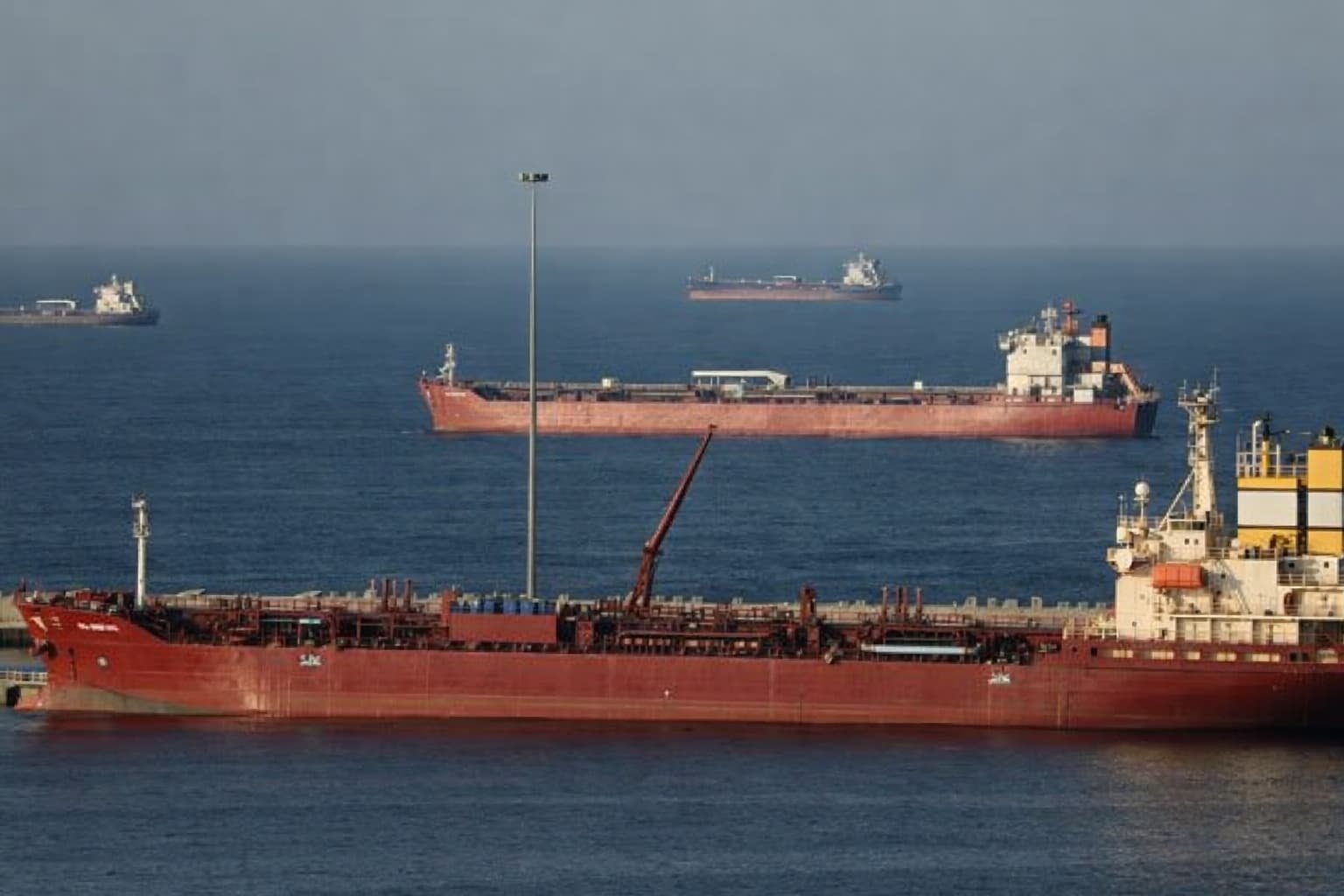
- Iran is charging commercial vessels up to $2 million per voyage to transit the Strait of Hormuz, Bloomberg reported Tuesday — effectively turning the world’s most critical energy waterway into a toll road
- Some vessels have already paid, according to sources familiar with the transactions — meaning Iran has found a way to profit from the Strait even as U.S. and Israeli bombs continue falling on its territory
- Wall Street fell Tuesday as the Iran toll news erased Monday’s ceasefire rally — with the Dow, S&P 500, Nasdaq, and Russell 2000 all declining as Gulf state involvement in the conflict deepened
The Iran war is entering a new and distinctly more complicated economic phase. After 25 days of attempting to close the Strait of Hormuz entirely, Iran has pivoted to something potentially more sustainable — and more lucrative. Tehran is now demanding transit fees of up to $2 million per voyage from commercial vessels seeking to pass through the waterway, according to Bloomberg, which cited people familiar with the matter who requested anonymity.
The payments are being sought on an ad hoc basis — meaning there is no formal tariff schedule, no published rate, and no official Iranian government acknowledgment. Instead, ship operators are receiving informal demands through intermediaries. And critically, some have paid.
Why This Changes the Calculus
The shift from blockade to toll has profound implications — for energy markets, for the U.S. military strategy, and for the ceasefire negotiations now underway between Vance, Rubio, and Iranian intermediaries.
| Scenario | Oil Market Impact |
|---|---|
| Full Strait closure | Maximum disruption — $118+ oil |
| Strait toll at $2M per vessel | Partial flow — prices stabilize above $100 |
| Strait fully reopened | Rapid price drop toward $80-85 |
| Ceasefire with Strait reopening | Gas prices back to low $3s within weeks |
A $2 million transit fee on a supertanker carrying 2 million barrels of crude adds approximately $1 per barrel to the cost of that cargo — modest in the context of $100+ oil, but meaningful as a sustained revenue stream for a country whose economy has been devastated by 25 days of bombing. Iran, in other words, may have found a way to keep the lights on — literally and financially — while appearing to negotiate a ceasefire.
Markets Reversed Tuesday’s Gains
Wall Street, which had surged on Monday after Trump announced “productive talks” with Iran, gave back most of those gains Tuesday as the reality of the conflict’s complexity reasserted itself.
All four major U.S. indices fell. Salesforce dropped 4.06%. IBM fell 3.37%. Microsoft shed 2.12%. The technology sector — which had led Monday’s rally on hopes that a ceasefire would stabilize the energy costs hitting corporate supply chains — led Tuesday’s decline for the same reason in reverse.
Vanguard’s global chief economist Joe Davis captured the market’s dilemma with unusual clarity. The Federal Reserve’s decision to hold rates steady last week, he said, is emblematic of the tensions in the U.S. economy and financial markets. He cited rising oil prices — which were not part of Vanguard’s original 2026 forecast — as the factor most likely to push inflation higher. His warning was blunt: if oil breaches $150 a barrel and stays there, the result would be markedly weaker economic activity, much higher inflation, and a Federal Reserve in an even trickier spot than it currently occupies.
Gulf States Now Directly Involved
Tuesday’s market decline was compounded by reports that several Gulf states are now actively involving themselves in the conflict beyond the defensive posture they had maintained since February 28 — a development that TheStreet’s market analysts said was directly diminishing hopes for a near-term negotiated resolution.
The Philippines declared a state of national emergency over the Iran war Tuesday — a stark reminder of how far beyond the Middle East this conflict’s economic shockwaves have traveled. The Philippines imports nearly all of its energy. The Strait of Hormuz is not an abstraction for Manila. It is the difference between keeping the lights on and rolling blackouts.
What Iran’s Toll Means For American Consumers
The $2 million transit fee story matters to American consumers for one straightforward reason: it means the Strait of Hormuz is not fully closed — but it is not fully open either. The partial flow of oil at elevated transit costs keeps global supply tight enough to hold prices above $100, while preventing the catastrophic supply collapse that would push oil toward $150 or beyond.
For American drivers, the national average gas price stood at $3.98 per gallon Tuesday — essentially unchanged from Monday. The ceasefire optimism that briefly pushed oil below $100 Monday has evaporated. Until the Strait fully reopens without toll or threat, $4 gas is where America is going to live.
What Comes Next
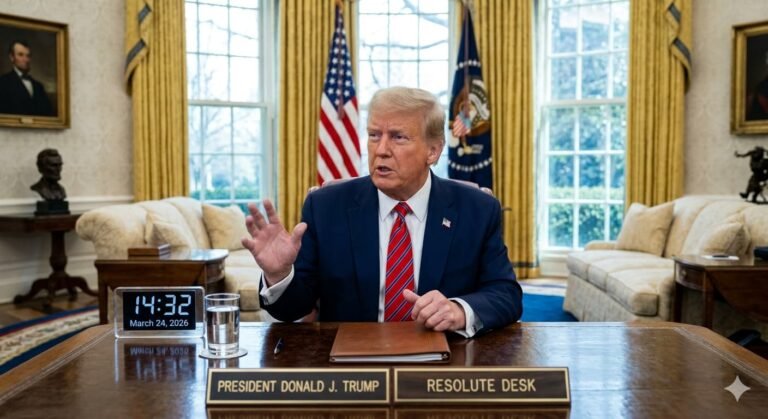
The five-day deadline Trump set Monday — during which he agreed to hold off strikes on Iranian power plants — expires Friday. Vance and Rubio are leading negotiations. Iran’s foreign ministry officially denies any dialogue is taking place, even as Iranian sources tell CNN that Tehran is willing to listen to “sustainable” proposals. The 15-point peace plan the U.S. sent through Pakistan is reportedly being reviewed in Tehran.
Friday is the next inflection point. If talks produce a framework by then — even a preliminary one — oil could drop sharply and gas prices could begin their retreat. If they don’t, the five-day pause expires, and the question of whether to strike Iranian power plants returns to Trump’s desk.
The Strait of Hormuz has been a chokepoint for the world’s energy supply for decades. For the next 72 hours, it is also the chokepoint for the Iran war’s diplomatic future.