
By Harshit
Washington, D.C. | November 20, 2025 | 12:40 AM EDT
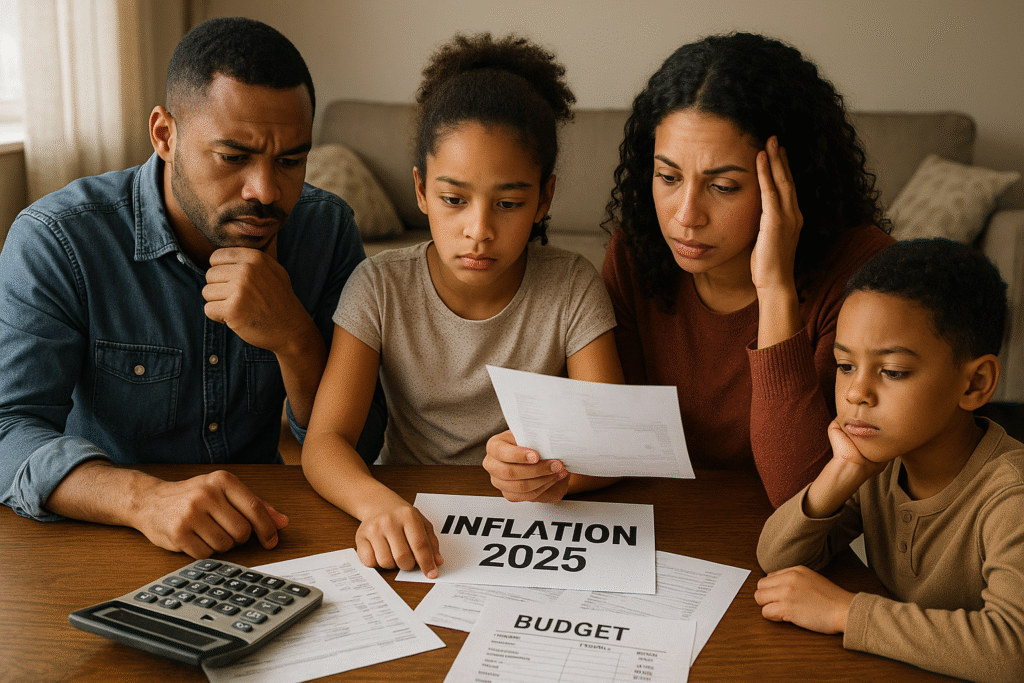
Inflation has been one of the most powerful forces shaping the everyday lives of Americans over the past four years. Even though inflation has cooled significantly compared to the record highs of 2021 and 2022, prices remain elevated across the economy, and many households continue to feel financial pressure. As the United States moves deeper into 2025 and prepares for 2026, understanding how inflation affects daily life is more important than ever.
This in-depth guide breaks down what inflation truly means for ordinary Americans, why prices remain sticky, and how different groups feel the impact in different ways.
What Inflation Really Means in the U.S. Economy
Inflation is the rate at which the prices of goods and services increase over time. When inflation rises quickly, the purchasing power of the dollar falls — meaning families pay more for the same groceries, rent, utilities, and transportation.
Even if monthly inflation slows, it doesn’t mean prices return to where they were before. It only means prices are rising more slowly. The price increases of the last four years are still baked into the system.
For example:
- If groceries increased 12% in one year and 4% the next, prices are now 16% higher, not 4% higher.
- Rent increases compound as well.
- Utility bills, medical costs, and car insurance rarely go back down.
This cumulative effect is why inflation still feels painful in 2025, even though official inflation rates are now lower than previous years.
Why Inflation Remains High for Americans
Several factors continue to drive higher prices nationwide:
1. Housing costs are still rising
The cost of buying or renting a home remains the single biggest pressure point. Home prices soared between 2020 and 2023 due to limited supply, high building costs, and intense demand. Even as the housing market cools slightly in 2025, affordability remains historically low.
2. Food prices are still elevated
Grocery inflation slowed, but the price levels remain significantly higher than before. Meat, eggs, bread, vegetables, and packaged foods all cost more due to supply chain issues, transportation costs, and higher wages in the food industry.
3. Car insurance premiums jumped sharply
Insurance costs rose by double digits because of:
- higher repair costs
- increased accident rates
- higher vehicle prices
- more expensive parts and labor
For many families, insurance is now a major monthly expense.
4. Medical and dental costs continue increasing
Healthcare inflation is slower but steady:
- doctor visits
- prescription drugs
- insurance premiums
- outpatient procedures
These seldom decrease in price once they rise.
5. Energy and utility bills fluctuate but remain high
Electricity and natural gas costs climbed after supply disruptions, higher infrastructure costs, and seasonal spikes. Many utility companies also increased rates to cover upgrades to aging grids.
How Different Americans Feel Inflation in 2025
Inflation does not impact everyone equally. Several groups feel the pressure more than others.
Middle-Class Families
Middle-income earners face the strongest squeeze because:
- wages grew slower than prices
- rent, childcare, groceries, and insurance all went up
- debt payments increased due to high interest rates
Even families earning $80,000–$150,000 report feeling “tight” budgets in 2025.
Low-Income Americans
Lower-income households spend a larger share of income on essentials:
- food
- rent
- fuel
- utilities
Even small price increases hit harder. Government assistance helps, but inflation often outpaces benefits.
Retirees
Fixed-income retirees feel inflation deeply because:
- savings lose purchasing power
- medical and drug costs rise
- Social Security increases don’t always keep up
Unexpected expenses, like home repairs or car troubles, now cost much more than before.
Young Adults
Younger Americans struggle with:
- rising rents
- high starter home prices
- student loan repayments
- expensive car insurance
- higher interest rates on credit cards
Starting adult life has become costlier than for previous generations.
Where Inflation Hits the Hardest in 2025–2026
Based on real economic trends, these are the categories causing the most stress:
1. Housing
Home prices remain high nationwide. Rent inflation slowed but is still elevated in major cities such as:
- New York
- Miami
- Dallas
- Los Angeles
- Seattle
- Chicago
Limited housing supply keeps rents from falling.
2. Groceries
Food inflation slowed but did not reverse. Items that remain expensive include:
- chicken
- bread
- dairy alternatives
- fresh produce
- snacks and packaged food
- cooking oil
Consumers are shifting to store brands and bulk purchases.
3. Insurance
Car insurance is at a 20-year high due to:
- costlier vehicle repairs
- extreme weather damage
- increased accident severity
Homeowner insurance is also rising due to climate risks.
4. Credit Cards
Interest rates remain high as the Federal Reserve holds its benchmark rates.
This means:
- credit card APRs remain above 20%
- minimum payments cost more
- carrying a balance is more expensive
Americans hit the highest credit card debt levels in history.
5. Transportation
Car prices remain elevated compared to pre-pandemic levels.
Even used cars are expensive, although prices cooled slightly in 2024–2025.
Gasoline prices fluctuate but remain above long-term averages in many states.
How Americans Are Adapting to Inflation
Despite the financial pressure, many Americans are developing new habits to cope.
1. Switching to store brands
Supermarkets report record levels of private-label sales.
2. Delaying big purchases
Cars, electronics, and home renovations are often postponed.
3. Spending more time searching for deals
Online price comparison is higher than ever.
4. Staying in rentals longer
Fewer families are jumping into the expensive housing market.
5. Cutting subscriptions
Streaming and digital service cancellations increased through 2024–2025.
6. Increasing side income
Many Americans are turning to gig work, freelancing, or part-time work.
What Could Happen Heading Into 2026
Based on the overall economic environment:
- Prices will likely remain elevated even if inflation slows.
- Housing affordability will remain one of the biggest challenges.
- Interest rates may ease slowly, but borrowing costs will stay high.
- Wages will continue to grow but may not match cumulative price increases.
In short: inflation is cooling, but not reversing.
The new price levels are now the “normal baseline” for 2025–2026.
What Americans Can Do to Protect Themselves
Here are practical steps that genuinely help:
1. Pay down high-interest debt first
Especially credit cards and personal loans.
2. Build a small emergency fund
Even $500–$1,000 helps during price shocks.
3. Compare insurance rates
Many families save hundreds by switching providers.
4. Buy groceries strategically
Store brands, bulk items, and weekly deals reduce costs.
5. Avoid taking new loans unless necessary
High rates make borrowing expensive.
6. Track monthly spending
Knowing where money goes helps fight financial stress.
The Bottom Line
Inflation has reshaped the financial reality of millions of Americans, and even though the overall pace of price increases has slowed, the effects are deeply felt. From housing to groceries to insurance, the cost of living remains higher than at any point in decades.
Understanding how inflation works — and how to adapt — is now essential for every U.S. household. As the nation moves toward 2026, inflation will remain a defining economic challenge, and Americans will continue to adjust their spending, saving, and long-term financial decisions accordingly.