
By Harshit, NEW YORK, Oct. 30, 2025
More than 15 million Americans are now using GLP-1 drugs such as Ozempic, Wegovy, and Mounjaro to lose weight — a phenomenon reshaping the nation’s health and fitness culture. Originally designed to treat type 2 diabetes, these medications have shown powerful effects in promoting weight loss. However, doctors warn that the rapid fat reduction can come with a lesser-known cost: the loss of lean muscle mass.
A Rapid Rise in GLP-1 Use
A 2023 study found that GLP-1 drugs deliver “superior weight-loss results with relatively low risk,” fueling their popularity across the United States. Yet, as more people turn to these medications, medical experts are urging caution.
According to studies, between 15% and 60% of the weight lost while on GLP-1s can be lean muscle mass. This means that someone shedding 50 pounds could lose 7.5 to 30 pounds of muscle, a decline that affects strength, balance, and overall metabolism.
“Many patients underestimate their weakness while using these drugs until they notice it functionally — like struggling to climb stairs,” said Dr. Peter Wenger, clinical assistant professor at Rutgers New Jersey Medical School and a sports medicine physician in Lawrenceville, New Jersey.
Why Strength Training Is Essential
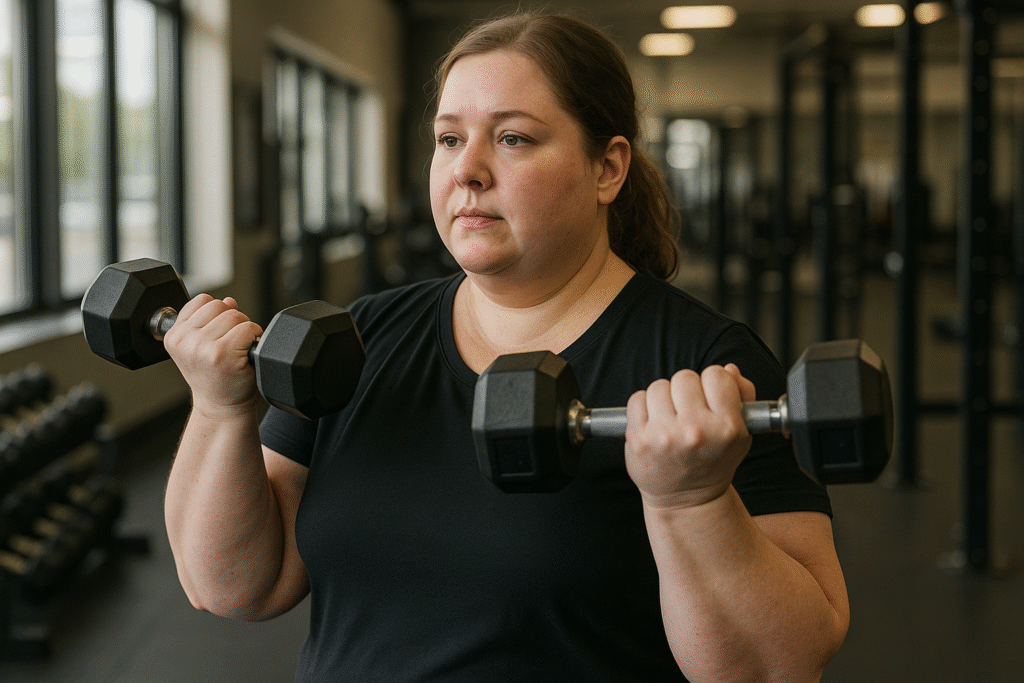
Doctors emphasize that combining GLP-1 therapy with regular strength training is crucial to preserve physical independence and prevent bone weakness. Strong muscles are not only key to daily function but also essential for maintaining long-term metabolic health.
This concern is especially serious for adults aged 65 and older, who are already vulnerable to sarcopenia, the natural age-related decline in muscle mass and strength.
“If those people lose even 10% to 15% of lean mass, it’s significant,” said Dr. Viral Shah, endocrinologist and director of diabetes clinical research at Indiana University’s Center for Diabetes and Metabolic Diseases. “They start with lower muscle mass, so any further loss can impact daily living.”
However, Wenger warns that even younger adults on GLP-1s are not immune. “Even when you’re relatively young, you can feel much older because of how fast muscle loss happens on these drugs,” he said.
Building Muscle Safely on GLP-1 Medication
People on GLP-1s often experience reduced appetite, nausea, and fatigue, particularly during the dose adjustment phase. For this reason, experts recommend starting workouts slowly and building intensity over time.
“We suggest shorter, lower-intensity sessions to accommodate fatigue or nausea,” Wenger explained. “Complex movements like squats and deadlifts are better than machines because they teach coordination and engage multiple muscle groups.”
Ideally, patients should follow a customized workout plan, but Shah recommends a general schedule: three resistance-training sessions and three aerobic workouts per week.
“Even low-level movement like walking or cycling helps energy and recovery,” added Stan Ward, senior personal training manager at Equinox Fitness in Plano, Texas. “And don’t overlook sleep — it’s a big factor in muscle recovery.”
The Protein Factor
Adequate protein intake is another cornerstone of maintaining muscle on GLP-1 therapy. Shah advises patients to consume 1–1.2 grams of protein per kilogram of body weight daily.
For example, someone weighing 150 pounds (68 kg) should aim for 68 to 82 grams of protein per day.
Timing also matters. Because GLP-1s slow digestion, Wenger recommends eating one to two hours before workouts and refueling within 30 to 60 minutes afterward.
“If your appetite is low, go for liquid options like smoothies or shakes,” he said. “Even small snacks like Greek yogurt with fruit or chocolate milk can help muscle recovery.”
Exercise: The Long-Term Key
Though research on exercise and GLP-1 drugs is still developing, doctors agree on one thing — strength training benefits everyone, regardless of age or medication use.
“We still don’t have enough data to say exactly which exercise plan gives the best results,” Shah admitted. “But the evidence clearly shows that muscle mass is directly tied to health, longevity, and metabolic efficiency.”
Ward agreed, emphasizing the lasting benefits: “If you build muscle, you burn more calories even at rest. It’s one of the most powerful things you can do for your health.”
“Exercise may seem like extra work when the drug is doing so much,” Ward said. “But in reality, it helps you preserve the body you’ve worked so hard to achieve.”