
RIVERHEAD, N.Y., APRIL 10, 2026 —
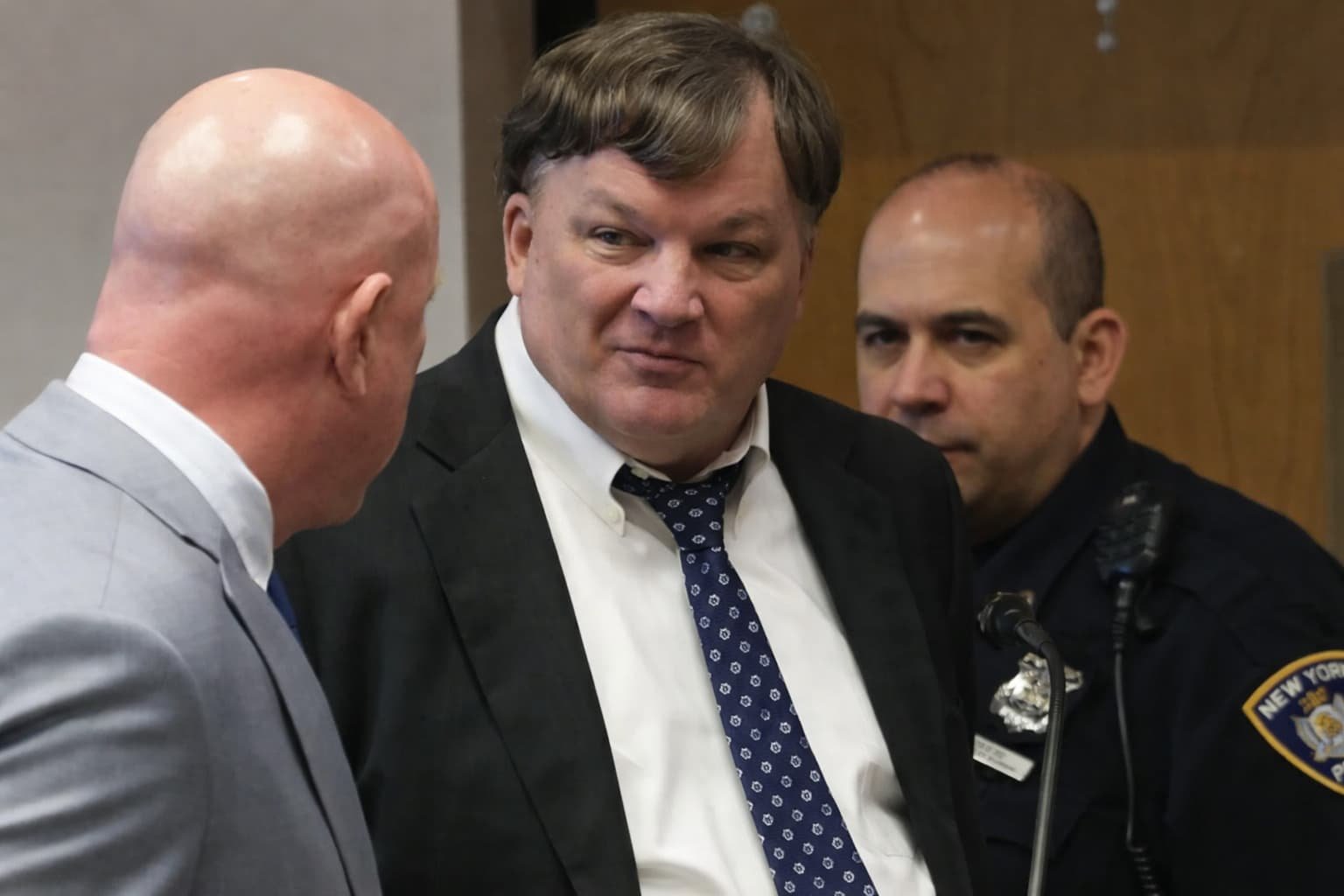
In a packed Suffolk County courtroom on Wednesday, Rex Heuermann — the Long Island architect who spent 17 years killing women and dumping their bodies near Gilgo Beach while posing as a suburban family man — stood before a judge and said “guilty” seven times in a row. He also admitted to killing an eighth victim. More than three decades after his first murder in 1993, one of the most chilling cold cases in American history reached its end.
Heuermann, 62, pleaded guilty to three counts of first-degree murder and four counts of second-degree murder — acknowledging he strangled each of his victims, bound some in burlap, and discarded their remains across Long Island. As part of the plea deal, he also admitted killing Karen Vergata — a woman whose 1996 death had gone unsolved and uncharged — bringing the total number of victims he acknowledged to eight.
He will be sentenced on June 17 and faces life in prison without the possibility of parole. As part of his plea, Heuermann agreed to cooperate fully with the FBI’s behavioral analysis unit to help investigators catch other serial killers.
The Eight Victims
| Victim | Year Killed | Where Found |
|---|---|---|
| Sandra Costilla | 1993 | Southampton, Long Island |
| Karen Vergata | 1996 | Fire Island / Near Gilgo Beach |
| Maureen Brainard-Barnes | 2007 | Ocean Parkway, Gilgo Beach |
| Melissa Barthelemy | 2009 | Ocean Parkway, Gilgo Beach |
| Megan Waterman | 2010 | Ocean Parkway, Gilgo Beach |
| Amber Costello | 2010 | Ocean Parkway, Gilgo Beach |
| Jessica Taylor | 2003 | Manorville, Long Island |
| Valerie Mack | 2000 | Ocean Parkway, Gilgo Beach |
How He Was Caught — The Pizza Crust That Changed Everything
The Gilgo Beach killings went unsolved for over a decade after remains were first discovered along Ocean Parkway in 2010. The investigation stalled for years — victims’ families later said investigators initially failed to treat their missing loved ones with urgency because the women were sex workers, an allegation that haunts the case to this day.
The break came in 2022 when investigators used a vehicle registration database to connect a distinctive Chevy Avalanche seen near one of the disappearances to Heuermann — a busy Manhattan architect who commuted daily from Massapequa Park with his wife and children. A surveillance team then tracked him in midtown Manhattan as he discarded a half-eaten box of pizza into a sidewalk trash can. Investigators rushed to retrieve it. DNA from a hair on the pizza crust matched DNA found on the burlap used to wrap victims’ bodies. Heuermann was arrested in July 2023.
He had been living a double life for nearly three decades — attending his children’s school events, managing his architecture firm, and appearing as, in the words of Suffolk County DA Ray Tierney, “the harmless father next door.” Tierney told victims’ families gathered at a news conference: “He thought that by killing them, he could silence them forever and get away with murder. But he was wrong — because it was these victims, these women, who refused to stay silent.”
In the Courtroom
The gallery was packed with families of the victims, law enforcement, and reporters. As Judge Timothy Mazzei asked Heuermann about each murder one by one, families could be heard gasping and crying. Heuermann spoke calmly throughout, confirming cause of death with a single word each time: “Strangulation.”
His estranged wife Asa Ellerup and daughter Victoria sat together clutching tissues. Ellerup had no knowledge of or involvement in the killings, her lawyer confirmed.
Elizabeth Baczkiel, the mother of victim Jessica Taylor who was 20 years old when she disappeared in 2003: “I am glad that this is over. It took a big chunk of stress off of me and my family.”
Melissa Cann, sister of victim Maureen Brainard-Barnes: “This has been a long journey of hope — hope that one day we would stand here and say her name with justice beside it. Today, that long, painful journey brings us to this moment.”