
WASHINGTON, MARCH 21, 2026 —
What You Need To Know
- Gas prices are closing in on $4 per gallon nationally — up from $2.98 just eight weeks ago — as the Iran war drives the steepest energy price surge since 2022
- The Trump administration has now deployed every standard policy tool available to lower oil prices — and senior officials privately admit none of them are working fast enough
- Stanford economists estimate the typical American household will pay $740 more for gas this year — a tax on everyday life that no administration can easily offset
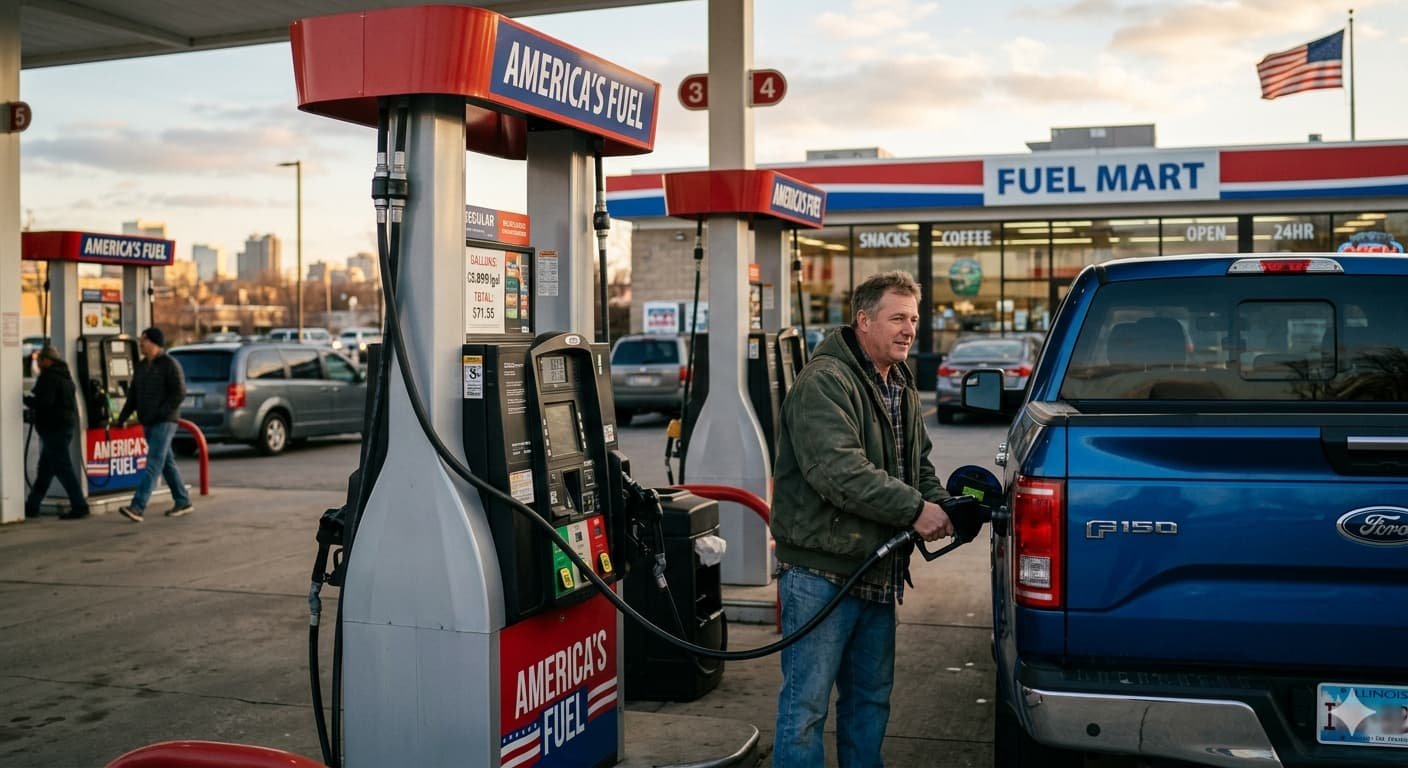
Eight weeks ago, American drivers were paying an average of $2.98 per gallon at the pump. On Friday, the national average is closing in on $4. The difference between those two numbers — roughly $1 per gallon in seven weeks — is the most direct way most Americans will experience the cost of the U.S.-Israel war on Iran. And the administration that launched the war is now quietly acknowledging it cannot make those prices come down quickly.
Senior Trump administration officials told CNN on Friday that the higher energy prices triggered by the conflict could linger for months — even if the fighting stopped today. That private admission stands in sharp contrast to the public confidence the White House projected in the war’s first week, when officials suggested the Strait of Hormuz would reopen quickly and oil markets would stabilize.
The Numbers Behind the Pain
| Energy Metric | Before War (Feb 28) | Today (March 21) | Change |
|---|---|---|---|
| Brent crude oil | ~$72/barrel | $110+/barrel | +53% |
| National gas average | $2.98/gallon | ~$3.95/gallon | +32% |
| U.S. household gas cost 2026 | Baseline | +$740 estimated | Stanford economists |
| Consumer spending impact | Baseline | -$1.5B per penny rise | Economic research |
| Strait of Hormuz traffic | Normal | Nearly halted | 20% of world oil supply |
The math compounds quickly. Every one-cent increase in gasoline prices reduces consumer spending across the entire economy by $1.5 billion annually — meaning the roughly 97-cent-per-gallon increase since the war began has already removed an estimated $145 billion in annual consumer spending power from the American economy. That figure will grow as the full oil shock continues working its way through supply chains, trucking costs, airline fuel surcharges, and grocery prices.
Every Lever Has Been Pulled — None Are Working Fast Enough
The Trump administration has deployed what amounts to the complete standard playbook for responding to an oil supply shock — and is running out of pages.
The Strategic Petroleum Reserve release is underway — but the SPR takes time to move barrels to market, and the volume available is limited after years of drawdowns. The Jones Act — the law requiring domestic shipping between U.S. ports to use American-flagged vessels — has been waived to allow more flexible oil movement between U.S. refineries. Sanctions on Russian crude oil have been eased to make additional barrels available to global markets. And on Friday, in a move that would have seemed unthinkable three weeks ago, the administration announced it is temporarily lifting sanctions on Iranian oil stranded at sea — allowing the country it is actively bombing to sell more of its oil internationally through April 19.
National security analyst Beth Sanner, a former deputy director of national intelligence, assessed those moves bluntly on CNN Friday: none of them will significantly increase the number of barrels on the market fast enough to matter. “That is not going to increase the number of barrels, really, on the market,” she said of the Iranian oil waiver. “And so it won’t significantly lower the price, and it’s not enough.”
The Strait of Hormuz — Still the Only Number That Matters
Every policy lever the administration has pulled is a workaround for the one problem it cannot work around: the Strait of Hormuz is effectively closed. The narrow waterway through which approximately 20% of the world’s seaborne oil normally flows has seen near-total traffic disruption since the war began. While one tanker successfully transited the strait under its AIS tracking signal last week, the broader shipping lane remains a war zone. More than 20 commercial vessels have been attacked in and around the Gulf since February 28.
The world had been oversupplied with oil in February — a cushion that briefly kept prices from spiking faster. That cushion is now gone. The amount of oil stored at sea is falling rapidly, and the supply buffer that absorbed the war’s early shock has been depleted. From this point forward, every week the Strait of Hormuz remains blocked translates more directly into higher prices at American pumps.
What $4 Gas Actually Means For American Families
The political and economic consequences of sustained $4 gasoline extend well beyond the pump. Higher fuel costs flow directly into the price of everything transported by truck — which, in the U.S. economy, is nearly everything. Grocery prices, which had been slowly moderating after the post-pandemic inflation surge, are expected to accelerate again. Airline ticket prices are rising as jet fuel costs increase. Delivery surcharges are appearing on restaurant and retail orders.
For the roughly 40% of American workers who commute by car and earn less than $50,000 per year, a $1 per gallon increase in gas prices represents a meaningful reduction in real take-home pay. There is no tax cut, no benefit program, and no policy announcement that offsets that cost in real time.
The Bottom Line
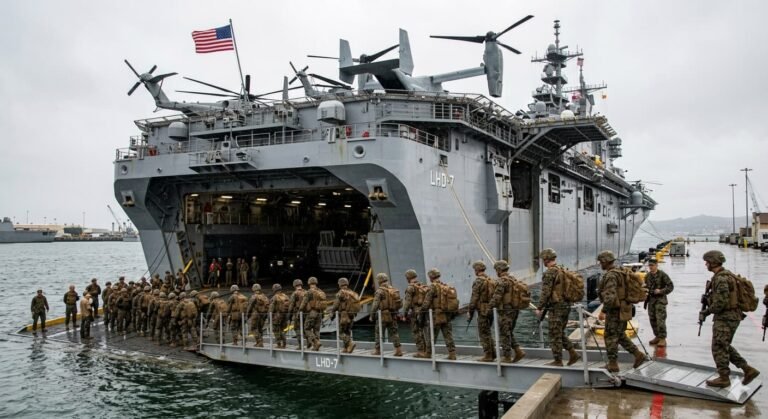
The Trump administration launched Operation Epic Fury three weeks ago. The military objectives — destroying Iran’s missile program, eliminating its nuclear capability, weakening its proxy network — remain works in progress. The economic consequences are already fully arrived: oil above $110, gas near $4, household budgets squeezed by $740 per year, and a White House that privately admits the pain has no quick fix.
The war may wind down. The energy prices it created may take considerably longer.