
By Harshit, NEW YORK, NOV. 5
Across the United States, conversations about health are often dominated by numbers — the size of one’s waist, the digits on the scale, or the calorie count on a label. This focus is not accidental. With more than 40% of American adults living with obesity, body weight has become a national fixation. Add to that a multi-billion-dollar weight loss industry and the recent surge of GLP-1 weight-loss medications, and it is easy to see how weight has become the primary metric through which many Americans judge their health.
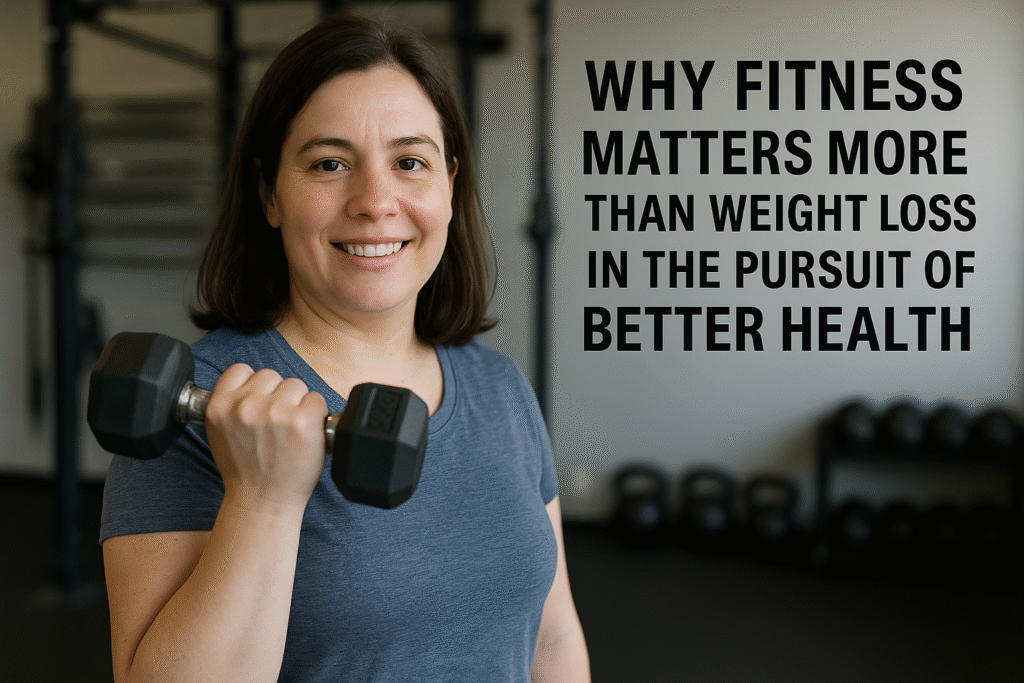
Yet, health experts and long-term research are increasingly pointing toward a different, more sustainable truth: improving fitness levels has a far greater impact on long-term health than losing weight alone. In fact, pursuing weight loss without considering overall well-being often leads to more harm than benefit.
This shift in understanding challenges decades of cultural messaging that equates thinness with health and larger bodies with illness. The evidence now shows: you can improve your health even if your weight does not change — and you can be thin and still unhealthy.
The Culture of Dieting — and Why It Fails
The U.S. weight loss market is enormous, valued at over $140 billion in 2022 and expected to nearly double by 2030. But there is a significant flaw in its foundation: most diets do not work in the long term. While many people experience short-term success, the majority regain the weight within two to five years.
This is not due to lack of discipline or motivation. It is a biological response.
When calorie intake drops below the body’s needs, the brain interprets this as a threat. To protect itself, the body:
- Slows metabolism
- Increases hunger signals
- Intensifies cravings for high-energy foods
- Reduces energy and emotional stability
This survival response can make dieting feel like a constant battle — one that the body is designed to win. Over time, restrictive dieting can lead to yo-yo weight cycling, which research links to an increased risk of:
- Heart disease
- Insulin resistance
- High blood pressure
- Inflammation
- Depression
- Fatigue and burnout
Despite this, many people blame themselves instead of the cycle itself — and restart the same process, often with harsher restrictions.
Why Weight Is Not Just About Food and Willpower
Weight is influenced by far more than diet and exercise. Genetics, hormones, sleep patterns, gut microbiome health, stress levels, early childhood experiences, and socioeconomic environment all play major roles. Even chemicals found in food packaging and household items — known as PFAS “forever chemicals” — may disrupt hormones involved in appetite and fat storage.
Some infections have been linked to metabolic dysfunction that can contribute to weight gain as well. The picture is far more complex than “eat less, move more.”
This means two people can eat the same meals and exercise the same amount, yet have very different body shapes — and neither is at fault.
Fitness: The Health Marker That Matters Most
While weight loss is unpredictable, fitness is something the body responds to consistently. Improving physical activity levels — even modestly — results in measurable improvements across nearly every body system.
Regular movement:
| Benefit | Impact |
|---|---|
| Heart Health | Stronger heart function, lower blood pressure |
| Mental Health | Reduced anxiety, depression, and stress hormones |
| Metabolism | Better insulin sensitivity and blood sugar control |
| Longevity | Lower risk of early mortality |
| Immune Function | Improved resilience and recovery |
| Muscle & Bone Strength | Reduced injury risk and improved mobility |
| Sleep | Deeper, more restorative rest |
And importantly:
These benefits occur whether or not a person loses weight.
Someone in a larger body who exercises regularly may be healthier — metabolically and cardiovascularly — than someone thin who is sedentary.
This breaks the cultural myth that body size equals health.
A More Sustainable Way to Care for the Body
Rather than punishing the body to shrink it, a healthier approach is to nourish and move it consistently.
Move in ways that feel good:
- Brisk walking
- Cycling
- Swimming
- Dancing
- Hiking
- Yoga or stretching
- Strength training with light weights or body weight
- Gardening and outdoor tasks
Even 10–20 minutes a day can begin improving cardiovascular function and mood.
Eat with nourishment in mind:
- More fruits and vegetables
- Lean proteins and whole grains
- Less ultraprocessed food
- Meals eaten slowly and without guilt
This approach supports mental clarity, physical stability, and emotional resilience — without obsessing over scales or perfection.
A Cultural Shift from Appearance to Well-Being
American culture often encourages people to become smaller — to take up less space. But long-term well-being isn’t found in shrinking; it’s found in strength, connection, stability, and presence.
Health should not be defined by how a body looks, but by how a body lives.
- Can you walk up stairs without exhaustion?
- Can you manage stress without breaking down?
- Do you sleep well and wake up with energy?
- Do you feel grounded, stable, and emotionally balanced?
These are the real health markers.
And none of them depend on weight loss.
The goal is not to have the smallest body —
The goal is to have the strongest, healthiest, most capable life.