
By Harshit
WASHINGTON, DECEMBER 16 —
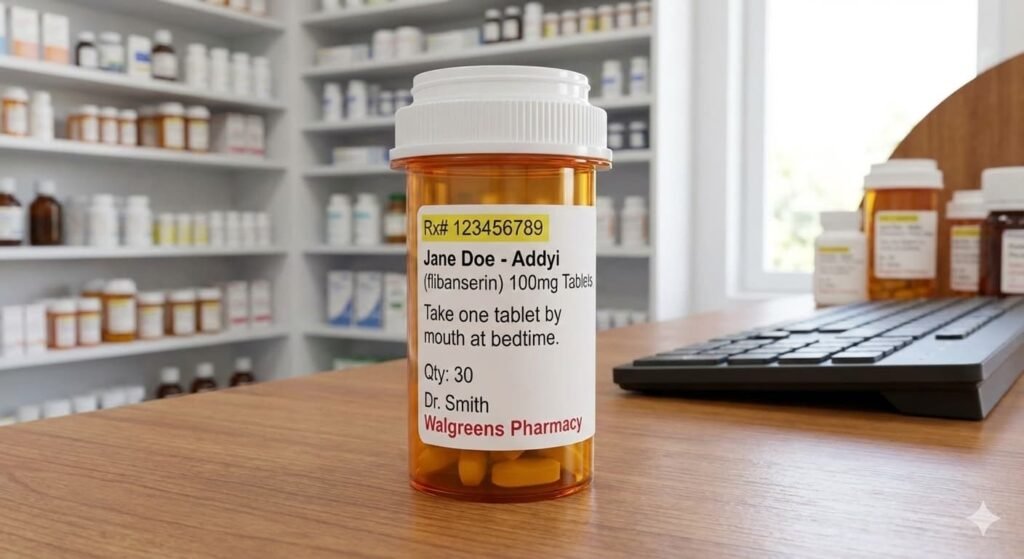
U.S. health regulators have expanded the approval of Addyi, a much-debated prescription drug intended to boost female sexual desire, allowing its use in women over the age of 65 for the first time. The decision by the Food and Drug Administration (FDA) broadens access to the once-daily pill for postmenopausal women, reopening long-standing debates over how female sexual health is defined, diagnosed, and treated.
Addyi, developed by Sprout Pharmaceuticals, was first approved in 2015 for premenopausal women diagnosed with hypoactive sexual desire disorder (HSDD) who experience distress related to low libido. With Monday’s update, the FDA has extended its indication to include older women who have gone through menopause, marking the most significant regulatory expansion for the drug since its original approval a decade ago.
A Long and Controversial Regulatory History
Addyi’s path to market was unusually contentious. The FDA rejected the drug twice before approving it, citing concerns over its limited effectiveness and safety profile. Clinical trials showed that women taking Addyi experienced, on average, only a modest increase in satisfying sexual events per month compared with placebo. Regulators were also troubled by side effects such as dizziness, nausea, and fatigue.
Most notably, the drug carries a boxed warning — the FDA’s strongest safety alert — cautioning against alcohol consumption while taking Addyi. Combining the drug with alcohol can cause severe drops in blood pressure and fainting, a risk that has remained central to criticism of the medication.
Despite these concerns, Addyi’s approval followed a high-profile lobbying effort led by Sprout Pharmaceuticals and advocacy groups such as “Even the Score,” which framed the lack of treatment options for female sexual dysfunction as an issue of gender equity in medicine. Supporters argued that while men had access to multiple FDA-approved drugs for sexual dysfunction, women had none.
Limited Commercial Success
Initially touted as a potential blockbuster, Addyi never lived up to sales expectations. Its daily dosing requirement, modest benefits, strict alcohol restrictions, and side-effect profile limited uptake among both patients and physicians.
In 2019, the FDA approved a second treatment for low female libido: an on-demand injectable drug administered before sexual activity. That medication works on different neurological pathways than Addyi, but it also has seen limited adoption, underscoring the complexity of treating sexual desire disorders in women.
Addyi works by altering levels of neurotransmitters in the brain, including serotonin and dopamine, which influence mood, appetite, and sexual motivation. Unlike Viagra and similar drugs for men, which act on blood flow and are taken as needed, Addyi is intended for daily use and targets desire rather than physical arousal.
Expanding Use to Older Women
Sprout Pharmaceuticals said the FDA’s decision reflects years of additional data and engagement with regulators. In a statement, CEO Cindy Eckert described the expanded approval as the result of “a decade of persistent work with the FDA to fundamentally change how women’s sexual health is understood and prioritized.”
The company emphasized that sexual desire concerns do not disappear after menopause and that older women should not be excluded from treatment options solely based on age.
However, medical experts note that libido changes later in life are often influenced by a complex mix of hormonal shifts, chronic health conditions, medication use, relationship dynamics, and mental health factors. As a result, prescribing Addyi requires careful evaluation.
A Diagnosis Still Under Debate
Hypoactive sexual desire disorder has been recognized in medical literature since the 1990s and is believed to affect a substantial number of women in the United States. Surveys suggest that many women experience distress related to low sexual desire at some point in their lives.
Yet the diagnosis remains controversial. Critics argue that labeling low libido as a medical disorder risks pathologizing normal variations in sexual interest, particularly during and after menopause. Some psychologists and women’s health advocates contend that social, emotional, and relational factors are often more significant drivers of sexual desire than biology alone.
Medical guidelines require physicians to rule out other causes before diagnosing HSDD, including depression, anxiety, relationship problems, hormonal disorders, and side effects from other medications. The FDA has repeatedly emphasized that Addyi is not intended to treat sexual difficulties caused by these factors.
Safety Concerns Remain Central
Despite the expanded approval, Addyi’s safety warnings remain unchanged. Patients are still advised to avoid alcohol completely while taking the drug, a requirement that many clinicians see as a major barrier to real-world use, particularly among older adults who may already be managing multiple medications.
The FDA has not indicated that it plans to revisit the boxed warning, underscoring that concerns about low blood pressure and fainting remain unresolved.
Broader Implications for Women’s Health
The FDA’s decision highlights the evolving conversation around women’s sexual health and aging. As life expectancy increases and discussions around quality of life gain prominence, regulators and drugmakers alike are facing pressure to address health issues that extend beyond traditional disease models.
At the same time, Addyi’s history illustrates the challenges of translating complex human experiences — such as sexual desire — into pharmaceutical solutions. Whether the expanded approval will meaningfully change prescribing patterns or patient outcomes remains uncertain.
For now, the FDA’s move signals a willingness to reconsider age boundaries in women’s health treatments, even as questions about effectiveness, safety, and the medicalization of libido continue to divide experts.