
NEW YORK, APRIL 9, 2026 —
Key Takeaways
- The Dow Jones Industrial Average surged 1,325 points — its best single-day gain in over a year — after the US-Iran ceasefire was announced Tuesday evening, with the S&P 500 up 2.51% and the Nasdaq gaining 2.8%
- Global markets joined the rally: Japan’s Nikkei gained 5.4%, South Korea’s Kospi surged 6.9%, and Germany’s DAX soared 5% — with markets from Seoul to Paris posting their best sessions in months
- Despite the euphoria, analysts warn the rally may be getting ahead of the ceasefire’s fragility — oil is still 41% above pre-war levels, the ceasefire has conditions attached, and the underlying economic damage from six weeks of war will take months to fully reverse
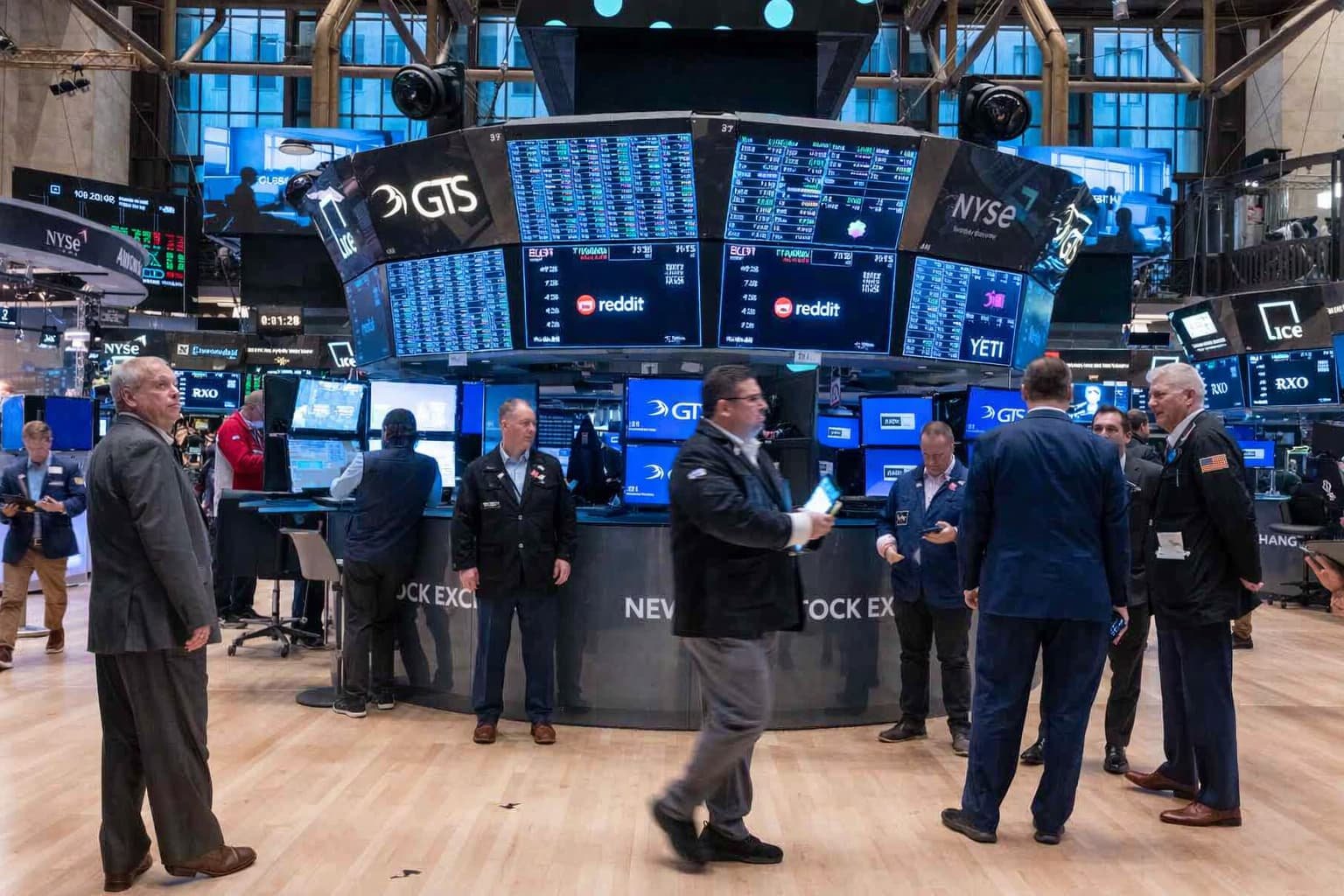
Wall Street had its best day in over a year on Wednesday. The announcement that the United States and Iran had agreed to a two-week ceasefire — ending an acute phase of one of the most disruptive military conflicts for global energy markets since the 1970s oil embargo — sent stocks sharply higher from the opening bell and never looked back.
The Dow’s 1,325-point gain was its largest single-day point increase since April 2025. The S&P 500 closed up 2.51%. The Nasdaq Composite rose 2.8%. The Russell 2000 index of smaller companies surged 2.9% — often a leading indicator of domestic economic confidence, since smaller companies are more sensitive to U.S. consumer spending than large multinationals.
The VIX — Wall Street’s “fear gauge” — dropped 22% in a single session, falling back toward its pre-war level. When the VIX falls, it means options traders are paying less to insure against sudden market declines — a direct signal that perceived risk across the financial system has dropped sharply.
Why Markets Rallied So Hard
The rally reflected two things simultaneously: genuine relief that an escalation that could have triggered a global recession did not happen, and a rapid repricing of assets that had been weighed down by war risk for six weeks.
Energy stocks fell — Exxon, Chevron, and other oil producers dropped as crude prices plunged, since their revenues are directly tied to oil prices. But everything else went up: airlines, retail, consumer discretionary, technology, financials, transportation — all sectors that had been punished by rising energy costs and recession fears.
JPMorgan’s trading desk wrote in a client note Wednesday morning that the S&P 500 could climb even further “as euphoria returns to markets” — and that the market was treating the ceasefire as “a de facto end of the conflict” despite the economic damage still in the pipeline.
Evercore vice chairman Krishna Guha offered a more cautious read: “We are not out of the woods yet. The ceasefire could fall apart. There will still be an initial inflation shock.”
What It Means for Different Types of Investors
If you have a 401(k) or IRA: Wednesday’s rally partially reversed six weeks of war-related losses. If you did not sell during the decline — the right move for long-term investors in most circumstances — your balance recovered meaningfully on Wednesday alone. The S&P 500 is now down only 0.15% since the war began, having recovered most of the war-period losses in a single session.
If you own bonds: Treasury yields fell sharply on Wednesday as investors moved back toward risk assets. The 10-year Treasury yield dropped to 4.2% from 4.4% — a meaningful move that directly translated into lower mortgage rates. The average 30-year mortgage rate fell to 6.38% on Wednesday, down from 6.44% the day before. If the ceasefire holds and yields continue falling, refinancing opportunities may re-emerge for homeowners who locked in rates above 6.5%.
If you own oil stocks: Wednesday was painful. Exxon Mobil fell. Chevron fell. But if you hold broad index funds, the diversification worked exactly as designed — the energy sector’s decline was overwhelmed by gains everywhere else.
If you are thinking about the stock market right now: The rally is real, but it is built on a two-week ceasefire with conditions attached. Peace talks begin Friday in Islamabad. The ceasefire has already been complicated by Israeli strikes in Lebanon that Iran said violated the spirit of the agreement. Markets are pricing in an optimistic scenario. If that scenario does not materialize, the gains could reverse quickly.
Global Market Summary — April 8, 2026
| Market | One-Day Change | Context |
|---|---|---|
| Dow Jones | +1,325 points (+2.85%) | Best day in over a year |
| S&P 500 | +2.51% | Nearly erased all war-period losses |
| Nasdaq Composite | +2.8% | Tech rebound |
| Russell 2000 | +2.9% | Small-cap surge |
| Japan Nikkei 225 | +5.39% | Best day since April 2025 |
| South Korea Kospi | +6.87% | Led Asian gains |
| Germany DAX | +5.06% | Best day since March 2022 |
| France CAC 40 | +4.49% | Multi-month high |
| VIX (fear gauge) | −22% | Back near pre-war level |
| US WTI Crude | −15.4% ($94.41/bbl) | Biggest drop since April 2020 |
| 10-year Treasury yield | 4.2% (down from 4.4%) | Mortgage rate implications |
| 30-year mortgage rate | 6.38% (down from 6.44%) | Slight improvement for buyers |
The Bottom Line
Wednesday’s rally was a relief event, not a recovery event. The market moved because the worst feared scenario — an all-out destruction of Iranian civilian infrastructure followed by a wider regional escalation — did not happen. That is worth celebrating. But the Strait of Hormuz still has 187 tankers waiting to move. Oil is still 41% above pre-war levels. The Fed still cannot cut rates until inflation cools. And the peace talks that begin Friday in Islamabad will determine whether this ceasefire becomes a permanent end to the war or simply another pause in a conflict that has already extended through multiple deadlines.
Invest accordingly: Wednesday’s gain is real, but it was built on a two-week window of diplomacy. What happens in Islamabad will tell you far more about where markets go next than any single day of trading.