
By Harshit
WASHINGTON, NOVEMBER 27, 2025
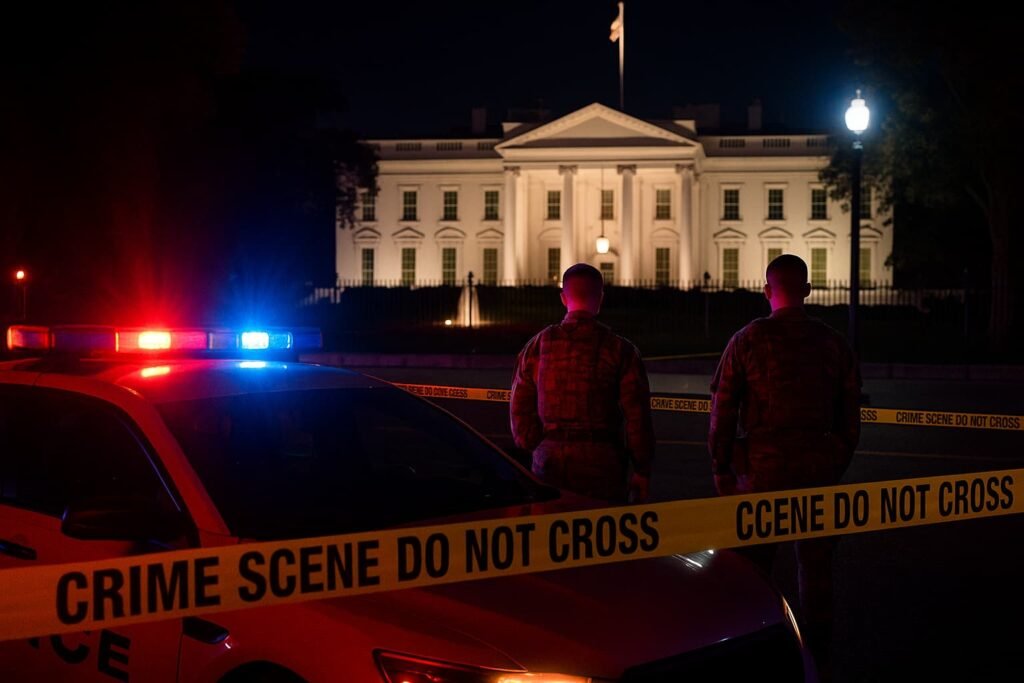
A violent ambush just steps from the White House has plunged Washington into a tense national security crisis, leaving two West Virginia National Guardsmen in critical condition and prompting President Donald Trump to order a sweeping freeze on Afghan-related immigration cases, escalate troop deployments in the capital, and cast blame on what he calls the “failed vetting” policies of the previous administration.
Officials identified the suspect as Rahmanullah Lakanwal, an Afghan national who entered the United States in 2021 under Operation Allies Welcome, applied for asylum in 2024, and was granted it by the Trump administration in April 2025. The Department of Homeland Security described the shooting as a “targeted attack”, while DC Mayor Muriel Bowser said Wednesday the incident was “clearly intentional.”
In a late-night address, Trump condemned the act as “terrorism” and vowed a far-reaching immigration crackdown, escalating tensions on the eve of the Thanksgiving holiday and spurring immediate political reverberations across Washington.
The Attack Near the White House
The shooting unfolded Wednesday afternoon near the White House perimeter, where Guardsmen were deployed as part of Trump’s controversial expansion of National Guard presence across Washington. The two victims, both from West Virginia, were performing routine patrol duties when they were shot at point-blank range in what officials described as a “monstrous ambush-style attack.”
Witnesses reported chaos as Secret Service agents closed streets, erected cordons, and warned bystanders to “run.” One witness, Leila Christopher, told CNN she saw one of the Guardsmen on a stretcher with a device pumping his heart. “His face was covered in blood,” she said.
Authorities subdued the suspect without further injury, a response military officials praised as disciplined and life-saving under extreme stress.
Suspect Identified: Afghan National Granted Asylum in 2025
The Department of Homeland Security confirmed the suspect as Rahmanullah Lakanwal. Multiple law enforcement officials told CNN the man immigrated to the U.S. in 2021 after the American withdrawal from Afghanistan.
Key timeline:
- September 8, 2021: Entered the U.S. under Operation Allies Welcome
- 2024: Applied for asylum
- April 2025: Asylum granted under the Trump administration
While the program originally included thousands of Afghans who aided U.S. forces, Trump and DHS Secretary Kristi Noem have repeatedly claimed that the admission process under President Biden lacked rigorous vetting. In a statement Wednesday night, Noem referred to Lakanwal as “one of the many unvetted, mass-paroled individuals admitted under the Biden administration.”
Trump Reacts: A Call for a Nationwide Immigration Review
Speaking from Mar-a-Lago, Trump delivered a grim message to the nation:
“This was an evil, ambush-style attack carried out by a foreigner brought here from Afghanistan … Biden flew him in. And tonight we must re-examine every single alien who entered during that period.”
He accused the previous administration of bringing in “millions of unvetted people,” which he called “a risk to our very survival.” Trump also broadened his criticism to other immigrant communities, including Somali Americans in Minnesota, whose presence he described in stark terms.
His remarks intensified criticism from Democrats and civil rights groups, who accused him of politicizing a tragedy and stoking fear before facts were fully known.
USCIS Halts All Afghan Immigration Cases
Shortly after the president’s speech, US Citizenship and Immigration Services announced it was halting all immigration processing for Afghan nationals indefinitely.
The agency cited a need for “further review of security and vetting protocols,” framing the move as a precautionary measure to protect national security.
The freeze will affect:
- asylum cases
- green card applications
- refugee reunification petitions
- Special Immigrant Visa applicants
More than 190,000 Afghans have resettled in the U.S. since 2021, and advocacy groups warn the halt could leave thousands in limbo — including interpreters and personnel who supported U.S. forces during the war.
National Guard Presence in DC Expands Despite Legal Setback
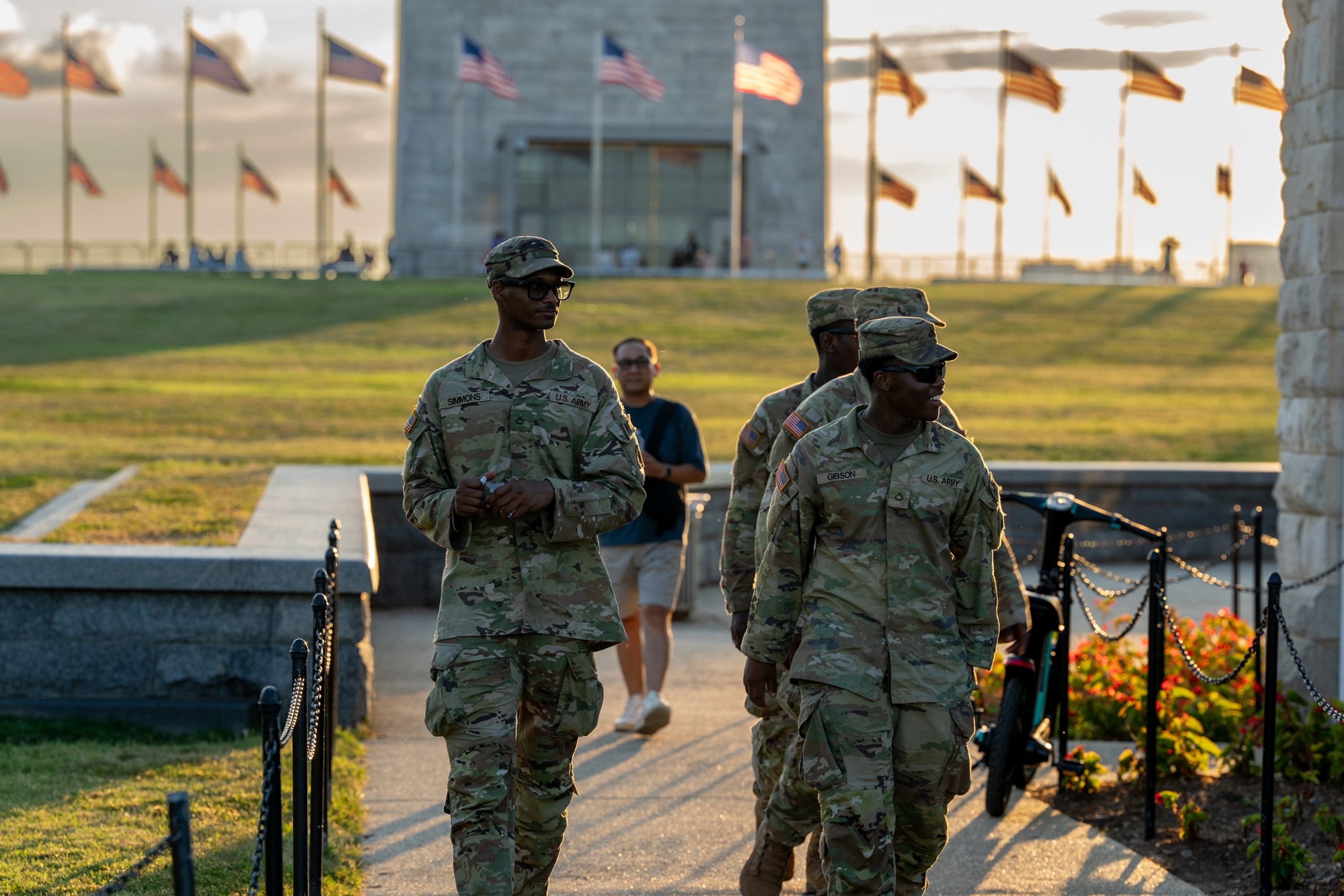
The Trump administration has requested 500 additional National Guard troops for Washington, DC, even as it battles a federal court ruling that declared the prior deployment unlawful.
Last week, a judge ordered the Guard withdrawn, arguing the deployment exceeded presidential authority and lacked proper justification. The administration immediately appealed and now seeks an emergency stay to keep — and expand — the military presence in the capital.
Critics say the request signals the White House intends to posture Washington as a security zone, reminiscent of earlier controversies involving domestic troop deployments.
Military leaders struck a more somber tone.
Secretary of the Army Dan Driscoll visited the wounded Guardsmen Wednesday night, asking Americans for prayers and calling the attack “a horrific act of violence against men who served selflessly.”
Afghan Community Leaders Urge Calm
The nonprofit AfghanEvac, which assists Afghan refugees resettling in the U.S., strongly condemned the attack but urged Americans not to scapegoat the wider community.
“There is no excuse — no grievance, no ideology — that justifies this violence,” said its president, Shawn VanDiver. “But we call on the public not to demonize Afghan families because of the deranged choice this individual made.”
He warned against political exploitation of the tragedy, saying, “Those who twist this moment to attack Afghan families aren’t seeking safety or justice — they’re exploiting division.”
What Is Operation Allies Welcome?
Operation Allies Welcome was launched by President Biden in 2021 to shelter Afghans vulnerable after the U.S. withdrawal. Many were interpreters, humanitarian workers, security personnel, and their families — thousands of whom risked their lives aiding U.S. operations.
More than 40% were eligible for Special Immigrant Visas, according to DHS.
The Biden administration hailed the program as a moral obligation to wartime partners; critics argued it moved too quickly amid the chaotic evacuation.
The Trump administration, since taking office in January, has moved to:
- re-interview Afghan refugees
- revoke Temporary Protected Status for some nationalities
- restrict foreign aid to Afghan support programs
The DC shooting has now thrust the program into the center of a political storm.
Political Fallout in Washington
The attack has triggered intense partisan debate:
- Republicans argue the shooting underscores the dangers of past immigration policy.
- Democrats accuse Trump of inflaming xenophobia and ignoring the complexities of vetting during a mass evacuation.
- Security analysts warn the rapid politicization could undermine national unity at a time of crisis.
Mayor Muriel Bowser called the shooting a “targeted act of violence,” but avoided speculating on motive.
Meanwhile, Congress is already facing pressure to investigate the handling of Operation Allies Welcome and the broader vetting apparatus.
A City on Edge Before Thanksgiving
The attack occurred as thousands made their way to DC for Thanksgiving festivities, sending waves of sirens through streets near the White House and unnerving locals and visitors alike.
The Joint Task Force – DC commander, Col. Larry Doane, praised the Guardsmen who subdued the shooter, calling them “heroes.”
“They came here to help keep the nation’s capital safe — and they paid a terrible price for that commitment,” he said.
As the two Guardsmen fight for their lives in a DC hospital, the city remains on heightened alert, and the nation waits for clarity on what led to the brutal attack.