Science and Technology

Exterior view of MIT’s Picower Institute, where the visual perception study was conducted.

Beyond “Seeing is Believing”: MIT Study Reveals the Brain Actively Rewrites Visual Input Based on Mood and Action

By Harshit CAMBRIDGE, MASSACHUSETTS, NOV. 30 —For decades, scientists viewed vision as a primarily bottom-up process: light hits the retina, signals travel to the visual cortex, and the brain forms an image. New research from MIT’s Picower Institute, published in Neuron, fundamentally challenges this model, showing the relationship is a two-way street. The study, led […]


Beyond “Seeing is Believing”: MIT Study Reveals the Brain Actively Rewrites Visual Input Based on Mood and Action Read More »

Image showing antiseizure medications, highlighting global concerns about valproate safety in pregnancy.

Warning Issued Over Global Use of Valproate as Study Shows Rising Access to Seizure Drugs but Persistent Risks

By HarshitBIRMINGHAM, UK | NOVEMBER 29, 2025 Antiseizure medications are becoming more widely available across the world, but a new global study warns that one widely used drug — valproate — continues to place millions of women and babies at risk. The analysis, conducted by researchers at Aston University with support from the World Health

Warning Issued Over Global Use of Valproate as Study Shows Rising Access to Seizure Drugs but Persistent Risks Read More »

Illustration of a shield symbol protecting digital data.

Cybersecurity Best Practices for Everyone: A Complete, Simple Guide for Staying Safe Online

By HarshitLA, NOV. 29 — 1 AM EDT Cybersecurity is no longer a concern only for IT professionals — it affects every person who uses a phone, laptop, bank account, social media profile, or email. With cyberattacks growing more sophisticated each year, protecting your digital life has become as essential as locking your home or

Cybersecurity Best Practices for Everyone: A Complete, Simple Guide for Staying Safe Online Read More »

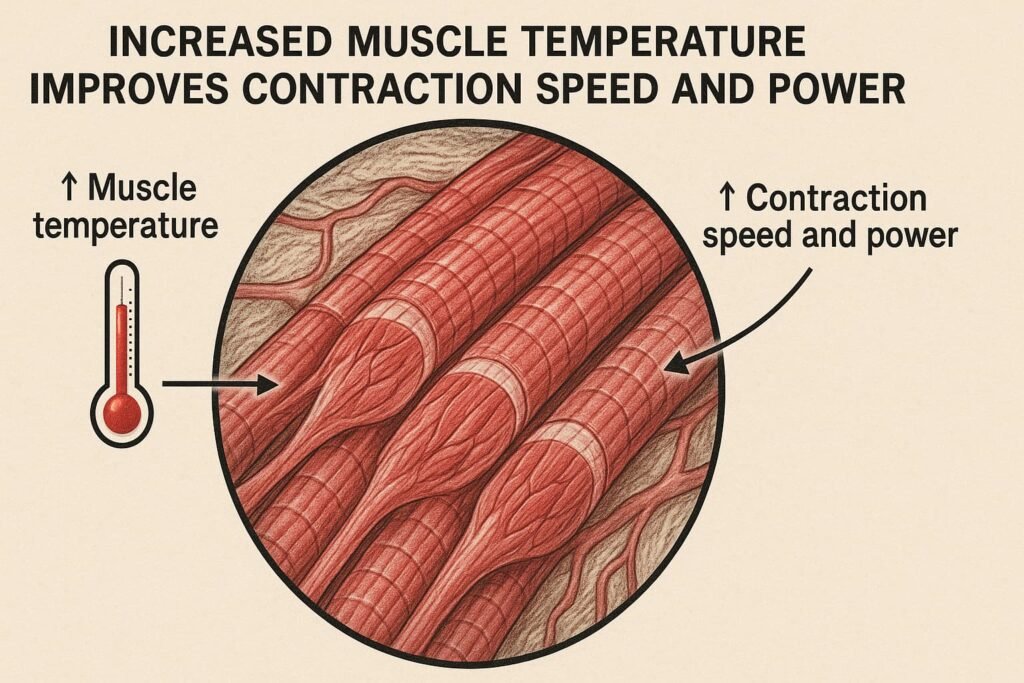
Microscope-style diagram showing how increased muscle temperature improves contraction speed and power.

Raising Muscle Temperature Boosts Speed and Power, New Research Shows

By HarshitPERTH, AUSTRALIA | November 28, 2025 Warming up before exercise has long been considered best practice, but new research from Edith Cowan University (ECU) offers one of the clearest explanations yet for why it works. The study found that increasing muscle temperature — whether through movement or external heat — can significantly improve the

Raising Muscle Temperature Boosts Speed and Power, New Research Shows Read More »

GPU server racks used for training large AI models like ChatGPT.

How AI Works: A Complete, Simple, Yet Comprehensive Explanation

By HarshitWASHIGNTON, Nov. 28 — Artificial Intelligence (AI) powers almost everything around us today — from ChatGPT and Google Search to self-driving cars, medical diagnosis systems, fraud detection, and even the personalized recommendations we see on YouTube and Netflix. But despite constantly using AI, most people still don’t know what AI actually does behind the

How AI Works: A Complete, Simple, Yet Comprehensive Explanation Read More »

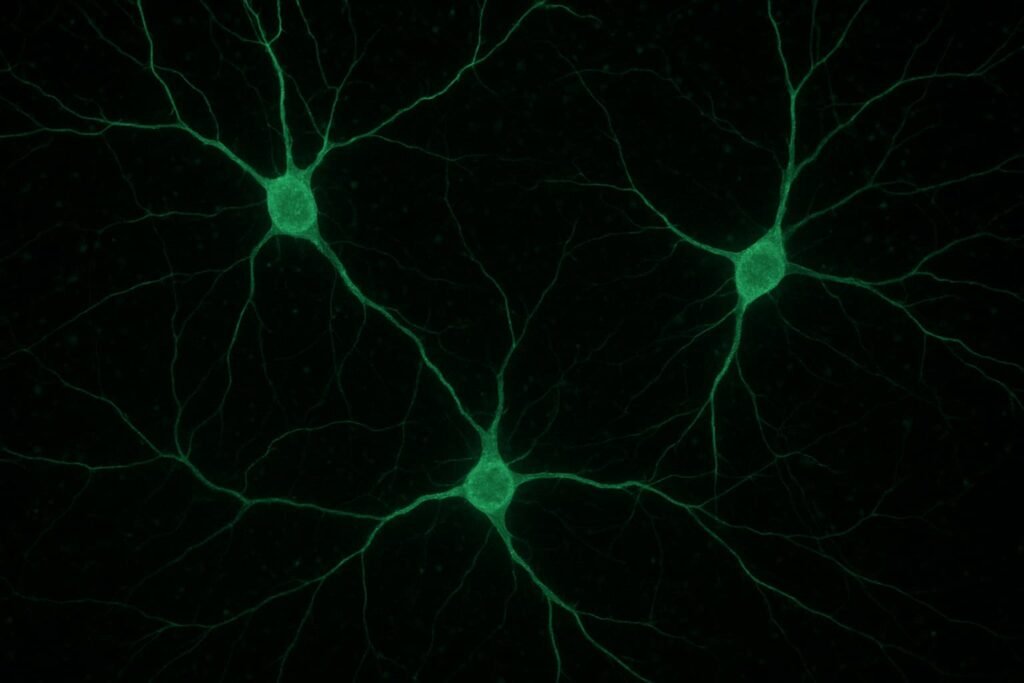
Microscopy image showing hippocampal neurons where ATP signaling is disrupted in mouse models of depression.

ATP Signaling Breakdown in the Brain Linked to Depression and Anxiety, New Study Finds

By HarshitGUANGZHOU, CHINA | November 22, 2025 A new study published in JNeurosci reveals that disruptions in a fundamental cellular energy molecule — adenosine triphosphate (ATP) — may directly trigger depression and anxiety by altering communication in the hippocampus, a brain region crucial for memory and emotional regulation. The findings provide rare molecular-level evidence of

ATP Signaling Breakdown in the Brain Linked to Depression and Anxiety, New Study Finds Read More »

Diagram showing how Nvidia GPU cores handle parallel processing in AI computing.

How AI Chips Like Nvidia’s Actually Work — Explained Simply

By Harshit SAN FRANCISCO, November 28, 2025 — 10:45 AM PST Artificial intelligence has become the foundation of today’s technology—from chatbots and self-driving cars to medical imaging and stock market predictions. But behind all of this AI power lies a tiny piece of hardware: the AI chip. Companies like Nvidia dominate this space, producing the

How AI Chips Like Nvidia’s Actually Work — Explained Simply Read More »

Concept image of an Android-based laptop open on a desk beside a smartphone.

Google’s Android PC Push Signals a Major Shift in Personal Computing

By HarshitSAN FRANCISCO, NOVEMBER 26, 2025 — For decades, the tech industry has dreamed of a single operating system that could seamlessly follow users from their smartphones to their laptops and desktops. Many have attempted to achieve this “holy grail” of personal computing. Most have failed spectacularly. Now, in late 2025, Google is preparing the

Google’s Android PC Push Signals a Major Shift in Personal Computing Read More »

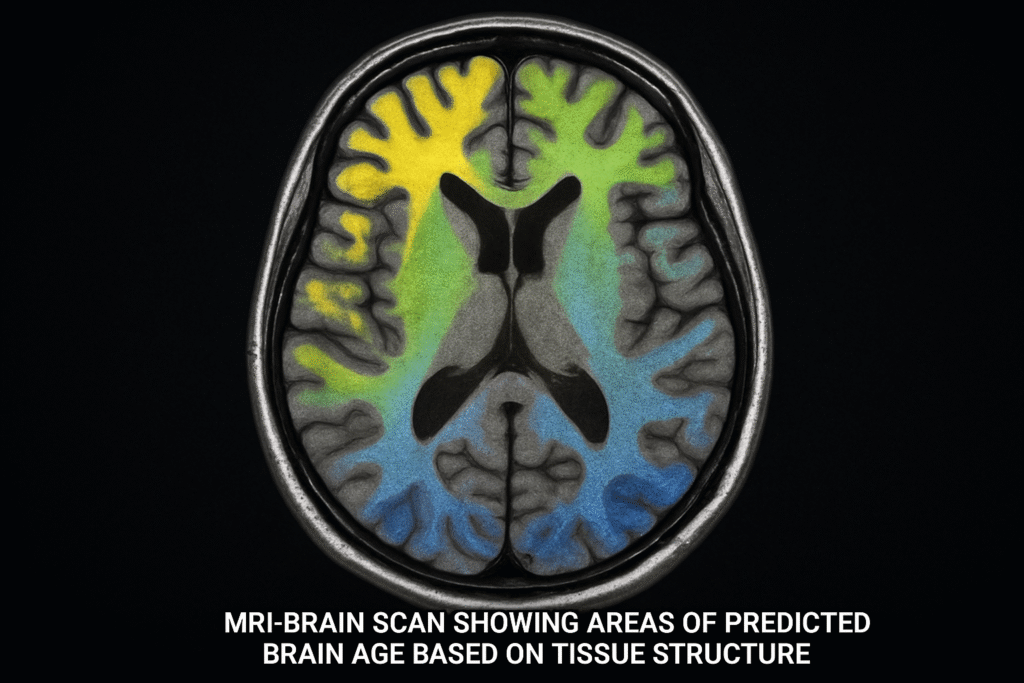
MRI brain scan showing areas of predicted brain age based on tissue structure.

More Muscle, Less Hidden Belly Fat Linked to Younger Biological Brain Age, Study Finds — Warning Issued for Long-Term Brain Health

By HarshitCHICAGO, NOVEMBER 26, 2025 A new study presented at the Radiological Society of North America (RSNA) annual meeting has found that people with more muscle and lower levels of hidden belly fat — known as visceral fat — tend to have younger biological brain ages, suggesting a strong link between body composition and brain

More Muscle, Less Hidden Belly Fat Linked to Younger Biological Brain Age, Study Finds — Warning Issued for Long-Term Brain Health Read More »

Moss spore under microscope — showing dense protective capsule that enables extreme environmental tolerance.

Moss Spores Survive 9 Months in Outer Space, Offering New Clues to Life Beyond Earth

By HarshitTOKYO, NOV. 25, 2025 — Mosses are known for colonizing the harshest corners of Earth — from Himalayan peaks to Antarctic deserts — but new research reveals that their resilience reaches even farther. According to a study published November 20 in iScience, moss spores mounted on the exterior of the International Space Station (ISS)

Moss Spores Survive 9 Months in Outer Space, Offering New Clues to Life Beyond Earth Read More »