
WASHINGTON, APRIL 12, 2026 —
Key Takeaways
- A 20-year NIH-funded clinical trial — the largest of its kind ever conducted — found that just 5 to 6 weeks of computer-based cognitive speed training reduced dementia diagnosis risk by 25% two decades later.
- The protective effect held even for participants who were already in their 80s and 90s at follow-up, suggesting it is never too late to start.
- This is the first randomized controlled trial in history to show that any intervention — pharmaceutical or otherwise — can measurably lower the incidence of Alzheimer’s disease and related dementias over a 20-year period.
For decades, doctors told aging Americans there was little they could do to prevent dementia beyond eating well and staying active. A landmark new study has changed that conversation — permanently.
A 20-year follow-up of the Advanced Cognitive Training for Independent and Vital Elderly study, known as ACTIVE, found that participants who received cognitive speed training plus booster sessions one and three years later were 25% less likely to be diagnosed with dementia in the following two decades. Researchers describe it as one of the first results from any large, gold-standard randomized trial to demonstrate that a non-pharmaceutical intervention can lower the incidence of Alzheimer’s disease and related dementias.
Johns Hopkins neurologist Marilyn Albert, the study’s corresponding author, called the findings remarkable: “We now have a gold-standard study that tells us that there is something we can do to reduce our risk for dementia.”
What the Training Actually Involved
The ACTIVE study, which began enrolling participants in 1998, was funded by the National Institutes of Health and followed 2,802 adults aged 65 and older assigned to one of three training groups — memory, reasoning, or speed of processing — or a control group that received no training at all.
Those in the training groups completed up to 10 sessions lasting 60 to 75 minutes over five to six weeks. About half were also randomly selected to receive up to four additional booster sessions at 11 and 35 months after the initial program.
The speed training specifically required participants to quickly identify objects on a computer screen and make decisions under time pressure. As accuracy improved, the tasks grew progressively harder — a method designed to sharpen what researchers call implicit, or automatic, processing in the brain.
NIH Director Jay Bhattacharya described the implications as powerful: “Simple brain training, done for just weeks, may help people stay mentally healthy for years longer. That’s a powerful idea — that practical, affordable tools
Critically, the memory and reasoning training groups did not show the same 20-year protective effect. Only the speed training group produced results that held across two decades.
Why Speed Training Works When Other Interventions Don’t
Researchers believe speed training may work because it engages implicit learning — the same unconscious, automatic process involved in learning to ride a bike or tie a shoelace. “We know that implicit learning operates differently in the brain and has more long-lasting effects,” Albert explained.
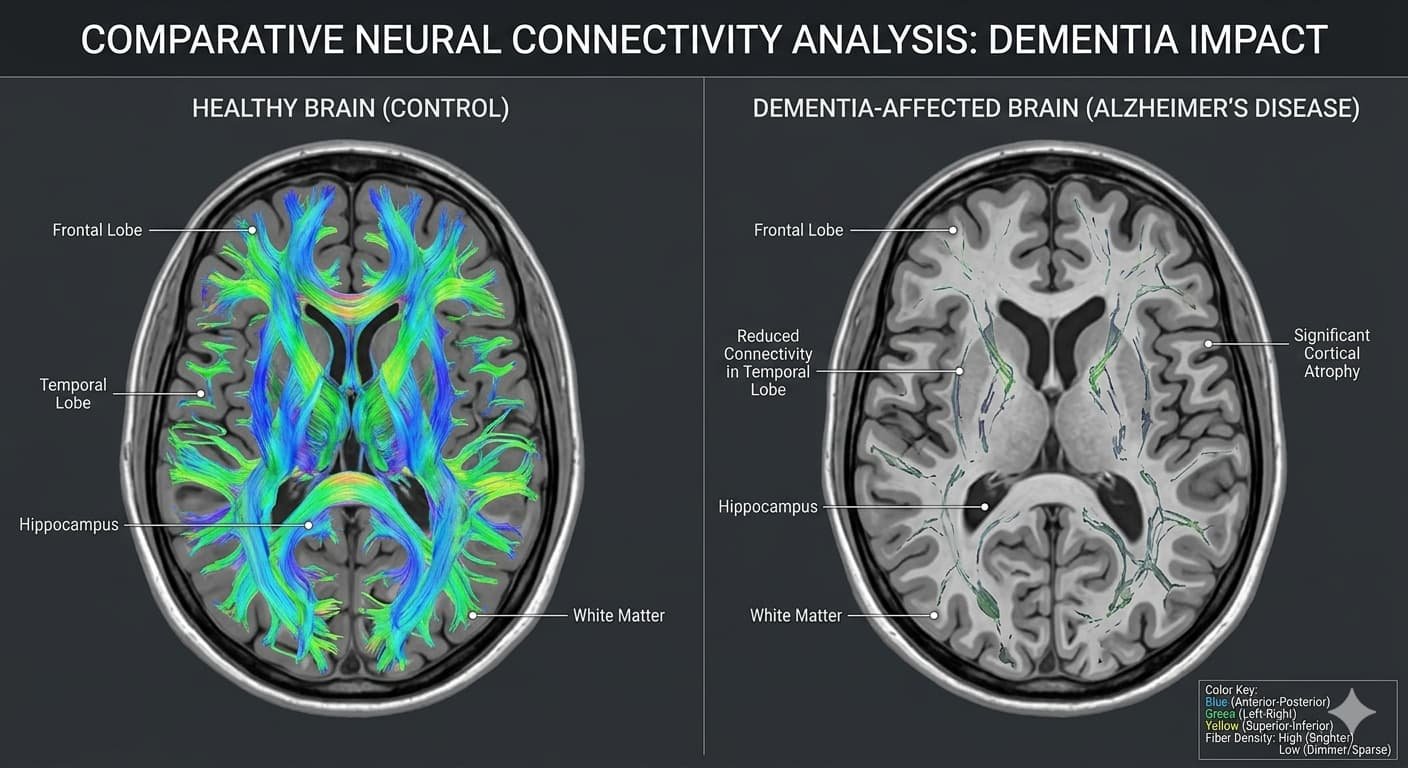
Speed training may also trigger physical changes to the brain itself — building new and stronger connections between neural networks. Separate research published around the same time found that speed training resulted in an upregulation of acetylcholine, the brain chemical responsible for focused attention, which declines with age and drops sharply in pre-dementia and dementia. No other intervention had previously been shown to reverse that decline.
| Training Type | 20-Year Dementia Risk Reduction |
|---|---|
| Speed of processing training | 25% lower risk |
| Reasoning training | No significant 20-year effect |
| Memory training | No significant 20-year effect |
| Control group (no training) | Baseline |
What This Means for the 7 Million Americans Living With Alzheimer’s
Marilyn Albert explained the public health significance directly: “Even small delays in the onset of dementia may have a large impact on public health and help reduce rising health care costs.” Alzheimer’s disease alone costs the United States over $300 billion annually in direct medical and caregiving expenses. Delaying onset by even two to three years — across a population — would translate into hundreds of billions in savings and millions of families spared the devastating burden of early-stage caregiving.
The study also offers an important reassurance on age. At enrollment, participants ranged in age from 65 to 94 years, and researchers found no substantial reduction in training benefit with age — suggesting that training can be started at any time.
Separately, a major Harvard-led study published earlier this year analyzed data from more than 130,000 participants over 43 years and found that those who drank two to three cups of caffeinated coffee daily had an 18% lower risk of developing dementia compared with those who consumed little or no caffeinated coffee. While the effect size was smaller than the ACTIVE findings, researchers noted that caffeinated coffee contains polyphenols and caffeine — both of which appear to reduce brain inflammation and protect against cognitive decline.
New research on Alzheimer’s disease mechanics is also advancing rapidly. Scientists at the University of Alabama at Birmingham identified that Alzheimer’s-related tau protein tangles spread through the brain via connected neurons — and that tau antibodies that stop this spreading could delay or prevent Alzheimer’s dementia. “If you stop that spreading, it would delay or prevent Alzheimer’s disease dementia,” said researcher Jeremy Herskowitz.
Pro Tips a Generic Article Would Miss
1. Speed training is not the same as crossword puzzles or Sudoku. Those activities engage conscious, deliberate thinking — the kind the ACTIVE study showed did not produce 20-year protective effects. The specific benefit came from computer-based visual processing exercises that train automatic, rapid response.
2. Booster sessions matter as much as the initial training. Participants who only completed the first round of training without follow-up boosters at one and three years showed significantly weaker long-term results. Consistency beats intensity.
3. Combining speed training with cardiovascular health amplifies the effect. Researchers noted that activities supporting cardiovascular health — including monitoring blood pressure and blood sugar — combined with cognitive training may deliver compounding protective benefits. The two approaches appear to strengthen overlapping neural protection mechanisms.
Actionable Step
Ask your primary care physician about incorporating structured cognitive speed training into your annual health plan — especially if you are 60 or older, have a family history of Alzheimer’s, or have risk factors including high blood pressure, Type 2 diabetes, or obesity. Short daily sessions of adaptive visual processing exercises, sustained consistently over months and years, represent the most evidence-backed non-pharmaceutical tool now available to protect long-term brain health.
SEO Title: Brain Training Cuts Dementia Risk 25% for 20 Years: Study
Meta Description: A landmark 20-year NIH study found 5 weeks of cognitive speed training cuts dementia risk by 25%. Here’s what it means and exactly what to do about it.
Keywords: dementia prevention 2026, Alzheimer’s disease prevention, brain training dementia, cognitive speed training, NIH dementia study, how to prevent dementia, Alzheimer’s risk reduction, brain health older adults, dementia risk factors, cognitive decline prevention, memory loss prevention, Alzheimer’s 2026 research