
By Harshit
RALEIGH, N.C., November 18, 2025 — 7 AM EDT
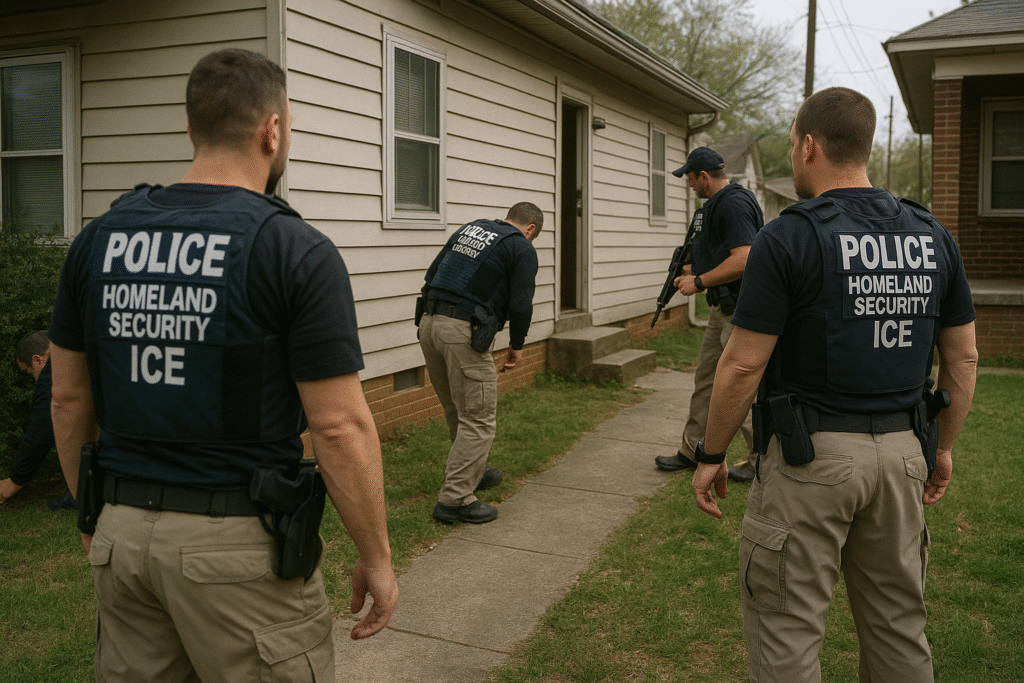
The Department of Homeland Security’s nationwide immigration blitz widened on Tuesday as Border Patrol agents prepared to expand into Raleigh, just days after aggressive operations in Charlotte led to more than 130 arrests and sparked widespread community fear, business closures, and condemnation from local leaders. Federal authorities say the crackdown—branded Operation Charlotte’s Web—is targeting “criminal illegal aliens,” while residents, advocates, and city officials accuse agents of racial profiling, intimidation, and operating without transparency.
The Biden-era legal guardrails for civil immigration enforcement—such as the prioritization of criminals, body-worn cameras on agents, and strict limits on racial profiling—have changed dramatically under President Donald Trump’s second-term directives. The result is a sweeping federal presence in urban neighborhoods that local officials say they were never consulted about.
A Weekend of Chaos in Charlotte
Charlotte became the epicenter of DHS activity over the weekend as Border Patrol, Homeland Security Investigations (HSI), and ICE coordinated raids across residential areas, parking lots, workplaces, and even holiday-decorating sites.
DHS confirmed 130 people were arrested, with 44 having a criminal record, including two alleged gang members. Charges included DUI, trespassing, larceny, assault, and hit-and-runs, though DHS declined to clarify how many were convictions versus pending charges.
A DHS spokesperson defended the operation sharply, saying:
“There is absolutely no excuse to continue allowing criminal illegal aliens to terrorize our American communities.”
But Mecklenburg County Sheriff Garry McFadden warned that the presence of heavily armed federal officers had created “fear, anxiety and uncertainty,” noting that 300 to 500 children did not attend school Monday and many workers stayed home out of fear of being detained.
He added that federal officials had not communicated with his department:
“At least respect me enough to come have a conversation with me while you’re operating in my county.”
Federal Agents Question Landscapers in Viral Incident
One of the most controversial Charlotte encounters occurred Saturday when Border Patrol agents in a minivan approached two landscapers decorating a homeowner’s Christmas tree. According to video and eyewitness accounts, agents asked for the workers’ “papers,” threatening arrest if they did not comply.
Homeowner Rheba Hamilton intervened, recording the encounter and calling it “racial profiling.”
Her video shows the agents walking away after she demands to know why they targeted the workers.
Top Border Patrol official Gregory Bovino later implied the men might have been criminals, asking on Fox News, “Do we know their criminal records?”
Hamilton blasted the response, saying the agents circled her block twice before stopping:
“They targeted them because of their skin color.”
Business Closures and Community Distrust
Across Charlotte, anxiety rippled through immigrant communities:
- A Colombian bakery closed for only the second time in 28 years.
- A popular laundromat locked its doors while customers were inside.
- A children’s afterschool program for immigrant and refugee kids suspended operations after Border Patrol officers appeared at their site.
The nonprofit ourBRIDGE said seven federal vehicles and 20 agents arrived near their facility Monday morning.
“What happened today was unnecessary, unacceptable, and an attack on the safety of our community,” the group stated.
Charlotte City Council member James Mitchell Jr. said he felt “helpless”:
“The longer the Border Patrol stays here, the more uncomfortable I feel each and every day.”
Mayor Calls for Respect of Civil Rights
Charlotte Mayor Vi Lyles urged federal agents to respect constitutional protections regardless of immigration status.
“I am deeply concerned with many of the videos I’ve seen,” she said.
“When any part of our community feels threatened, it affects us all.”
Her message to immigrants:
“Your city stands with you.”
Raleigh Becomes the Next Target
Two North Carolina lawmakers confirmed they were notified Border Patrol would move into Raleigh on Tuesday. DHS has not commented publicly.
Gov. Josh Stein said he was aware of the reports and warned federal agents to avoid the “racial targeting” alleged in Charlotte:
“Stop targeting people simply going about their lives because of the color of their skin.”
He urged Raleigh residents to remain peaceful while reporting wrongdoing to local authorities.
Nationwide Crackdown Continues
While Raleigh prepares for heightened federal presence, operations continue elsewhere:
- Chicago: The mayor of Broadview declared a civil emergency after a bomb threat amid protests outside an ICE facility.
- Portland: Hundreds of National Guard troops deployed to support DHS are now being sent home, though officials say a long-term presence will remain.
- Washington, D.C.: The Supreme Court agreed to review Trump’s asylum turn-back policy.
- Evanston, Illinois: Investigations continue after videos showed a federal agent using a chokehold on a protester.
These incidents fuel criticism that the administration is granting federal immigration agents unchecked authority.
Legal Battles Intensify Over Federal Power
A Tennessee judge temporarily blocked Trump’s attempt to deploy the National Guard in Memphis—though the order was paused pending appeal. The judge ruled that state law bars the governor from deploying the Guard unless there is rebellion or invasion.
The decision raises questions for other states watching the DHS crackdown closely.
Meanwhile, activists argue that DHS agents are operating in ways that cross legal lines.
Civil rights attorneys say they have received a surge of reports of:
- unlawful stops
- racial profiling
- questioning without suspicion
- intimidation of workers in public spaces
- detentions without explanation
Because many Border Patrol agents do not wear body cameras, verifying complaints remains difficult.
Local Organizers Mobilize
Community organizers in Charlotte have adopted tactics used in Chicago—rapid text alerts, legal observers, and rights-education workshops.
Charlotte officials urged residents to:
- check on neighbors
- provide groceries or shelter
- ensure children feel safe
- memorize basic rights (“Don’t open the door unless there is a warrant”)
Council member LaWana Mayfield told residents:
“We have to show up for each other. Ramp it up to 100,000%.”
Uncertain Future as Fear Deepens
As Border Patrol prepares to move into Raleigh, advocates warn that fear is spreading faster than information.
Sheriff McFadden summed up local concerns:
“I don’t think you can make someplace safer by creating fear.”
For many families—especially those with undocumented members—the question remains:
How long will this federal presence last, and who might be next?
For now, there are no answers.