
By Harshit
NEW YORK, JAN. 24, 2026 —
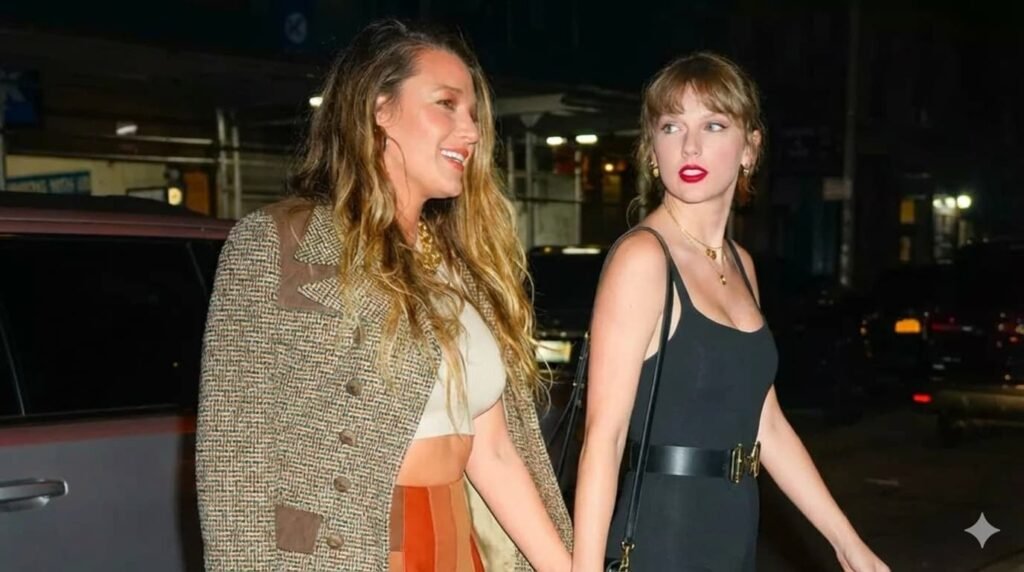
Newly unsealed court documents have shed fresh light on the legal battle between actress Blake Lively and her It Ends with Us director and co-star Justin Baldoni, revealing the extent of the support network Lively leaned on during and after the film’s production — including close friend Taylor Swift.
The filings, unsealed Tuesday in U.S. District Court in Manhattan and obtained by CNN, include private text exchanges in which Lively discussed alleged problems on set as early as 2023. Lively has accused Baldoni of sexual harassment and of orchestrating a retaliatory effort to damage her reputation after she raised concerns.
Baldoni has denied the allegations.
Text Messages Reveal Behind-the-Scenes Distress
According to the documents, Lively confided in Swift about her experiences working on the 2024 romantic drama, at one point referring to Baldoni as her “doofus director.” The filings show that the two women revisited the subject again a year later, shortly before a New York Times investigation publicly detailed alleged misconduct connected to the film.
In one exchange cited in the documents, Swift reportedly reacted to Baldoni’s public comments about his own past trauma, writing that she believed he sensed “something is coming.” She compared the unfolding situation to “a horror film no one knows is taking place,” according to the filing.
Swift’s representatives declined to comment, and she is not named as a defendant in any of the litigation.
Allegations and Legal Fallout
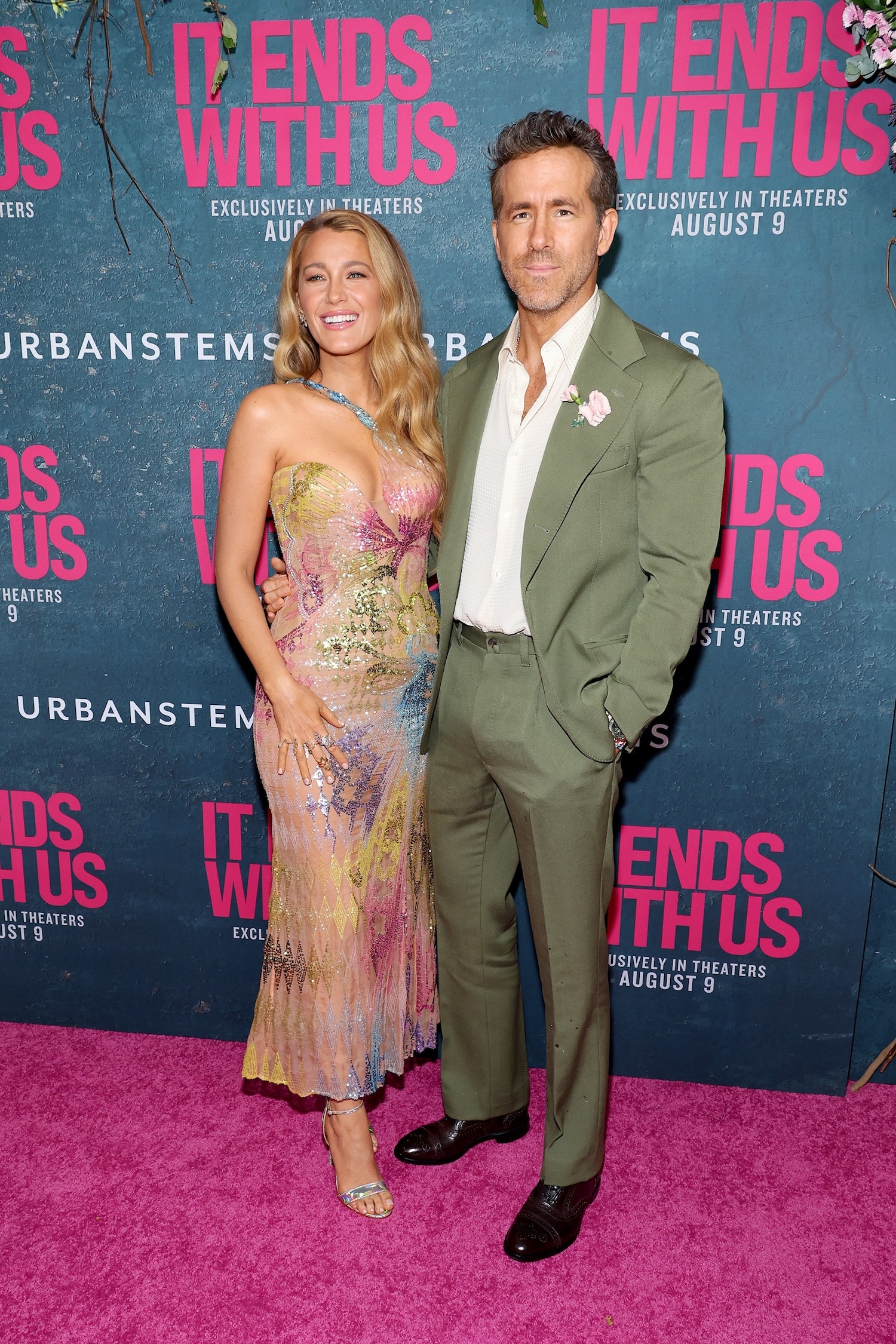
Lively’s lawsuit alleges Baldoni and his production company, Wayfarer Studios, failed to investigate complaints and instead sought to silence or discredit those who raised concerns. Her legal team says the newly unsealed documents demonstrate that Wayfarer understood the complaints as potential sexual harassment but declined to act.
“The evidence documents how concerns were raised in real time and then buried,” said Sigrid McCawley, a member of Lively’s legal team, in a statement.
Baldoni’s attorney, Bryan Freedman, rejected that characterization, saying the messages “do not support the claims as a matter of law” and that his client remains confident he will be cleared.
A Legal Battle That Sprawled Across Hollywood
The dispute became public after a New York Times article titled “‘We Can Bury Anyone’: Inside a Hollywood Smear Machine” examined alleged retaliation tied to the film. Baldoni responded by filing a defamation lawsuit against the newspaper, as well as a separate $400 million suit against Lively and her husband, Ryan Reynolds, claiming they attempted to sabotage his career and seize creative control of the movie.
A judge dismissed Baldoni’s lawsuits in June 2025. Two months later, the New York Times filed its own suit against Wayfarer Studios seeking reimbursement for legal fees.
Lively’s lawsuit, originally scheduled for trial in March 2026, was postponed and is now set for May 18, 2026.
Taylor Swift’s Peripheral Role

Swift’s name entered the legal proceedings in May 2025, when Baldoni sought to depose her after her name appeared in message exchanges included in court filings. A judge denied that request later that year.
The documents also reference Swift’s music being tied to the project. Her song “My Tears Ricochet,” from the Folklore album, was used in promotional material for It Ends with Us. Lively previously directed Swift’s music video for “I Bet You Think About Me (Taylor’s Version).”
The two women, longtime friends, have frequently appeared together at public events, and Reynolds confirmed in late 2024 that Swift is the godmother to the couple’s daughters.
Additional Complaints Surface
The unsealed filings suggest Lively was not alone in her concerns. Messages attributed to actress Jenny Slate, who also appeared in the film, describe the production as “really gross and disturbing,” adding that multiple people felt similarly unsettled.
Baldoni has denied wrongdoing toward Slate as well.