
WASHINGTON, May 16, 2026 —
Key Takeaways:
- The One Big Beautiful Bill Act, signed July 4, 2025, cuts federal Medicaid spending by $863 billion over a decade — with work requirements hitting early-adopter states by December 31, 2026 and an estimated 7.5 to 10 million people projected to lose Medicaid coverage
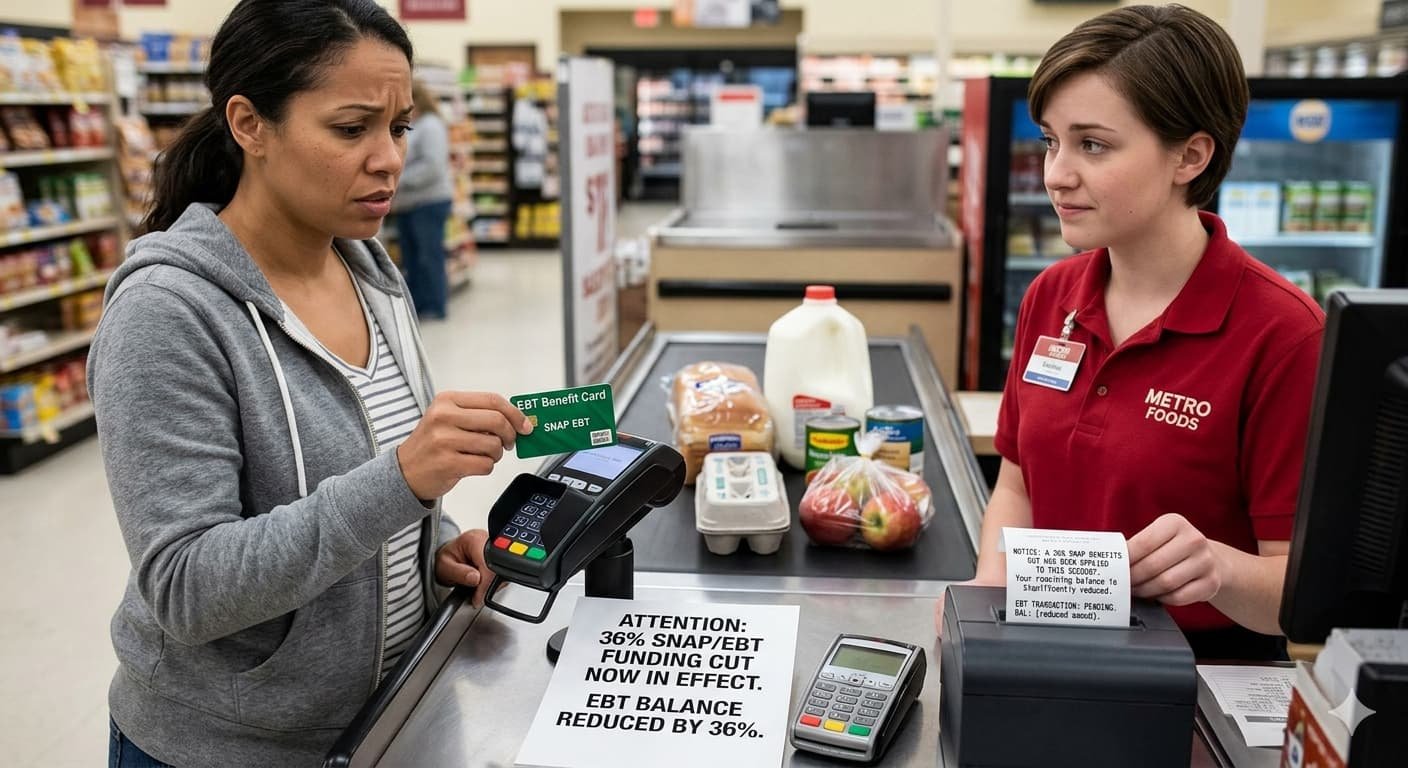
- SNAP funding is slashed by $295 billion over 10 years — a 36% cut by 2034 — reducing average monthly participation by 2.4 million people, with the bottom 20% of earners receiving less than 1% of the bill’s tax cuts while losing food and health benefits
- A mandatory $45 billion Medicare sequestration cut is already in effect for fiscal year 2026 under PAYGO rules triggered by the bill’s $3.4 trillion addition to the federal deficit — a figure the CBO confirmed
The fireworks have long faded. The bill Trump signed on the Fourth of July 2025 — the one he called the greatest legislative achievement of his presidency — is now an operational reality inside American households, state Medicaid offices, hospital billing departments, and grocery store checkout lines. And the full weight of it has not yet landed.
That changes before the year is out.
Who Is Losing Coverage — and When the Clock Runs Out
The One Big Beautiful Bill Act’s Medicaid provisions are not a single event. They are a cascading implementation schedule designed to roll out across 2026 and 2027, hitting different populations in different states at different moments. Some cuts are already in effect. Others arrive before December.
The law eliminates the enhanced federal funding bonus that encouraged states to expand Medicaid for the first time, effective January 1, 2026. That provision alone is expected to deter states that had not yet expanded from doing so, locking millions of low-income adults out of coverage they would otherwise have accessed. States that implemented early Medicaid work requirements — Georgia, Montana, Utah, Arizona, Arkansas, Iowa, Ohio, and South Carolina among them — are already requiring able-bodied adults between 19 and 64 to document employment, job training, or community service to maintain eligibility.
The federal mandate for full compliance across all states arrives December 31, 2026. Between now and that deadline, states are simultaneously managing the administrative burden of the new requirements while facing deep reductions in the federal matching funds that pay for a significant portion of their Medicaid programs. The result, projected across all states, is stark: between 7.5 million and 10 million people are expected to lose Medicaid coverage. Another 15 million Americans are projected to become uninsured entirely under the law’s full implementation.
The Bill That Cuts the Poor to Pay the Wealthy
The distributional math of the One Big Beautiful Bill is precise and documented. The Institute on Taxation and Economic Policy analyzed the final legislation and found that the highest-earning 5% of Americans will receive more than 45% of the bill’s tax cuts. The top 20% will receive more than 70%. The bottom 20% of earners will receive less than 1% of the cuts.
That bottom 20% also loses the most. The CBO estimates that resources for households in the lowest income decile will decrease by roughly 4% by 2033, driven primarily by cuts to SNAP and Medicaid. A single taxpayer earning $15,000 a year in 2026 pays no federal income tax — the standard deduction of $16,100 already zeroes out their liability. The bill’s “No Tax on Tips” and “No Tax on Overtime” provisions are structured as deductions, not refundable credits. A deduction is worthless when you owe nothing to begin with.
SNAP takes a particularly severe hit. The law cuts the program by $295 billion over ten years — a 36% reduction by 2034. Average monthly participation is projected to drop by 2.4 million people. The bill also freezes SNAP benefit adjustments by removing the Agriculture Department’s ability to recalibrate the Thrifty Food Plan to reflect the actual cost of a healthy diet, locking benefit amounts to inflation adjustments only.
The $45 Billion Medicare Cut Nobody Voted For
Here is the mechanism most Americans have not heard about. The 2010 Pay-As-You-Go Act requires that any legislation adding to the federal deficit must be offset by tax increases or spending cuts. The One Big Beautiful Bill adds $3.4 trillion to the deficit over a decade. Congress did not fully offset it. That triggers an automatic sequestration order.
For fiscal year 2026, that sequestration reduces Medicare spending by an estimated $45 billion. It grows to $75 billion by 2034. This is not a policy choice made by the current Congress — it is a mechanical consequence of the deficit math in a law that was sold as a tax relief package. The cut lands on Medicare’s payment rates to hospitals, physicians, and other providers. It does not directly reduce beneficiary benefits — but reduced payment rates lead to rural hospital closures, physician practice consolidations, and access restrictions that affect patients regardless of what their coverage card says.
| One Big Beautiful Bill — 2026 Impact Tracker | Figure |
|---|---|
| Federal Medicaid cut (10-year total) | $863 billion |
| SNAP cut (10-year total) | $295 billion |
| People projected to lose Medicaid | 7.5–10 million |
| People projected to become uninsured | 15 million |
| SNAP monthly participation reduction | 2.4 million people |
| Medicare sequestration (FY2026) | $45 billion |
| Medicare sequestration (FY2034) | $75 billion |
| Share of tax cuts to top 5% earners | 45%+ |
| Share of tax cuts to bottom 20% earners | Less than 1% |
| Work requirement deadline (all states) | December 31, 2026 |
| Bill’s total deficit addition (10 years) | $3.4 trillion |
| Jobs projected at risk (Medicaid/SNAP cuts) | 1.2 million by 2029 |
The Job Losses That Have Not Made the Headlines
The economic ripple from Medicaid and SNAP cuts extends well beyond the households that lose benefits. A Commonwealth Fund analysis projects that by 2029, cuts to the two programs will cause state gross domestic products to fall by $154 billion, with nearly 500,000 of the 1.2 million projected job losses concentrated in healthcare — hospitals, physician offices, pharmacies, and long-term care facilities that are financially dependent on Medicaid reimbursement flows.
The loss of 1.2 million jobs is roughly equivalent to a 0.8 percentage point increase in the national unemployment rate. That number sits alongside the Iran war’s energy shock, a Federal Reserve that cannot cut rates, and an inflation reading that has already hit 3.8%. None of these forces operate in isolation. They compound.
The people most exposed — low-income households losing SNAP and Medicaid while paying $4.50 for gas — are also the least able to absorb the compounding. The bill was signed on America’s birthday. The bill is now coming due.