
By Harshit
WASHINGTON, Dec. 9 — 8:30 AM EDT
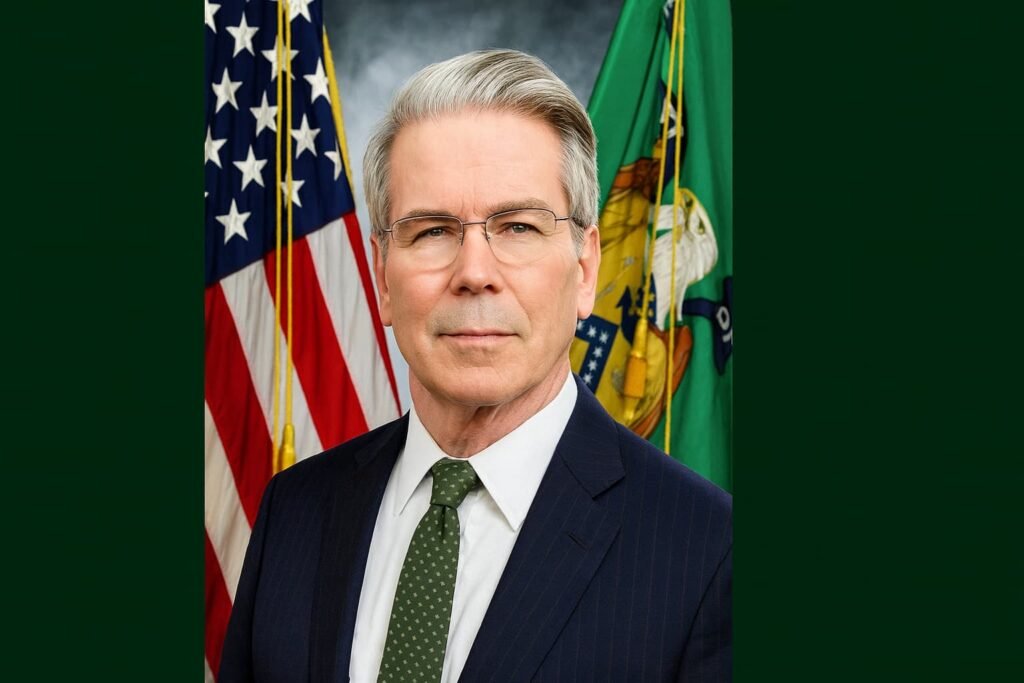
U.S. Treasury Secretary Scott Bessent said Sunday that the American economy is poised to finish the year on solid footing, citing stronger-than-expected growth and a robust holiday shopping season, even as consumer sentiment remains historically weak and political tensions weigh on public confidence.
Speaking on CBS News’ Face the Nation, Bessent described recent economic performance as “very strong,” pointing to multiple quarters of elevated growth and expressing confidence in the country’s year-end outlook despite the disruption caused by the recent government shutdown led by Senate Minority Leader Chuck Schumer.
“The economy has been better than we thought. We’ve had 4% GDP growth in a couple of quarters,” Bessent said. “We’re going to finish the year, despite the Schumer shutdown, with 3% real GDP growth.”
GDP Growth Rebounds After Early-Year Contraction
According to data from the Bureau of Economic Analysis (BEA), the U.S. economy contracted at an annualized rate of 0.6% year over year in the first quarter of 2025, reflecting lingering inflation pressures and tightening financial conditions at the start of the year.
Economic momentum improved sharply in the second quarter, when real gross domestic product expanded by 3.8%, aided by resilient consumer spending and improved business investment.
Looking ahead, the BEA is scheduled to release initial third-quarter GDP estimates on December 23. In the meantime, the Federal Reserve Bank of Atlanta’s GDPNow model, updated on December 5, estimates 3.5% annualized growth for the third quarter, reinforcing expectations of a strong economic rebound.
Consumer Spending Holds Up, Confidence Remains Low
Consumer activity continues to anchor economic growth. Household spending accounts for nearly 70% of U.S. GDP, and Bessent said recent data suggest holiday shopping has exceeded expectations so far this season.
However, public confidence remains subdued. The University of Michigan’s consumer sentiment index rose modestly in December to 53.3, a 4.5% increase from November, but the index remains 28% below levels recorded a year earlier, underscoring persistent anxiety over inflation and household budgets.
Economists note that while consumers continue to spend, sentiment surveys reflect elevated concerns about price levels rather than income loss or unemployment.
Inflation Pressures Continue to Shape Public Perception
The latest inflation report, also delayed by the government shutdown, showed consumer prices rising 3.0% year over year in September, according to the BEA. Food-at-home prices increased 3.1%, reinforcing affordability concerns even as inflation shows signs of easing from earlier peaks.
Core inflation—the measure most closely followed by the Federal Reserve—has slowed to 2.8%, strengthening market expectations that interest rate cuts may begin in 2026. Nonetheless, price levels remain higher than pre-pandemic norms, continuing to affect consumer attitudes.
Political Debate Intensifies Over Economic Messaging
President Donald Trump has publicly rejected claims that Americans are struggling with affordability, framing such concerns as politically motivated.
“The word ‘affordability’ is a con job by the Democrats,” Trump said during a cabinet meeting earlier this week. “The word ‘affordability’ is a Democrat scam.”
Despite the administration’s economic optimism, public polling suggests skepticism among voters. A recent NBC News survey found that approximately two-thirds of registered voters believe the Trump administration has fallen short on managing the economy and the cost of living.
Asked about the disconnect between economic data and public opinion, Bessent attributed dissatisfaction to residual inflation from the prior administration and the influence of negative media coverage.
“The American people don’t know how good they have it,” Bessent said. “Democrats created scarcity, whether it was in energy or over-regulation, that we are now seeing this affordability problem. I think next year we’re going to move on to prosperity.”
Economic Outlook Remains Mixed Heading Into 2026
While macroeconomic indicators point toward accelerating growth and easing inflation, analysts caution that elevated prices, labor market uncertainty, and political divisions could continue to weigh on consumer confidence into 2026.
Recent data also show rising layoff announcements and uneven hiring trends, factors that could influence household behavior in the coming quarters even as GDP growth remains positive.
For now, markets and policymakers will closely watch upcoming GDP data, inflation readings, and labor indicators to determine whether economic momentum can be sustained into the new year.