
By Harshit
SYDNEY, AUSTRALIA — December 10, 2025 — Australia has officially implemented the world’s toughest social media restrictions for minors, enforcing a first-of-its-kind ban that requires major platforms to block users under the age of 16 — without exceptions, even with parental approval. The law, which took effect Wednesday, immediately locked out thousands of teenagers across the country, sparking relief among parents, backlash among students, and global scrutiny of whether such a prohibition can actually work.
Under the new policy, companies including Meta, TikTok, YouTube, Snapchat and seven other platforms must take “reasonable steps” to prevent Australians under 16 from holding accounts. Firms that fail to comply could face penalties reaching A$49.5 million for serious breaches. Australia’s eSafety Commissioner Julie Inman Grant said inspections would begin within 24 hours.
For Prime Minister Anthony Albanese, the reform is a signature victory. Framed as a bold public-health intervention, the ban aims to reduce exposure to harmful content, addictive algorithms, cyberbullying, and predatory behavior online. Standing alongside advocates and parents who campaigned for the measure, Albanese described the moment as transformative.
“This is Australia showing enough is enough,” he said. “My pride to be prime minister has never been greater. This will go down with the great reforms Australia has led the world on.”
A Global First — And a Global Experiment
Several governments have moved to tighten regulation of children’s online activity, but Australia’s model is unprecedented:
• Highest age limit (16).
• No parental-consent exemptions.
• Full legal liability placed on social media companies, not families.
With that scope, it becomes the strictest children’s social media law on Earth — and other nations are already watching closely. Denmark, Greece, Singapore, Malaysia, and Brazil are among those studying Australia’s approach as a potential template. In the US, states such as Florida and Utah have passed or proposed similar measures but with more carve-outs.
“This is the first true stress test of whether governments can enforce age-based exclusion at scale,” a digital-policy researcher at the University of Sydney said.
Support From Parents, Skepticism From Teens
Polling indicates overwhelming parental support. Families cite rising concerns about online grooming, depression, body-image harm, pornography exposure, and persistent cyberbullying. Many believe platforms have failed to protect minors despite years of pressure.
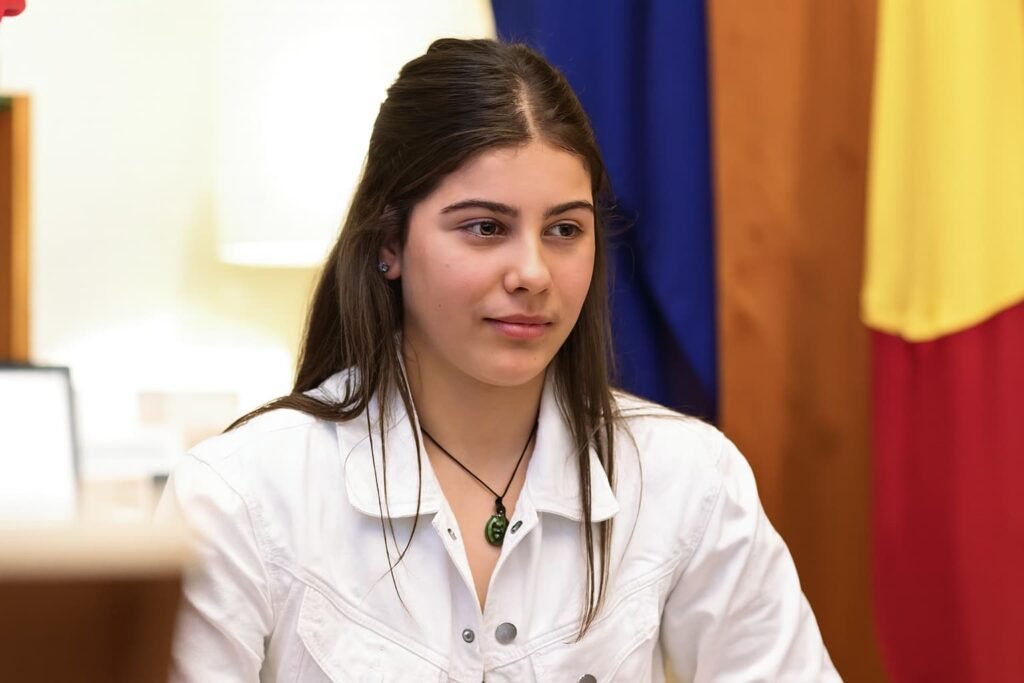
Twelve-year-old Tasmanian student Florence “Flossie” Brodribb — one of the most visible youth advocates for the ban — said social media exploits the teenage brain’s vulnerabilities.
“Our brains are going through one of the biggest rewiring periods of our lives,” she said. “Social media is designed to take advantage of that. Young people deserve better.”
But teens themselves overwhelmingly oppose the measure.
Fifteen-year-old Breanna, who lives nearly 20 km from her nearest friend and more than 100 km from the next, told the BBC that the ban feels like a punishment for geography.
“When our Snapchat is taken away, so is our communication,” she said.
Youth mental-health organizations warn that cutting off online communities may disproportionately hurt LGBTQ+ teens, neurodivergent youth, and rural students who rely on digital spaces for support.
Tech Firms Brace for a Global Domino Effect
Big Tech companies have responded cautiously but critically. Many argue that mandatory age verification could compromise privacy, create surveillance risks, and encourage teens to migrate to unregulated corners of the internet.
Privately, executives fear Australia’s model spreading internationally — creating a domino effect that reshapes the global social media landscape.
The Albanese government insists companies possess the resources and AI tools to prevent underage access. But even officials acknowledge gaps.
“We do know this won’t be perfect,” Albanese said. “Success is the fact that this is happening — that the conversation is happening.”
The Reality: Teens Are Already Evading the Ban
Despite the sweeping new rules, many Australian teens interviewed said they circumvented age checks within hours using:
• VPNs
• Fake birthdates
• Secondary accounts
• Less-regulated platforms
Experts warn that prohibitions without robust digital-literacy education risk pushing minors into riskier online environments.
“It’s a good idea in principle, but is this the right execution? I’m not sure,” said Sydney father-of-two Ian.
Regulators Prepare for a Long Fight
Online safety regulator Julie Inman Grant said enforcement will intensify in the coming months.
“Stories of kids bypassing the system will make headlines, but we are playing the long game,” she said. “The world will follow — just as nations followed our lead on tobacco plain packaging, gun reform, water, and sun safety.”
Whether Australia’s approach becomes a global model or a cautionary tale may depend on how platforms adapt — and how effectively regulators respond in the months ahead.