
WASHINGTON, June 6, 2026 —
Two events of consequence arrived almost simultaneously on Thursday evening: the United States Senate passed a $170 billion immigration and Homeland Security enforcement package on a party-line vote, and the Pentagon announced that American forces had intercepted Iranian ballistic missiles headed toward Kuwait and Bahrain while simultaneously shooting down four Iranian drones and striking Iranian radar installations. One was a domestic political accomplishment weeks in the making. The other was another chapter in a war with no end date.
The Senate Immigration Bill — What Passed and What It Does
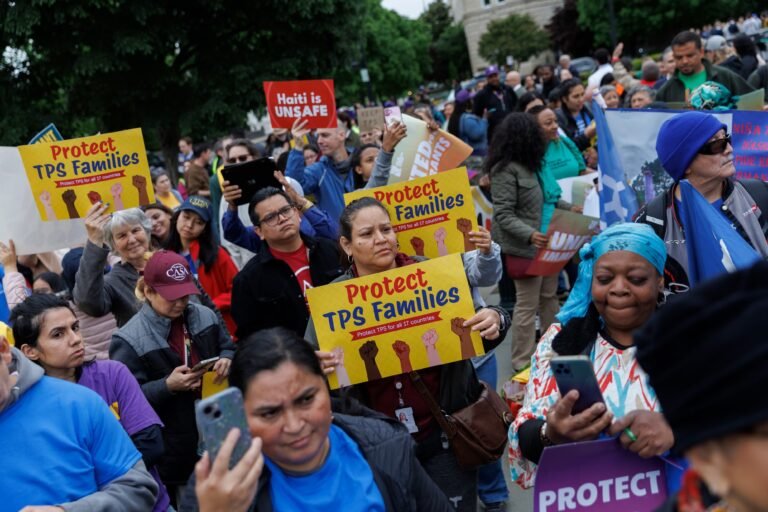
The immigration enforcement and Homeland Security funding package cleared the Senate 52-48 on Thursday, with every Republican voting yes and every Democrat voting no. The bill passed with no amendments attached — the Democratic delay tactics that leadership had threatened, including a full read-aloud of the legislation’s text and a vote-a-rama of amendment votes, were deployed but ultimately could not prevent passage under reconciliation rules.
The legislation provides $170 billion over four years for immigration enforcement operations — a figure that significantly expands ICE detention capacity, funds the construction of additional border infrastructure, and provides resources for deportation flights and processing centers across the country. It also includes $12 billion for Homeland Security cyber and border technology upgrades and $8 billion for state and local law enforcement grants tied to immigration cooperation.
The bill had been derailed for weeks by the Anti-Weaponization Fund controversy, which caused Republican senators to walk out of Washington before Memorial Day recess without voting. The DOJ’s termination of the fund on June 3 removed that obstacle, and Senate Majority Leader John Thune moved quickly to schedule the vote. The 52-48 margin was the smallest possible comfortable Republican majority, with no defections from the caucus.
The bill now goes to the House, where leadership expressed confidence it could pass with the same reconciliation majority that cleared the One Big Beautiful Bill last year. Democrats plan to force a floor vote on a motion to recommit — a procedural challenge that is almost certain to fail — before final passage.
The legislation is the largest single immigration enforcement appropriation in American history. Its implementation timeline, enforcement priorities, and practical impact on deportations, detention conditions, and asylum processing will unfold over the four-year funding window it covers.
Iran’s Thursday Night — Missiles, Drones, and Radar Sites
Even as the Senate vote was being tallied, CENTCOM was managing an overnight exchange of fire in the Persian Gulf that has now become grimly routine.
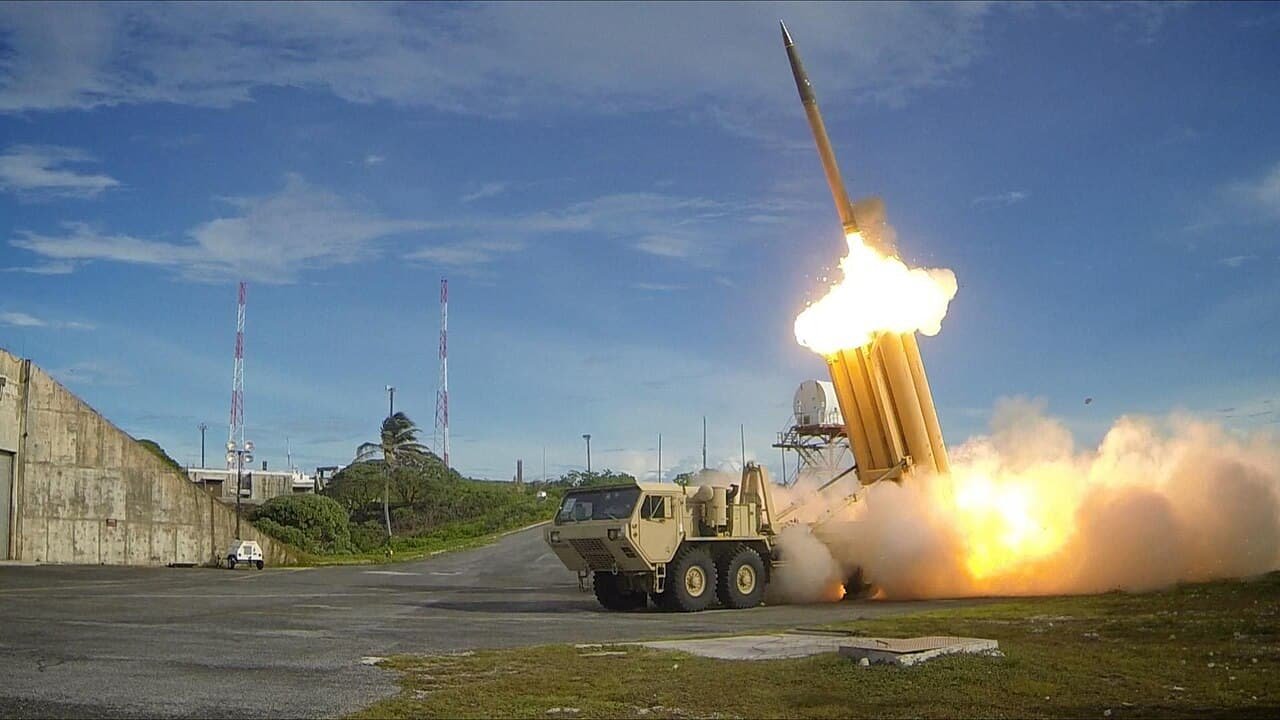
Iran launched ballistic missiles targeted at Kuwait and Bahrain on Thursday evening. American air defense systems intercepted all of them before they reached their targets. No casualties were reported from the attempted strikes. CENTCOM simultaneously announced that U.S. forces shot down four Iranian drones and conducted strikes against Iranian radar installations in retaliation for the launch.
The exchange follows a week of similar back-and-forth: the IRGC struck Kuwait’s airport on June 3, the U.S. struck Qeshm Island radar infrastructure, Iran launched missiles, the U.S. intercepted and struck back. The pattern is now consistent enough to be characterized as a managed escalation — both sides conducting strikes that fall below the threshold of full-scale resumption of the war’s opening phases, while maintaining enough military pressure to influence the ongoing negotiations.
The significant development within the Iran story on Thursday was not military. It was diplomatic. IAEA Director General Rafael Grossi — who had previously said any deal without nuclear inspection provisions would be an illusion of an agreement — indicated publicly on Thursday afternoon that the United States and Iran appear to be close to agreeing on a nuclear framework. Grossi’s statements are carefully measured. His indication of proximity carries weight precisely because he has been the most skeptical of deal frameworks that leave nuclear verification incomplete.
| Thursday’s Two Stories — Key Facts | Detail |
|---|---|
| Immigration bill Senate vote | 52-48 — party line |
| Total funding | $170 billion over 4 years |
| ICE / deportation expansion | Primary allocation |
| Homeland Security cyber/tech | $12 billion |
| State and local law enforcement grants | $8 billion |
| Bill next destination | House of Representatives |
| Prior obstacle to Senate vote | Anti-Weaponization Fund (killed June 3) |
| Iranian missiles launched Thursday | Targeted Kuwait and Bahrain |
| Missiles intercepted | All — no casualties |
| US response | 4 drones shot down + Iranian radar sites struck |
| IAEA Grossi statement | US and Iran close to nuclear framework agreement |
| Strait of Hormuz status | Still closed to commercial shipping |
| Iran war day count | Day 97 |
Why Both Stories Will Define the Summer
The immigration enforcement bill is now the law’s most significant domestic policy action since the One Big Beautiful Bill. Its passage gives the Trump administration the largest enforcement appropriation in history to pursue its immigration priorities — more detention beds, more deportation resources, more border infrastructure — heading into a midterm election cycle where immigration ranks among the top three voter concerns in every national poll.
The Iran military exchanges continue without resolution. But Grossi’s indication that a nuclear framework is close reintroduces the possibility that the prolonged negotiations might be approaching an actual endpoint rather than another cycle of near-deal-and-collapse. A nuclear framework agreement — even a preliminary one that defers specifics to further negotiation — would give the IAEA the inspection access it has been denied since the June 2025 strikes first damaged Iran’s nuclear facilities. That inspection access is the information gap that has made it impossible to verify the actual state of Iran’s nuclear program after more than a year of conflict.
Both stories — the $170 billion enforcement bill and the possibility of a nuclear deal — will shape the political and economic landscape of the next six months in ways that are not yet fully calculable. The Senate voted. The missiles flew. The diplomat said they were close. Thursday contained all three.