
DUBAI, May 17, 2026 —
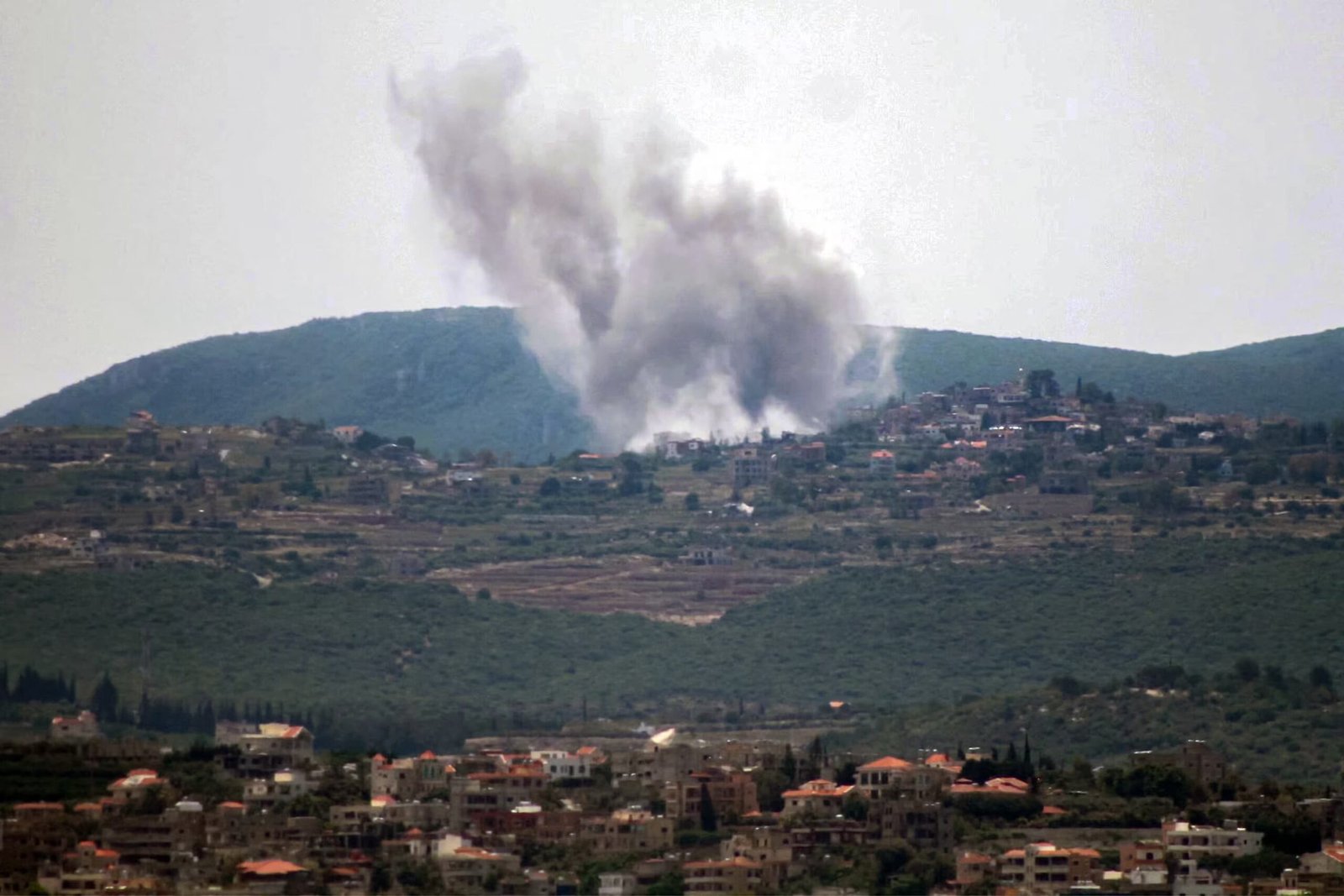
A drone struck an electrical generator on the outer perimeter of the United Arab Emirates’ only nuclear power plant early Sunday morning, setting it ablaze and sending the world’s most fragile ceasefire one step closer to collapse.
No one has claimed responsibility. No radiation was released. No one was injured. And yet the strike on the Barakah Nuclear Energy Plant in Abu Dhabi’s Al Dhafra region may be the most consequential event of the entire Iran war — not because of the damage it caused, but because of where it hit and what it signals about the weeks ahead.
What Happened at Barakah — and What Was Spared
The strike ignited a fire in an external electrical generator located outside the inner perimeter of the Barakah plant. Abu Dhabi’s media office confirmed the incident Sunday morning and said emergency teams extinguished the fire. The Federal Authority for Nuclear Regulation confirmed that the plant’s essential systems were unaffected, all four reactor units continued operating normally, and radiological safety levels at the site remained unchanged.
The IAEA director general expressed what he called grave concern and said military activity threatening nuclear safety was unacceptable, calling for maximum military restraint near any nuclear facility worldwide.
The Barakah plant generates 40 terawatt hours of clean electricity annually — roughly 25% of the UAE’s total power supply. It is the Arab world’s first operational nuclear power station. Striking its external generator while leaving the reactors intact is either a precise warning shot or a failed attack on a more critical target. Neither interpretation is reassuring.
Iran Is the Unspoken Suspect — and the UAE Knows It
No one named Iran publicly on Sunday. The UAE’s media office did not assign blame. But the context is unambiguous.
Iran struck UAE targets multiple times in the weeks following the conditional ceasefire agreed April 8. Tehran had been escalating pressure on Gulf states it accused of hosting Israeli Iron Dome missile defense batteries and U.S. military personnel. The UAE was specifically among the targets Tehran threatened most explicitly after American and Israeli forces used Emirati territory as a staging point during earlier phases of the Iran war.
The ceasefire itself has been deteriorating rapidly. After the April 8 agreement, Iran resumed strikes on UAE targets in early May. On May 5, Trump announced that a planned military operation called Project Freedom would be paused. On May 7, U.S. and Iranian forces exchanged fire as American vessels transited the Strait of Hormuz. By May 9, Tehran handed Washington a reply to its latest peace proposal — and Trump dismissed it as “totally unacceptable,” warning the ceasefire was on “life support.”
Sunday’s drone strike at a nuclear facility is what happens when a ceasefire on life support stops getting the medicine it needs.
The Strait, the Ceasefire, and the $29 Billion War
The Iran war has cost American taxpayers at least $29 billion in direct operational expenses, according to Pentagon testimony delivered to Congress on May 12. That figure does not include damage to U.S. military assets, long-term veteran care costs, or the indirect economic damage from the Strait of Hormuz closure — which has kept approximately 20% of global oil supply off the market since late February and pushed U.S. gas prices from $2.98 to $4.50 per gallon.
Iran’s supreme leader Ali Khamenei was killed in the opening strikes of the war on February 28. His son has been appointed as successor and has shown no sign of capitulating to American demands for unconditional surrender. The Strait remains effectively closed to commercial traffic. The ceasefire is nominal. And now a drone has fired on the Arab world’s only nuclear power plant.
The IAEA’s call for restraint near nuclear facilities carries historic weight. The organization has never before had to issue such a warning in an active conflict involving a nation with functioning civilian reactors. The precedent being set — that nuclear infrastructure is a legitimate or at least acceptable strike target in a regional war — will outlast whatever agreement eventually ends this conflict.
| Barakah Nuclear Plant Strike — Key Facts | Detail |
|---|---|
| Date of strike | May 17, 2026 |
| Target | External electrical generator, Barakah perimeter |
| Radiation release | None confirmed |
| Injuries | None reported |
| Plant operational status | All four units running normally |
| Responsibility claimed | None — Iran suspected |
| IAEA response | Director general expressed grave concern |
| Barakah electricity share (UAE) | 25% of national supply |
| Iran ceasefire status | Officially in effect; functionally collapsing |
| Iran war operational cost (U.S.) | At least $29 billion (Pentagon, May 12) |
Trump Has Not Yet Responded. The Next 48 Hours Will Define the War’s Next Phase.
As of Sunday afternoon, no statement had been issued by the White House, the Pentagon, or the State Department specifically addressing the Barakah strike. Trump was returning to domestic politics after his Beijing summit. The administration had promised that any Iranian resumption of hostilities would be met with overwhelming force.
The ceasefire has been strained to the point of fiction. A drone on a nuclear plant’s perimeter is not a technical violation that lawyers can argue around. It is a direct message from whoever fired it — that no target in the Gulf is truly off limits, that the ceasefire’s terms mean whatever Tehran decides they mean on any given morning, and that the window for a negotiated resolution is closing faster than Washington is moving to close it.
Whether Trump treats Sunday’s strike as the final provocation or absorbs it as he has absorbed the others will determine whether the Iran war enters its next and most dangerous phase before the month is out.