
WASHINGTON, APRIL 20, 2026 —
Key Takeaways
- The 30-year fixed mortgage rate stands at 6.30% as of mid-April 2026 — down from a near-term peak of 6.5% in late March but still more than double the pandemic-era rates that reshaped the market in 2020 and 2021. Fannie Mae now projects rates will stay between 6.1% and 6.3% through the rest of the year.
- Home prices rose 2.8% year-over-year in Q1 2026 — faster than the 2.6% previously forecast — and Fannie Mae has revised its full-year outlook upward, projecting 3.4% growth in Q2, 3.8% in Q3, and 3.2% in Q4. The Iran war’s energy shock and interest rate uncertainty accelerated the revisions.
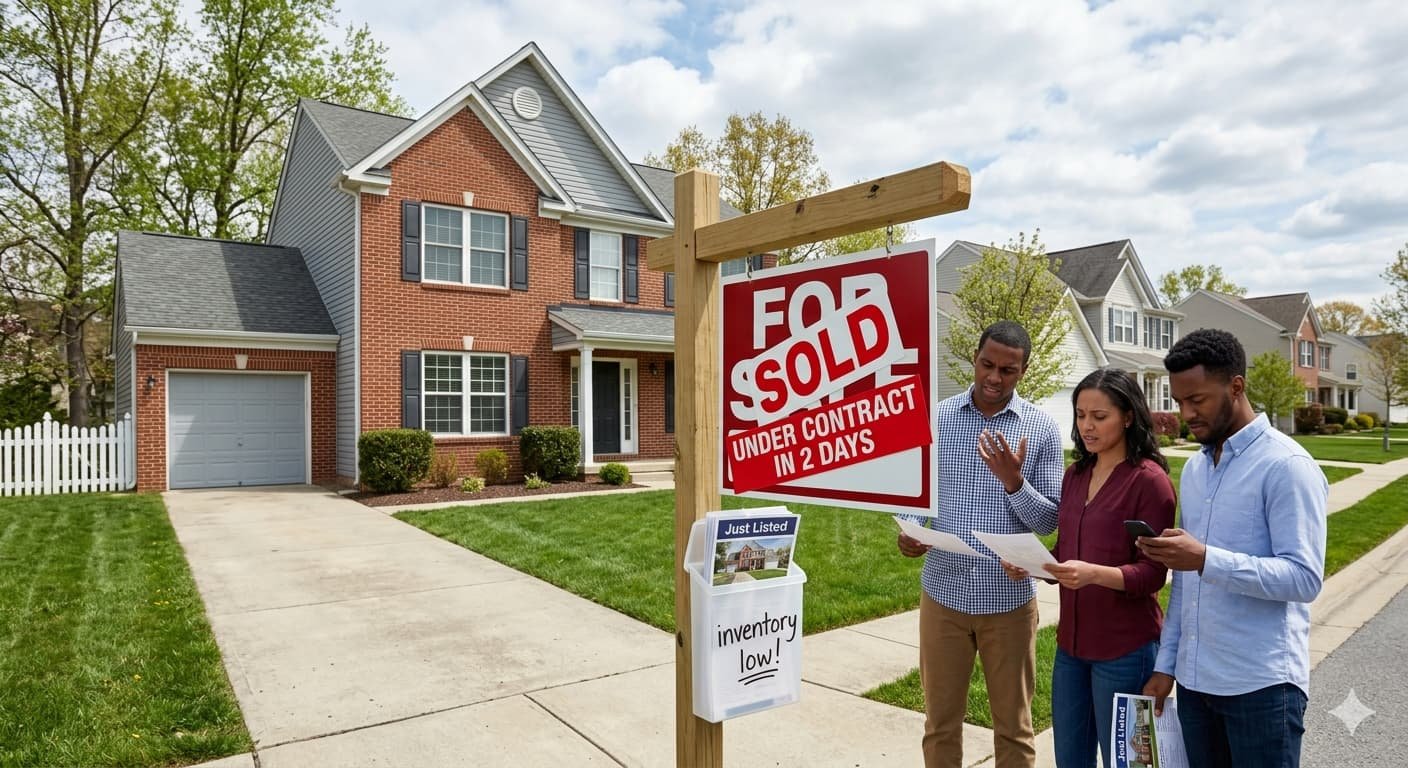
- The housing market’s central problem has not changed since 2022: millions of existing homeowners locked in at 3% rates have no financial incentive to sell, keeping inventory tight, keeping prices elevated, and keeping first-time buyers frozen out of the market at the exact moment affordability was supposed to be improving.
The American dream of homeownership is not dead in 2026. But for millions of Americans — particularly first-time buyers, young families, and those without substantial existing equity — it has been deferred to a future year that keeps getting pushed further away.
The Iran war changed the housing forecast more dramatically than anything since the Federal Reserve’s rate hike cycle began in 2022. Before February 28, Fannie Mae’s economists projected the 30-year fixed mortgage rate would fall to 5.7% in 2026 — a level that would have meaningfully reopened the market to buyers who have been sitting on the sidelines for three years waiting for relief. Then the war began, oil prices spiked, inflation expectations jumped, and the Federal Reserve shelved its rate-cutting plans. Rates climbed for five consecutive weeks before pulling back slightly in April. The 5.7% forecast became 6.3% overnight.
That 0.6 percentage point difference sounds small. On the median-priced American home of approximately $415,000 with a 20% down payment, it translates to an extra $185 per month in mortgage payments — more than $2,200 per year — on top of what was already the most expensive financing environment in a generation.
What Rates Are Actually Doing Right Now
Freddie Mac’s most recent weekly survey put the 30-year fixed rate at 6.30% as of April 16 — a four-week low and a meaningful improvement from the near-6.5% peak in late March. The 15-year fixed rate sits at 5.74%, and FHA loans — which allow lower down payments and accept lower credit scores — are averaging 6.07%, the most affordable conventional financing option for buyers who qualify.
The April improvement reflects the same diplomatic optimism that drove stock markets to record highs last week. When Iran briefly announced the Strait of Hormuz was open, bond markets moved, Treasury yields dipped, and mortgage rates followed. The reversal — Iran closing the Strait again, the Touska seizure, ceasefire uncertainty — will likely push rates slightly back up in the coming week as bond market volatility resumes.
Fannie Mae’s April forecast, updated based on March 31 data before the most recent diplomatic swings, projects the 30-year rate at 6.3% for Q2, then 6.1% for the remainder of 2026 and through 2027. That trajectory assumes the Iran war resolves and the Fed makes its one projected rate cut in the second half of the year. If neither happens, rates stay higher for longer.
| Mortgage Rate Snapshot — April 2026 | Rate |
|---|---|
| 30-year fixed (Freddie Mac, Apr 16) | 6.30% |
| 15-year fixed | 5.74% |
| 30-year FHA | 6.07% |
| 30-year jumbo | 6.56% |
| Rate at pandemic low (Jan 2021) | 2.65% |
| Rate at recent peak (Oct 2023) | 7.79% |
| Fannie Mae Q2 2026 forecast | 6.30% |
| Fannie Mae Q3–Q4 2026 forecast | 6.10% |
Home Prices: Rising Faster Than Expected
The housing market’s other painful number — home prices — has also moved in the wrong direction for buyers. Fannie Mae’s revised April forecast projects home prices will rise 3.4% in Q2, 3.8% in Q3, and 3.2% in Q4 of 2026 — significantly above its earlier projections of 3.0%, 3.1%, and 2.4% respectively.
The upward revision reflects a simple supply and demand reality. When interest rates stay high, homeowners with low locked-in mortgages don’t sell. When they don’t sell, inventory stays constrained. When inventory is constrained and buyers who can afford to buy compete for a limited pool of homes, prices rise even in an environment of reduced overall demand. The math of the locked-in effect has defied every prediction that higher rates would cool prices.
The Northeast and Midwest are seeing the sharpest price gains — 3% to 4% appreciation annually — driven by tight inventory and strong labor markets in cities like Hartford, Rochester, Columbus, and Indianapolis. These markets, which were historically more affordable, have become the destinations of choice for buyers priced out of coastal markets, and the resulting demand pressure is pushing prices up faster than anywhere else in the country.
The Sun Belt markets that led the pandemic-era boom — Phoenix, Austin, Tampa, Atlanta — have cooled considerably as pandemic-era migration slows and insurance costs in hurricane and wildfire zones add thousands of dollars annually to the true cost of homeownership that doesn’t show up in the listing price.
The Lock-In Problem — And When It Might End
The single most important structural force shaping the housing market in 2026 is not inflation, not the war, and not Federal Reserve policy. It is the lock-in effect — roughly 60% of American homeowners carry mortgages with rates below 4%, and the financial penalty for selling and taking out a new mortgage at 6.3% is severe enough that millions of households are staying put even when life circumstances — job changes, growing families, retirement — would ordinarily prompt a move.
J.P. Morgan estimates that a one percentage point drop in mortgage rates expands the pool of households who can realistically afford to buy by approximately 5.5 million, including 1.6 million renters who would become first-time buyers. That unlocking hasn’t happened yet because rates haven’t fallen enough. At 6.3%, the financial case for selling a 3% mortgage is still extremely weak for most homeowners. At 5.5%, it starts to make sense for some. At 5%, it makes sense for many.
None of the major forecasts expect rates to reach 5% in 2026. The earliest realistic timeline for a sustained move toward 5% is 2027 or 2028, and only if the Federal Reserve cuts rates multiple times — something that requires inflation returning to 2% and the job market softening enough to justify easing. Neither condition is currently met.
For Buyers in This Market — What Actually Helps
Waiting for a dramatic improvement in affordability is a reasonable choice for some households but a costly one for others. Home prices are still rising. Rents in most major markets remain elevated. And buyers who wait for 5% mortgage rates may find that home prices have appreciated another 8% to 12% by the time those rates arrive.
The tools that actually move the affordability needle in this environment are specific. FHA loans remain 0.2 to 0.3 percentage points cheaper than conventional loans for buyers who qualify, and require only 3.5% down. Adjustable-rate mortgages are pricing lower than fixed rates for buyers who plan to sell or refinance within 5 to 7 years. Builder buydowns — in which homebuilders pay upfront to reduce a buyer’s rate by 1 to 2 percentage points for the life of the loan — are available on new construction inventory in markets where builders are trying to move unsold homes. And Midwest and secondary Northeast markets continue to offer home prices 30% to 50% below coastal equivalents for buyers with location flexibility.
The housing market of 2026 rewards patience, preparation, and geographic flexibility. It punishes waiting for a national affordability reset that the data does not support arriving any time soon.