
WASHINGTON, APRIL 2, 2026 —
Key Takeaways
- Goldman Sachs raised the probability of a U.S. recession in the next 12 months to 30% — while the OECD projects U.S. inflation will hit 4.2% in 2026, the highest in the G7, directly because of the Iran war’s impact on oil markets
- The S&P 500 just posted its fifth straight week of losses — down 6.8% for March — its worst monthly performance since December 2022, as markets price in a growing stagflation scenario
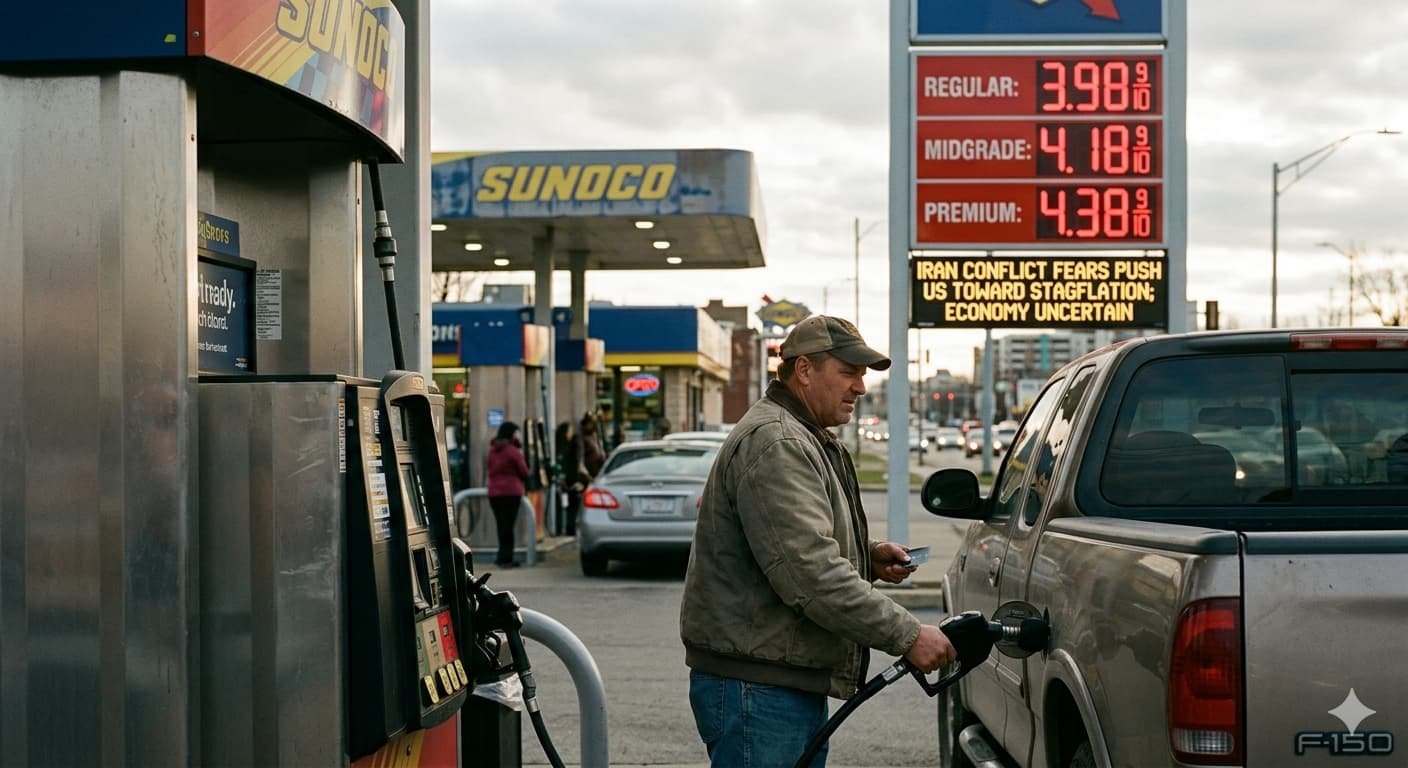
- Gas prices hit $3.98 per gallon nationally as of March 31 — up $1.00 in a single month — while diesel hit $5.37, directly driving up the cost of groceries, shipping, and virtually everything Americans buy
The word economists dread most — stagflation — is back. And this time, it is not a theoretical risk on a projection model. It is happening in real time, in the data, in your gas tank, and in your grocery bill. Understanding what it means and what it does to your finances is the most important economic briefing you can read right now.
What Stagflation Is — and Why It Is So Dangerous
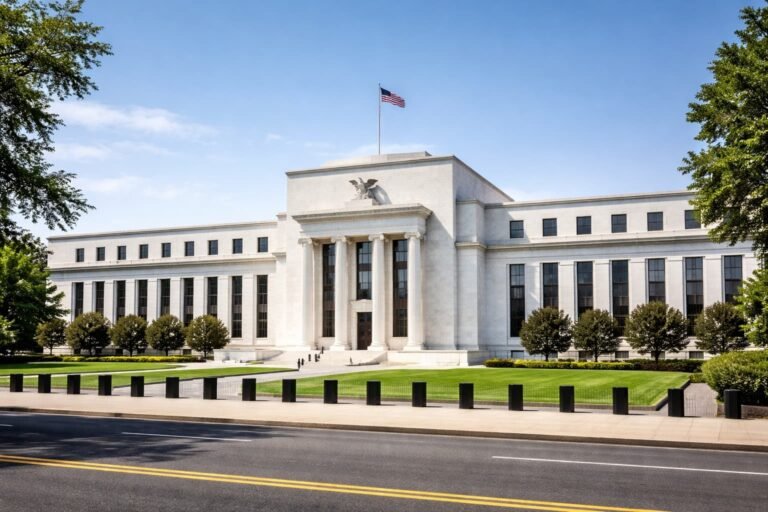
Stagflation is the combination of three simultaneous economic conditions that should not theoretically occur together: high inflation, stagnant economic growth, and rising unemployment. The reason it is so dangerous is that the Federal Reserve’s standard tools cannot fix all three at once. Raising interest rates fights inflation but slows growth and raises unemployment. Cutting rates stimulates growth and employment but accelerates inflation. When all three problems arrive at the same time, the Fed is trapped.
The United States last experienced serious stagflation in the 1970s — triggered by the 1973 OPEC oil embargo. It took a decade of painful high interest rates under Federal Reserve Chair Paul Volcker to bring inflation under control, at the cost of two recessions and unemployment above 10%.
The current situation is not yet that severe. But the direction of travel is deeply concerning.
Where the U.S. Economy Stands Right Now
Iran War Economic Impact — April 2026
| Indicator | Before Iran War (Feb 28) | Current | Change |
|---|---|---|---|
| Brent crude oil | ~$72/barrel | ~$110/barrel | +53% |
| National gas average | $2.92/gallon | $3.98/gallon | +$1.06 |
| Diesel price | $3.75/gallon | $5.37/gallon | +$1.62 |
| OECD U.S. inflation forecast 2026 | ~3.0% | 4.2% | +1.2 points |
| Goldman Sachs recession odds | ~15% | 30% | Doubled |
| S&P 500 March performance | — | -6.8% | Worst since Dec 2022 |
| U.S. PMI-implied GDP growth | ~2.5% | ~1.0% annualized | Sharp slowdown |
| Fed rate cut probability 2026 | High | Now 31% chance of zero cuts | Reversed |
Why This Is Different From Normal Inflation
The inflation of 2021 to 2023 was driven by demand — too much money chasing too few goods after the pandemic. The Federal Reserve could fight it by raising interest rates to cool spending.
The inflation of 2026 is driven by supply — specifically, the near-total closure of the Strait of Hormuz, which normally carries 20% of the world’s seaborne oil. Raising interest rates cannot reopen the strait. Cutting rates cannot replace the lost energy supply. There is no monetary policy tool that fixes a physical blockade of the world’s most critical energy chokepoint.
S&P Global’s chief business economist summarized the U.S. economy’s current position bluntly: PMI data show GDP growing at an annualized rate of just 1%, while price gauges point to inflation heading toward 4% — a combination that is “hinting at a growing risk of stagflation.”
The Fed is now trapped in exactly the bind that makes stagflation so destructive. Futures markets on Thursday placed the probability of zero Federal Reserve rate cuts in 2026 at 31% — a dramatic reversal from just weeks ago when two cuts were widely expected. Some traders are now pricing in a rate hike, the first time that possibility has crossed a 50% threshold since the Iran war began.
What This Costs Your Household
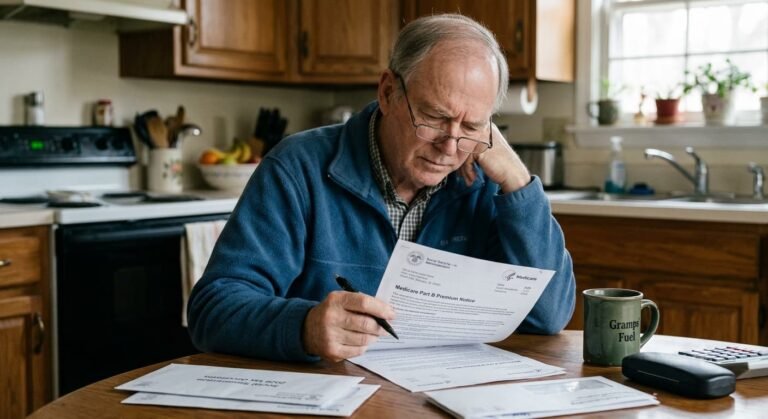
The numbers at the macro level translate directly into your budget. The $1.06 increase in gas prices since the war began adds approximately $600 to $900 per year to the average American household’s fuel costs depending on how much you drive. Diesel at $5.37 per gallon — up $1.62 in a month — drives up costs across the entire supply chain, because nearly everything Americans buy is moved by diesel-powered trucks. Groceries are getting more expensive. Goldman Sachs estimates Iran war disruptions to fertilizer supply chains will push U.S. food prices up 1.5% this year. Airlines have announced fuel surcharges. The U.S. Postal Service added a temporary 8% postage surcharge. Every package you order, every grocery you buy, every flight you take is carrying a war premium.
What This Means For You
The most practical thing any American can do right now is reduce variable expenses while you have the option. Build up a cash buffer — if a recession hits and unemployment rises, having 3 to 6 months of expenses in savings provides the margin that most households lack. Avoid taking on new variable-rate debt — if the Fed raises rates, adjustable mortgages and credit card balances become more expensive. If you are planning a major purchase, especially a vehicle, consider that used car prices are already rising as fuel costs make older fuel-efficient models more attractive.
The Iran war may end in two weeks as Trump claims — or it may grind on for months. But the economic damage from the first 33 days is already locked in. Inflation will not reverse instantly when the Strait reopens. Supply chains will take months to normalize. The question is not whether your household will feel this — it already is. The question is whether you are positioned to absorb it.