
ATLANTA, MARCH 31, 2026 —
He flew to Atlanta. He handed out gift cards. He told the men and women working six weeks without pay that he saw them and he wanted to help. And then the federal government told those same workers to give the money back.
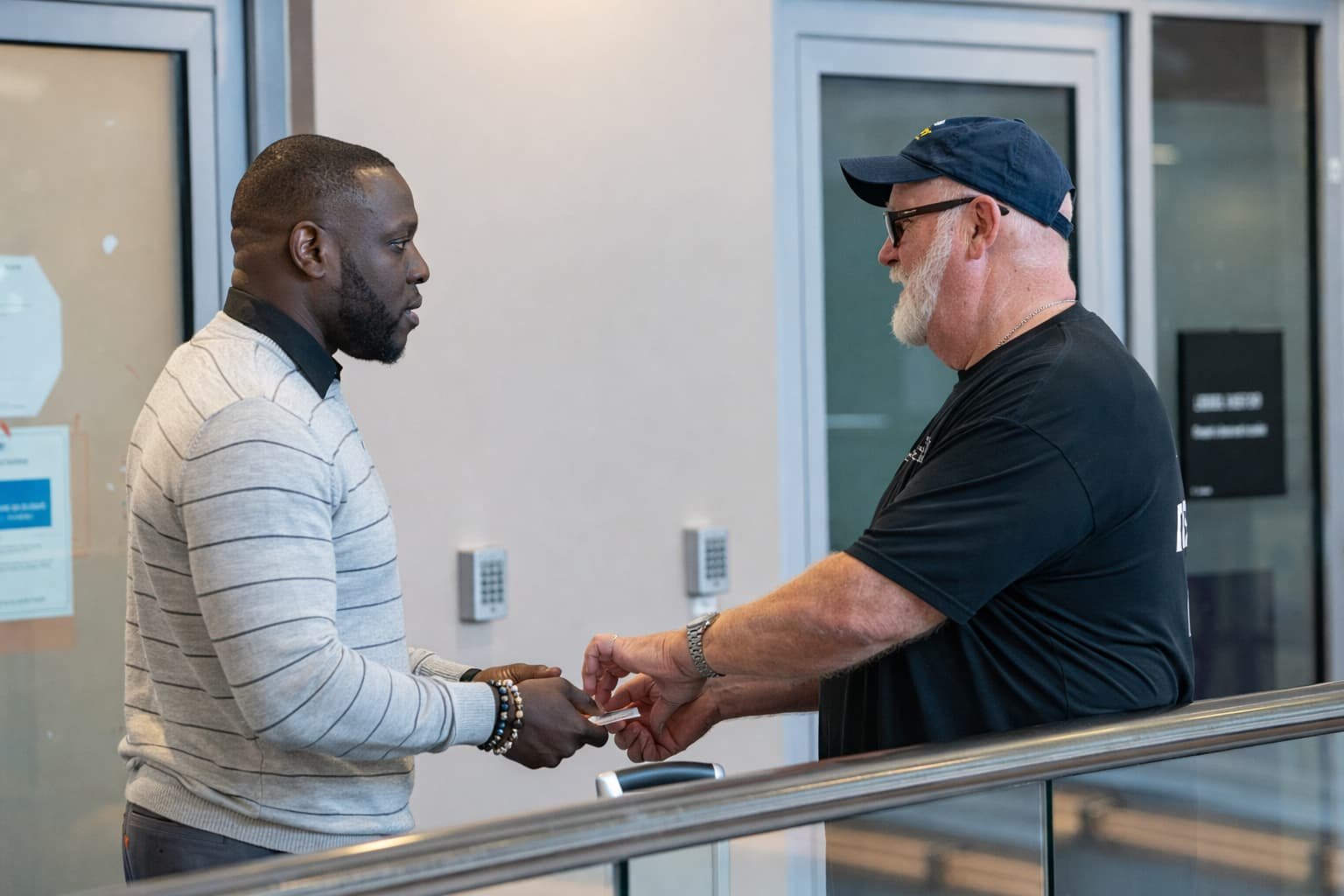
Tyler Perry — the filmmaker, actor, and philanthropist worth an estimated $1 billion — traveled to Hartsfield-Jackson Atlanta International Airport this week and personally distributed $1,000 Visa gift cards to TSA workers who have been working without reliable pay since the partial government shutdown began on February 14. The gesture was spontaneous, personal, and exactly the kind of human response to a human crisis that viral moments are made of.
Within days, TSA management informed workers they were required to return the gift cards. Federal ethics rules prohibit government employees from accepting gifts valued above $20 from members of the public. The rule exists to prevent bribery and conflicts of interest — laudable goals that apply with jarring awkwardness to a billionaire handing $1,000 to a security screener who has received eviction notices because Congress cannot pass a budget.
Why the Rule Exists — And Why It Feels Wrong Here
The federal gift rule, codified in 5 C.F.R. Part 2635, is unambiguous. Federal employees cannot accept gifts worth more than $20 from any single source in a calendar year. The rule makes no exception for financial hardship, congressional negligence, or philanthropic intent. It treats a $1,000 gift card from Tyler Perry and a $1,000 envelope from a defense contractor with identical suspicion — because the law has no mechanism to distinguish between the two.
TSA workers who received the gift cards and then learned they must return them expressed a range of emotions that fell somewhere between resignation and despair. One Atlanta-based TSA officer, speaking to CNN anonymously, said she had already used $200 of the gift card to buy groceries. She now faces the prospect of returning a card with a reduced balance while figuring out how to replace the food she has already eaten.
Perry, who grew up in poverty in New Orleans and has spoken extensively about his own experiences with financial hardship, has not commented publicly on the return order. His production company did not respond to media requests by publication time.
The Broader Context — What Six Weeks Without Pay Actually Looks Like
The gift card story would be a minor bureaucratic footnote if it were not arriving against the backdrop of the most documented federal employee financial crisis in recent American history. In six weeks of the DHS shutdown, TSA workers have collectively worked without timely pay for 87 days in fiscal year 2026. The agency’s own testimony to Congress estimated nearly $1 billion in delayed wages. More than 500 officers quit — each requiring four to six months and roughly $18,000 in training costs to replace. Callout rates at major airports hit 55%.
Trump signed an executive order Monday directing DHS to resume TSA payroll. Whether that order is legally sufficient — given that federal payroll is constitutionally a congressional appropriation function — remains contested. DHS confirmed workers would begin receiving paychecks Monday, March 30. For the workers who received Tyler Perry’s gift cards and then received orders to return them, the timing carried its own bitter symmetry: the government finally found a way to pay them, the same week it found a way to take back the only private help they had received.
What the Law Could Have Done — And What Congress Has Not Done
Several legal experts and union officials noted Monday that there are existing mechanisms for waiving the federal gift rule in extraordinary circumstances — but that TSA management apparently chose strict enforcement over discretionary exception. The American Federation of Government Employees, which represents TSA workers, said in a statement that the situation highlighted the “absurd and cruel” consequences of applying peacetime bureaucratic rules to what has been, in practical terms, a humanitarian emergency.
Tyler Perry’s $1,000 gift cards did not create a conflict of interest. They did not compromise any TSA officer’s professional judgment about aviation security. They fed families and prevented evictions. The rule that requires their return is the same rule that, applied in this context, has made the federal government look exactly as tone-deaf as eight to nine million Americans who marched on Saturday said it does.