
WASHINGTON, MARCH 30, 2026 —
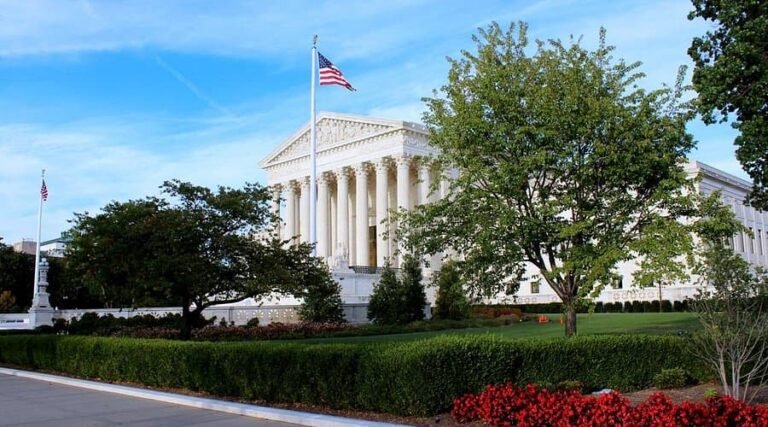
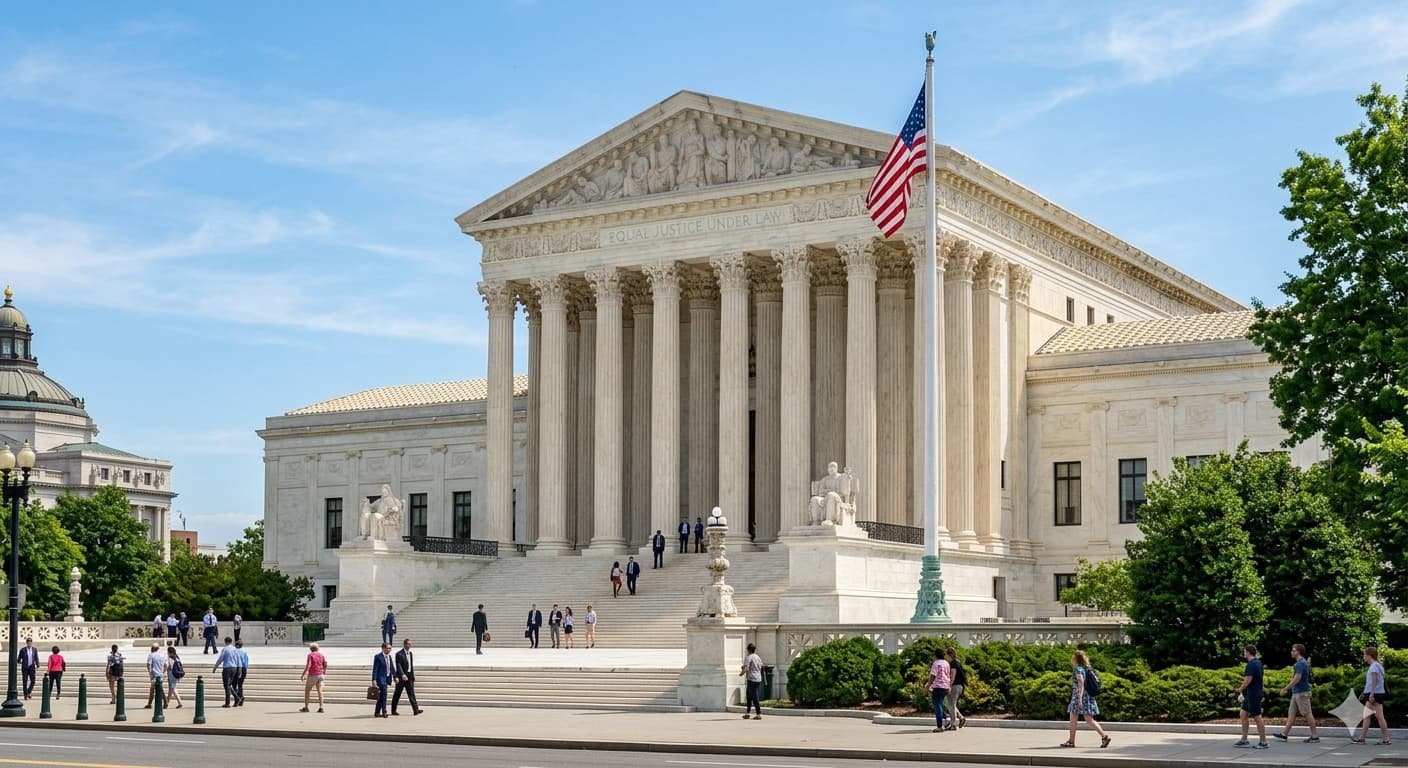
On Tuesday morning, the Supreme Court of the United States will hear oral arguments in a case that could fundamentally alter who gets to be an American. The question before the nine justices is not a small one — it is whether a right enshrined in the 14th Amendment to the Constitution, interpreted consistently for more than 150 years, protected by multiple Supreme Court precedents, and extended to the children of millions of immigrants, can be rewritten by executive order.
Trump signed an executive order on his first day back in office in January 2025 attempting to end automatic birthright citizenship for children born on U.S. soil to parents who are in the country illegally or on temporary visas. Federal courts in at least five jurisdictions immediately blocked the order, with judges across the ideological spectrum finding it almost certainly unconstitutional on its face. The Supreme Court’s decision to hear the case — combined with its 6-3 conservative supermajority — has made this week’s oral arguments the most closely watched constitutional moment since Dobbs v. Jackson Women’s Health Organization ended the federal right to abortion in 2022.
What the 14th Amendment Actually Says
The text of the 14th Amendment, ratified in 1868, is unambiguous: “All persons born or naturalized in the United States, and subject to the jurisdiction thereof, are citizens of the United States and of the State wherein they reside.” The phrase “subject to the jurisdiction thereof” is the legal battleground of the current case. For 157 years, courts have interpreted that phrase to include virtually everyone born on U.S. soil, with narrow exceptions for children of diplomats and invading foreign forces — neither of which is a significant population.
The Trump administration’s argument rests on a reinterpretation of that phrase. It contends that “subject to the jurisdiction thereof” means fully subject — meaning people in the country without authorization, or on temporary visas, retain allegiance to their home country and therefore their U.S.-born children should not automatically receive citizenship. Critics of this argument note that it has been rejected by every court that has examined it, directly conflicts with the Supreme Court’s 1898 ruling in United States v. Wong Kim Ark, and would require the court to overturn a precedent that has shaped American identity for more than a century.
Who Gets Affected — The Numbers
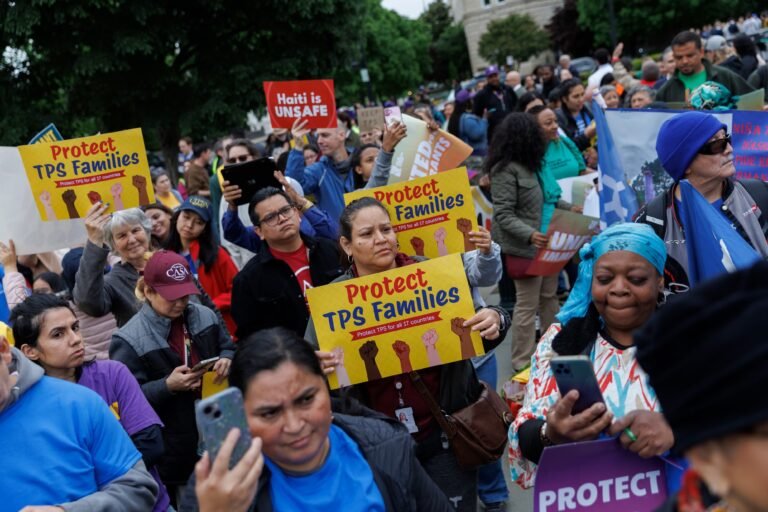
The practical stakes of a ruling in the administration’s favor are staggering. Approximately 150,000 to 200,000 children are born in the United States every year to parents who are undocumented immigrants. Another significant number are born to parents on temporary visas — tourist visas, student visas, work visas, and other temporary immigration statuses. Under the administration’s executive order, none of those children would automatically be U.S. citizens from birth.
The downstream consequences compound quickly. Children denied citizenship would be stateless in many cases — unable to claim citizenship in their parents’ home country because they were born in the United States, and unable to claim U.S. citizenship under the new rule. Legal scholars have described this as one of the most serious humanitarian concerns with the administration’s position. Statelessness denies children access to education, healthcare, social services, passports, and the fundamental protections of citizenship in any country.
How the Court Might Rule
Constitutional law scholars watching the case closely are divided on the outcome — but the division is not evenly split. The majority view among legal academics is that the 14th Amendment’s text, its original purpose of extending citizenship to formerly enslaved people and their descendants, and 157 years of consistent interpretation make it extremely difficult for even a conservative court to rule in the administration’s favor on the merits.
The more unpredictable question is procedural. Several of the appeals now before the Supreme Court involve the administration’s challenge to the use of nationwide injunctions — court orders that block a policy from taking effect anywhere in the country, issued by a single federal judge. The Court may use Tuesday’s arguments to address whether nationwide injunctions are a valid judicial tool — a narrower ruling that could have significant implications for how future administrations are held in check without directly deciding the birthright citizenship question on its merits.
A ruling is expected by late June, when the Court typically concludes its term.