
WASHINGTON, MARCH 26, 2026 —
The ceasefire optimism that briefly lifted Wall Street and pushed oil below $100 this week ran into a wall Wednesday. Iran rejected America’s 15-point plan to end the war, called it “extremely maximalist and unreasonable,” and fired back with five conditions of its own — including war reparations from the United States and permanent Iranian sovereignty over the Strait of Hormuz. The White House insists talks are still productive. Tehran insists no talks are happening at all.
Both things cannot be true. And the gap between them is now the most dangerous space in global diplomacy.
What Iran Said
Iran’s state broadcaster Press TV, citing an anonymous senior official, delivered the rejection Wednesday in language that left little room for ambiguity. “Iran has responded negatively to an American proposal aimed at ending the ongoing imposed war,” the official said. “The end of the war will occur when Iran decides it should end, not when Trump envisions its conclusion.”
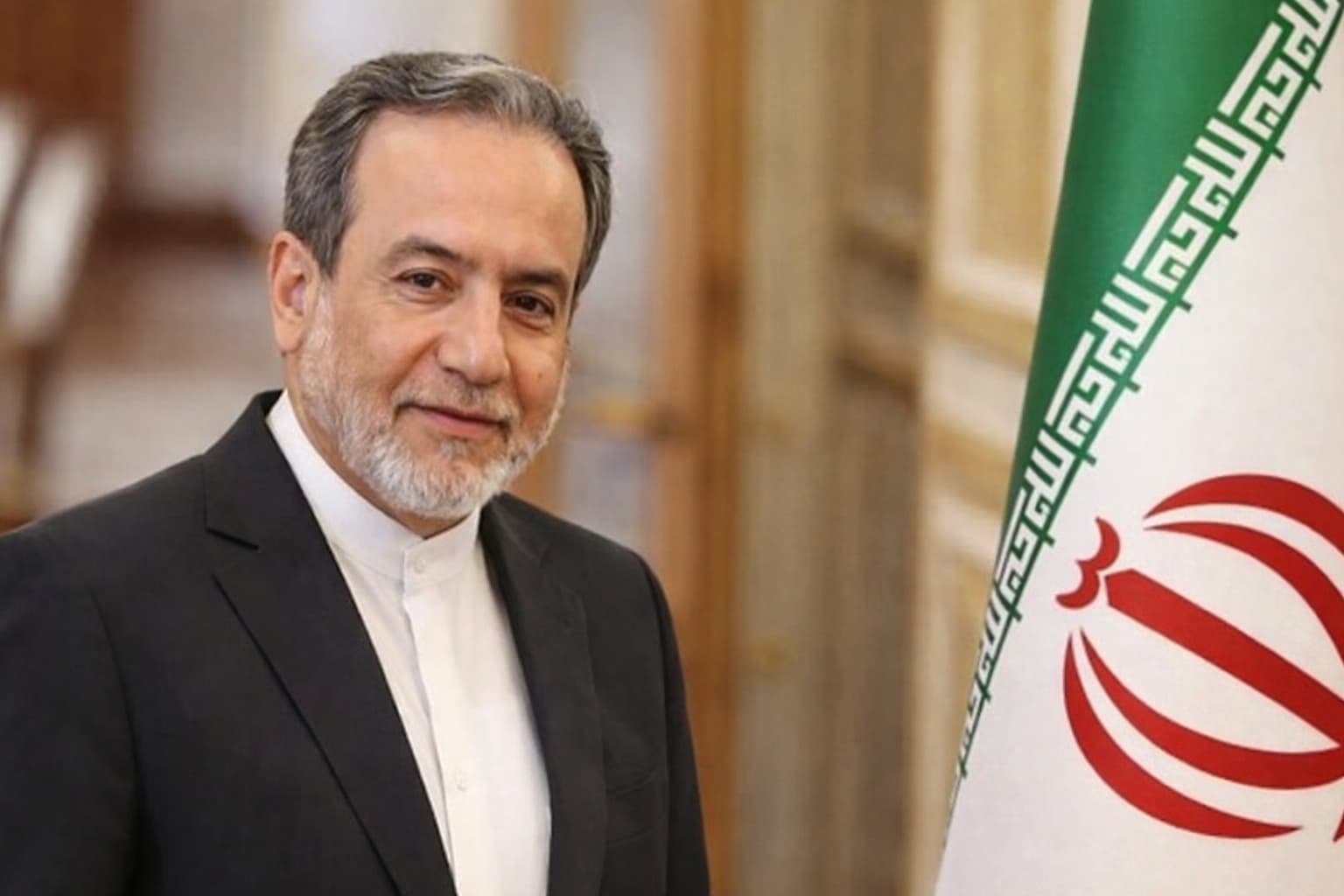
Iranian Foreign Minister Abbas Araghchi went further in a state television interview, saying his government had not engaged in any negotiations to end the war — “and we do not plan on any negotiations.” He described Washington’s pivot toward diplomacy as an acknowledgment of failure, saying the shift in tone amounted to an admission that the previous demand for Iran’s “unconditional surrender” was unachievable.
A high-ranking diplomatic source told Al Jazeera that Tehran described the U.S. proposal as “extremely maximalist and unreasonable” — and added, with unusual directness: “It is not beautiful, even on paper.”
What America Offered — and What Iran Wants Instead
The 15-point U.S. plan, transmitted to Iran through Pakistan, addressed five core issues: sanctions relief, a rollback of Iran’s nuclear program, limits on its ballistic missile arsenal, restrictions on support for regional proxy groups, and a conditional reopening of the Strait of Hormuz. The White House has declined to publicly confirm the plan’s contents. White House Press Secretary Karoline Leavitt said only that some media reporting contained “elements of truth” alongside inaccuracies.
Iran’s five-point counteroffer, outlined through Press TV, laid out its own vision for ending the war:
| Iran’s Condition | U.S. Acceptability |
|---|---|
| Complete halt to all U.S. and Israeli attacks and assassinations | Possible — but tied to Iran’s nuclear commitments |
| Mechanisms to ensure the war does not resume | Negotiable in principle |
| Payment of war reparations and damages | 🔴 Non-starter for Washington |
| End to all attacks on Hezbollah and pro-Iranian militias in Iraq | 🔴 Conflicts with Israel’s core war aims |
| International recognition of Iran’s sovereignty over the Strait of Hormuz | 🔴 Non-starter — U.S. views strait as international waters |
The gap between the two positions is not narrow. Iran is demanding reparations — payment from the country that bombed it. Iran is demanding permanent control over a waterway that carries 20% of the world’s oil and that the United States views as international waters by definition. And Iran is demanding an end to attacks on the very proxy network that Hezbollah and Iraqi militias represent — the elimination of which is one of Operation Epic Fury’s stated objectives.
The White House Pushes Back
Press Secretary Leavitt held the line at Wednesday’s briefing, insisting the talks had not hit a dead end. “Talks continue. They are productive, as the president said on Monday, and they continue to be,” she said. She added a warning that if talks fail, Trump “will ensure they are hit harder than they have ever been hit before.”
Trump himself addressed the contradiction between his description of productive talks and Iran’s denial that any talks exist. “They want to make a deal so badly,” he told reporters, “but they’re afraid to say it” for fear that Iranian officials who negotiated would be killed by hardliners within their own government.
The explanation is not implausible. Iran’s Consulate General in Mumbai posted on social media that Iran “will not allow Trump to determine the timing of the war’s end” — a statement that reads more like domestic political messaging than a genuine closing of the diplomatic door.
Day 26 — The War Continues
None of the diplomatic turbulence halted the fighting. Iran launched a wave of attacks on Gulf states Wednesday that sparked a large fire at Kuwait International Airport. The UAE intercepted drones and missiles Thursday morning. Bahrain sounded sirens and told residents to shelter. Saudi Arabia’s air defenses shot down 32 drones and a ballistic missile in 11 hours over its oil-rich Eastern Province. Israel launched new airstrikes on Tehran. The United States deployed more than 1,000 paratroopers from the 82nd Airborne Division to the region — even as the White House described talks as ongoing.
An Iranian military spokesperson addressed the U.S. directly in a recorded video broadcast on state television. “Have your internal conflicts reached the point where you are negotiating with yourselves?” Lt. Col. Ebrahim Zolfaghari said. “The one claiming to be a global superpower would have already gotten out of this mess if it could. Don’t dress up your defeat as an agreement. Your era of empty promises has come to an end.”
There are now 20,000 seafarers stranded in the Gulf. More than 1,072 people have been killed in Lebanon alone since March 2. The war is 26 days old. And the two sides are not yet reading from the same document — let alone the same page.