
LOS ANGELES, MARCH 26, 2026 —
She was six years old when she first opened YouTube. Nine when she joined Instagram. By ten, she was depressed, engaging in self-harm, and spending every waking hour on platforms that a jury has now found were deliberately designed to make her that way.
After nine days of deliberations spanning nearly 44 hours, a Los Angeles County Superior Court jury delivered a landmark verdict Wednesday — finding Meta and YouTube liable for negligence in designing addictive social media platforms that harmed a young user. The jury awarded $3 million in compensatory damages and an additional $3 million in punitive damages — $2.1 million from Meta and $900,000 from YouTube — totaling $6 million in damages against two of the most powerful technology companies in the world.
It was the first time in American history that a jury held social media companies accountable for addiction-driven harm to a child. It will almost certainly not be the last.
What the Jury Decided
The plaintiff, a 20-year-old California woman identified throughout the proceedings only by her initials K.G.M., alleged that Instagram and YouTube were deliberately engineered to maximize engagement among young users — and that the companies knew those design choices were causing serious psychological harm to children while concealing that knowledge from the public.
The jury of seven women and five men found that Meta and YouTube were negligent in the design and operation of their platforms, and that their negligence was a substantial factor in causing harm to K.G.M. Meta was assigned 70% of the responsibility for her injuries. YouTube bore the remaining 30%.
K.G.M. testified during the six-week trial that she created her YouTube account at six and Instagram at nine — both well below the platforms’ official age minimums of thirteen. She described spending all day on social media, feeling an emotional rush from likes and notifications that kept her glued to her phone. By age ten she was depressed and engaging in self-harm. Her mental health struggles included body dysmorphia and suicidal thoughts. She was in the courtroom when the verdict was read.
The Big Tobacco Comparison — And Why It Matters
The parallel that plaintiff’s attorneys drew throughout the trial was not accidental. The legal strategy in this case mirrored the approach that brought down the tobacco industry in the 1990s — shifting the focus from the content users see on social media to the design features baked into the platforms themselves.
Infinitely scrollable feeds. Auto-play video. Algorithmic recommendation systems optimized for engagement over wellbeing. Notification systems calibrated to trigger dopamine responses. The jury concluded that these features were deliberately built to hook users — and that children were not protected from their effects despite the companies having internal research documenting the harm.
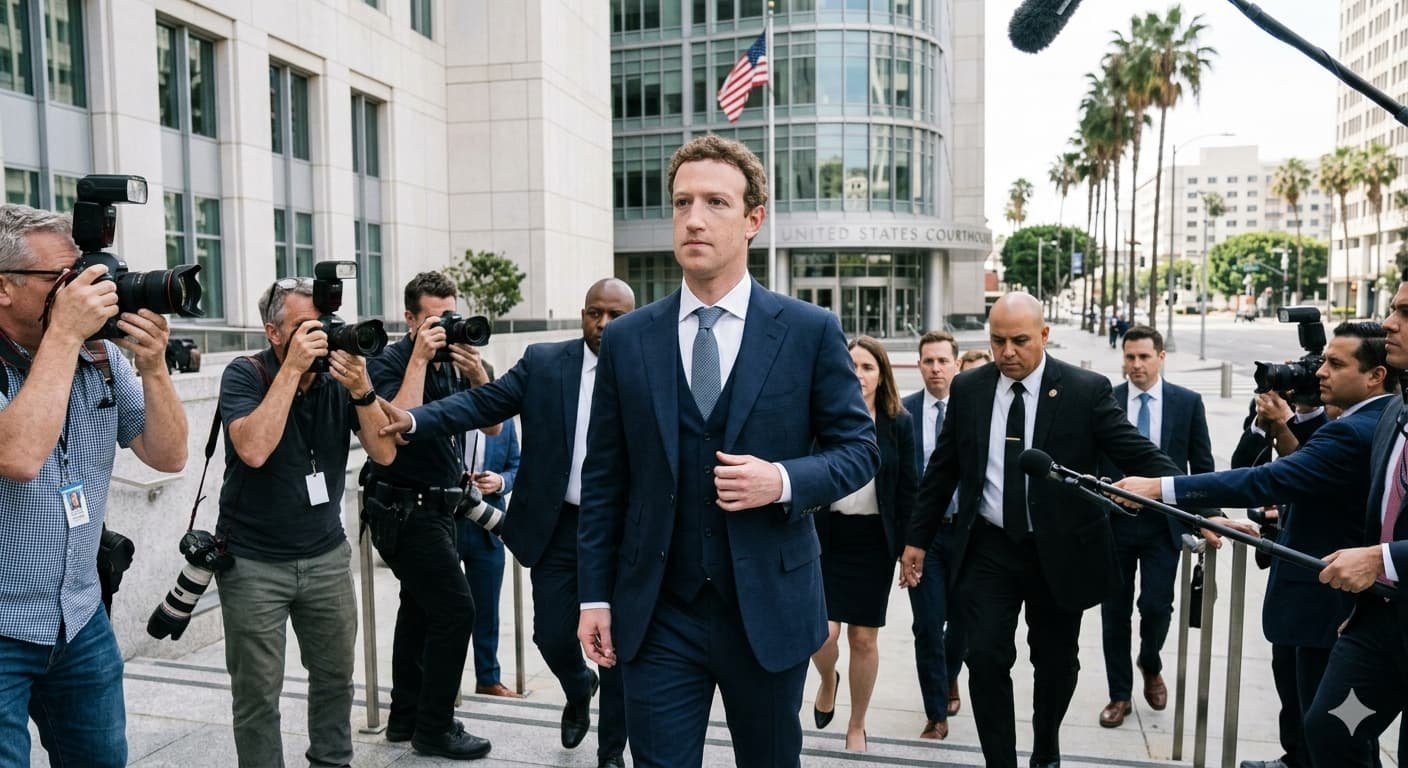
Mark Zuckerberg himself took the stand in Los Angeles in February — a rare appearance that underscored how seriously Meta viewed the stakes of this case. The jury was not persuaded by his testimony.
Two Verdicts in Two Days — And 2,000 More Coming
Wednesday’s verdict did not stand alone. It arrived one day after a separate jury in New Mexico ordered Meta to pay $375 million in civil penalties for failing to protect children from online predators and sexual exploitation on Instagram and Facebook — finding that Meta violated New Mexico’s consumer protection laws and misled the public about the safety of its platforms.
Back-to-back verdicts in two states in two days. 2,000 additional consolidated lawsuits now waiting in courts across the country. The dam, as plaintiff attorneys put it, is breaking.
The case’s status as a bellwether trial means the Los Angeles verdict will directly influence how thousands of other similar claims are assessed. TikTok and Snapchat parent Snap had already settled before the trial began. Their settlement terms were not disclosed. Their decision to exit before a jury could rule now looks, in hindsight, like the right call.
What the Companies Said
Meta issued a statement saying it respectfully disagreed with the verdict and was evaluating its legal options. YouTube — whose parent company Google insists the platform is “a responsibly built streaming platform, not a social media site” — said it disagreed with the verdict and planned to appeal. Neither company has indicated any intention to change platform design features in response to the rulings.
The punitive damages phase will begin shortly. The jury that found the companies acted with malice, oppression, or fraud will hear new evidence before deciding on additional penalties. The $6 million awarded Wednesday is almost certainly not the final number.
What Comes Next
The social media industry is facing a legal reckoning that advocates have been building toward for years. School districts across the country have already banned phones. State lawmakers from New York to California have passed or proposed legislation limiting social media access for minors. Wednesday’s verdict gives every one of those efforts a new foundation — a jury’s finding, in open court, that the companies knew what they were doing and did it anyway.
K.G.M. was in the courtroom. Her lawyers called it a historic moment not just for her but for thousands of children and families who had been waiting for accountability to arrive. After nine days of deliberation and six weeks of testimony, twelve jurors in Los Angeles decided it had.