
WASHINGTON, MARCH 24, 2026 —
Key Takeaways
- The national gas average is approaching $4 a gallon for the first time since 2022 — and energy analysts warn prices could stay elevated through the end of the year regardless of how the Iran war ends
- The average American household spends $3,000 to $3,500 per year on gasoline — a figure that climbs by roughly $500 to $600 for every $1 increase in the per-gallon price
- Five proven strategies — from gas apps to fuel-efficient driving habits — can realistically save a typical American family $600 to $1,200 per year without changing their lifestyle significantly
Gas prices do not move gradually. They spike fast, stay elevated long, and drain household budgets in ways that show up quietly — not in one big bill but in the accumulation of every fill-up, every grocery delivery, every Amazon package whose shipping cost reflects the fuel that moved it across the country.
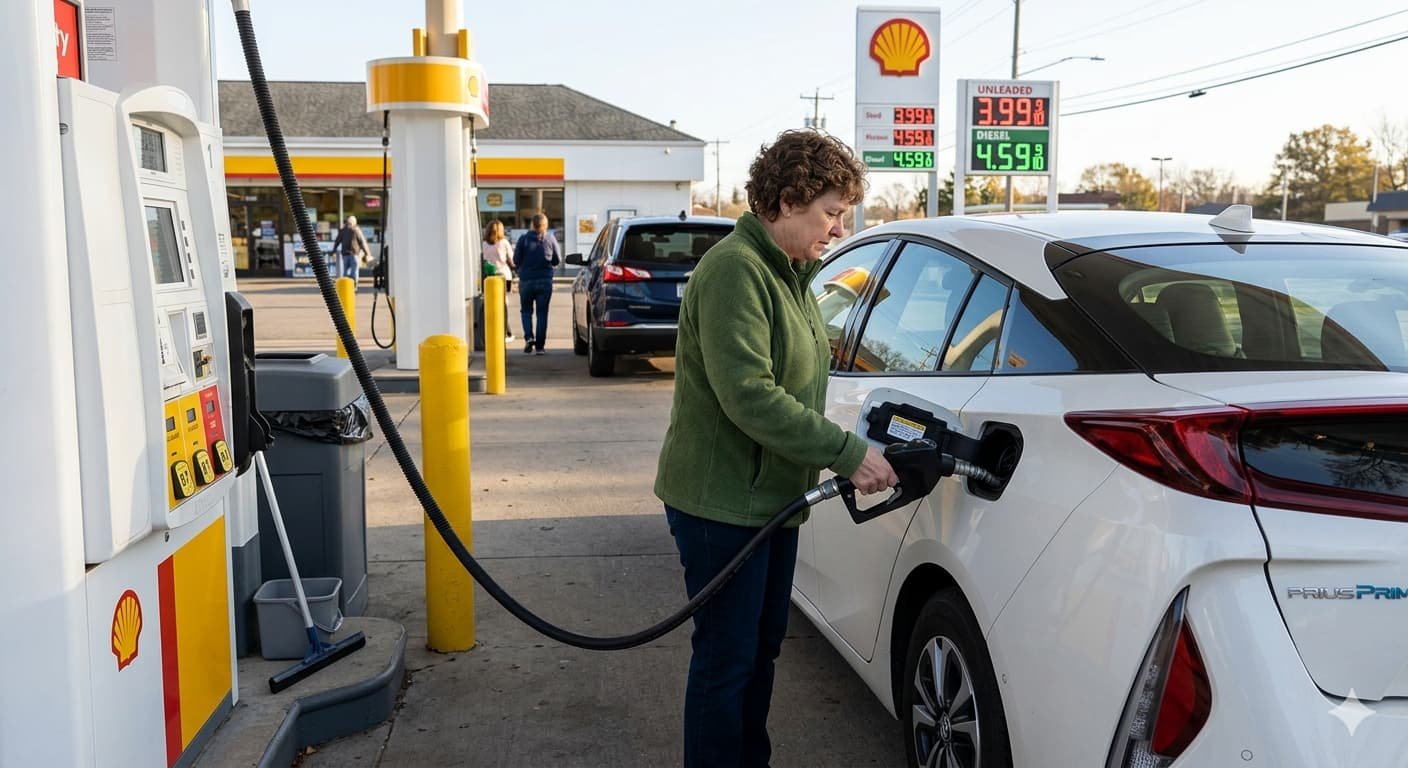
The national average is approaching $4 per gallon as of late March 2026. It was $2.92 just eight weeks ago. That $1-plus swing has added roughly $40 to $60 per fill-up for the average American driver — and energy analysts now say elevated prices are likely to persist through the rest of the year regardless of how the Iran war resolves, because the damage to Gulf energy infrastructure takes months to repair even after fighting stops.
Here is what you can actually do about it.
Why Prices Are This High — and How Long They Will Stay There
The current spike has a specific and identifiable cause: the Iran war. Before the first bombs fell on February 28, the U.S. national gas average was tracking at $2.92 per gallon. Brent crude was around $72 a barrel. Both numbers reflected a relatively stable global energy market.
The war changed everything. Iran’s closure of the Strait of Hormuz — through which 20% of the world’s seaborne oil normally flows — removed a significant volume of supply from global markets overnight. Missile strikes on Qatar’s LNG hub, Saudi Arabia’s Ras Tanura refinery, and UAE energy infrastructure added additional supply shock on top of the blockade. Oil climbed past $100, then $110, then $118 in the space of three weeks.
The forward outlook is not encouraging. Goldman Sachs projected last week that elevated oil prices could persist through 2027 — not because the war will last that long but because physical damage to Gulf energy infrastructure takes months to repair, alternative shipping routes are constrained, and the uncertainty premium baked into energy markets does not evaporate the moment fighting stops.
What $4 Gas Actually Costs Your Household
Gas Price Impact on American Household Budgets
| Annual Miles Driven | MPG | Gallons/Year | At $2.92 | At $3.80 | At $4.50 | Extra Cost vs. Feb |
|---|---|---|---|---|---|---|
| 12,000 miles | 28 mpg | 429 gallons | $1,253 | $1,630 | $1,930 | +$377 to +$677 |
| 15,000 miles | 25 mpg | 600 gallons | $1,752 | $2,280 | $2,700 | +$528 to +$948 |
| 20,000 miles | 20 mpg | 1,000 gallons | $2,920 | $3,800 | $4,500 | +$880 to +$1,580 |
5 Strategies That Actually Save Money at the Pump
1. Use GasBuddy or Waze every single time you fill up. Gas prices vary by as much as 30 to 50 cents per gallon within a single zip code. The GasBuddy app shows real-time prices at every station near you. Filling up at the cheapest station within a reasonable distance — rather than the nearest one — saves the average driver $150 to $300 per year with zero change to behavior.
2. Fill up on Monday or Tuesday morning. Gas prices follow a weekly pattern. They are consistently lowest on Monday and Tuesday — before the weekend demand spike that stations typically price into their Thursday and Friday rates. GasBuddy’s annual data consistently shows Monday as the cheapest day to buy gas in most U.S. markets.
3. Reduce highway speed from 75 mph to 65 mph. Fuel efficiency drops sharply above 60 mph. Driving at 75 mph uses roughly 15% to 20% more fuel than driving at 65 mph on the same highway at the same load. For a driver who covers 10,000 highway miles per year, that single change saves approximately $120 to $180 at current prices — with no other change required.
4. Check your tire pressure monthly. Under-inflated tires increase rolling resistance and reduce fuel efficiency by up to 3% per PSI below the recommended level. The average American’s tires are 7 PSI under-inflated — meaning a typical driver is burning 15% to 20% more fuel than necessary simply because of tire pressure. Correct inflation takes five minutes at any gas station air pump and costs nothing.
5. Use a gas rewards credit card. Major grocery chains including Kroger, Safeway, and Giant offer fuel reward programs that discount gas by 3 to 10 cents per gallon for grocery purchases. Costco members consistently report among the lowest gas prices in their area — often 15 to 25 cents below nearby stations. Several credit cards — including the Citi Custom Cash and Discover It — offer 5% cash back on gas during promotional cycles.
The Longer-Term Decision: Is It Time to Think About a Hybrid?
At $4 per gallon, the financial calculus on hybrid and electric vehicles shifts meaningfully. A driver covering 15,000 miles per year in a vehicle averaging 25 mpg spends approximately $2,400 per year on gas at $4. The same driver in a hybrid averaging 50 mpg spends $1,200 — saving $1,200 per year.
At that savings rate, the typical $3,000 to $5,000 price premium for a hybrid over a comparable non-hybrid pays itself back in 2.5 to 4 years — particularly given that hybrid reliability has improved dramatically in recent model years, with most major brands now offering 10-year, 150,000-mile battery warranties.
This is not a recommendation to run out and buy a new car. But if you are already in the market for a vehicle replacement, the sustained elevation of gas prices makes the hybrid math considerably more compelling than it was a year ago.
Actionable Steps
Download GasBuddy today and set it as your default before every fill-up. Check your tire pressure this week — recommended PSI is printed on the sticker inside your driver’s door. If you use a grocery loyalty program, link it to your gas rewards account before your next fill-up. If you are planning a long highway drive this week, set your cruise control at 65 mph instead of 75. Each of these steps takes less than five minutes and collectively adds up to real money by year end.