
WASHINGTON, MARCH 23, 2026 —
Key Takeaways
- The 30-year fixed mortgage rate rose to 6.22% as of March 19 — reversing a brief dip below 6% as the Iran war drives oil prices higher and forces the Fed to delay rate cuts
- Home prices are virtually flat nationally — up just 0.7% year over year — but inventory shortages in the Northeast and Midwest are keeping prices elevated in the markets where most Americans want to live
- Two-thirds of builders are now offering price cuts and incentives to unload an oversupply of new homes — creating one of the rare windows in years where buyers have genuine negotiating power
A year ago, millions of Americans were waiting for the housing market to become affordable again. They were told mortgage rates would fall. They were told inventory would improve. They were told 2026 would finally be the year to buy. Some of that has come true. Most of it has not — and the Iran war has now introduced a new set of headwinds that nobody predicted when the year began.
Here is the unvarnished reality of the 2026 spring housing market — the data, what it means, and what it tells you about whether now is the right time to buy, sell, or keep waiting.
Mortgage Rates — The One Number That Controls Everything
The 30-year fixed mortgage rate stood at 6.22% as of March 19, according to Freddie Mac’s Primary Mortgage Market Survey — up from 6.11% the previous week. The rate is nearly half a percentage point lower than a year ago, which sounds encouraging. But the trajectory reversed sharply this month as the Iran war pushed oil prices above $110 a barrel, drove inflation expectations higher, and effectively killed any near-term prospect of Federal Reserve rate cuts.
The rate had briefly touched 6.11% — its lowest level since late 2024 — before the war’s economic shock sent bond yields climbing again. Mortgage rates track the 10-year Treasury yield more closely than they track the Fed funds rate, and when investors price in higher inflation, yields rise and mortgage rates follow.
Fannie Mae’s March 2026 Housing Forecast had projected the 30-year rate would fall below 6% in the second quarter of 2026. That forecast is now considered optimistic by most economists given the Iran war’s inflation impact. Realtor.com chief economist Danielle Hale and Redfin both project the 30-year rate will average 6.3% for the full year — staying well above the pandemic-era lows that gave millions of Americans their current locked-in rates.
2026 Housing Market — Key Numbers
Where the Market Stands Right Now
| Metric | Current Figure | Change vs. 2025 |
|---|---|---|
| 30-year fixed mortgage rate | 6.22% | Down from 6.67% last year |
| 15-year fixed mortgage rate | 5.54% | Down from 5.83% last year |
| National home price growth | +0.7% year over year | Down from 3.5% in early 2025 |
| Active inventory growth | +5.6% year over year | Improving but still tight |
| New home supply | 9.7-month supply | Highest since 2022 |
| Builder sentiment | Declining | Two-thirds offering incentives |
| NAR affordability index | 35% below pre-COVID level | Still severely stretched |
Why Homes Still Feel Unaffordable Even Though Prices Are Flat
The cruelest feature of the current housing market is the gap between what the numbers say and what buyers experience at the closing table. Home prices are barely moving — up just 0.7% nationally according to Cotality. Inventory is improving. Builders are cutting prices. On paper, conditions are better than they were two years ago.
But affordability — measured by the actual monthly payment required to buy a median-priced home — remains at historically punishing levels. The National Association of Realtors’ affordability index sits 35% below its pre-COVID level. The reason is not just prices. It is the combination of prices that never meaningfully corrected plus mortgage rates that remain elevated plus insurance costs that have surged in many states plus property taxes that have climbed in lockstep with assessed values.
The mortgage lock-in effect is compounding the problem. More than 60% of existing homeowners have mortgage rates below 4% — locked in during the pandemic era. Selling means giving up that rate and accepting a new mortgage at 6.22%. For a $400,000 home, the difference between a 3.5% and a 6.22% mortgage is roughly $700 per month. That calculation is keeping millions of would-be sellers on the sidelines, suppressing the inventory of existing homes and keeping prices elevated even as demand weakens.
Where the Opportunities Actually Are
The 2026 housing market is deeply uneven — and that unevenness creates real opportunities for buyers who know where to look.
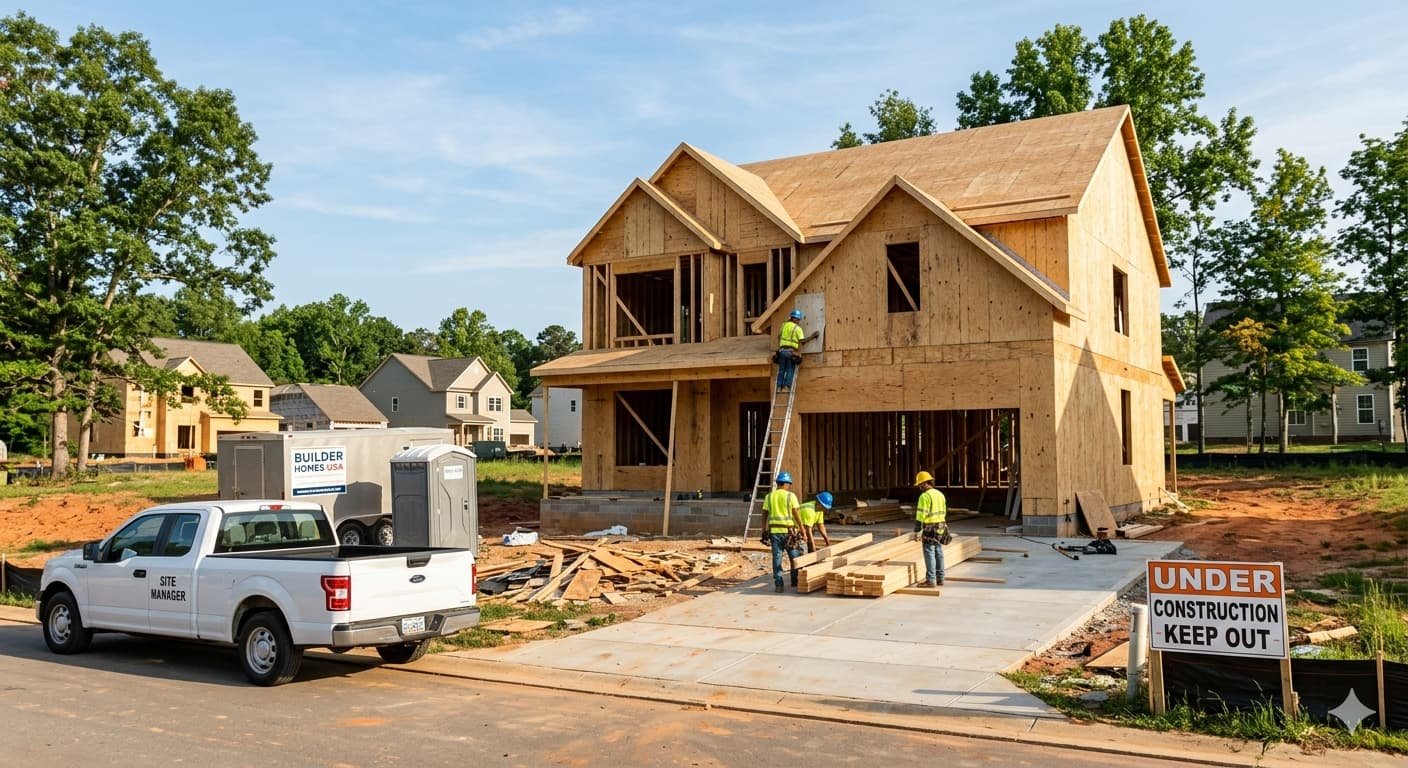
New construction is the clearest opening. Builders are sitting on a 9.7-month supply of unsold new homes — the highest since 2022. Nearly two-thirds of builders are now offering sales incentives including mortgage rate buydowns of 100 to 200 basis points below the prevailing market rate. A builder buydown on a new home could effectively get a buyer into a 4.2% to 5.2% rate on a brand new property — significantly better than anything available on the existing home market.
The Midwest and select Southern markets offer the most favorable combination of price and value. Hartford, Connecticut; Rochester, New York; and Worcester, Massachusetts top Realtor.com’s 2026 best markets list. Cities in Wisconsin, Illinois, and Nebraska are seeing genuine affordability with stable job markets. By contrast, Texas and Florida — the pandemic-era darlings — are showing signs of softening as inventory has built up and insurance costs have surged.
Adjustable-rate mortgages deserve a second look for buyers planning to sell or refinance within seven years. 5/1 and 7/1 ARM rates are running roughly 50 to 75 basis points below comparable fixed rates — a meaningful difference on a large loan.
What This Means For You
The housing market in spring 2026 is not the buyer’s market that was widely predicted at the start of the year — and the Iran war has made the rate relief timeline longer. But it is not the seller’s market of 2021 either. It is something more complicated: a market frozen by the lock-in effect, thawing unevenly, with pockets of genuine opportunity for buyers who are prepared to act strategically.
If you are a first-time buyer — explore new construction with builder buydowns before looking at existing homes. If you are a move-up buyer — calculate the real monthly cost difference between your current locked-in rate and a new mortgage before assuming you cannot afford to move. If you are a seller — price aggressively from day one. Homes sitting on the market are sitting longer than at any point since 2020, and buyers who sense a stale listing will negotiate hard.
The window between prices stabilizing and rates eventually falling is the moment most housing economists identify as the best long-term entry point. Whether that moment is now or six months from now depends on one thing nobody can predict with certainty: when the Iran war ends and what it does to inflation on the way out.