
WASHINGTON, MARCH 15, 2026 — The numbers were bad before the war started. Now economists are warning they could get dramatically worse.
The U.S. Commerce Department confirmed Friday that the American economy grew at just 0.7% in the fourth quarter of 2025 — the weakest quarterly performance since the pandemic year of 2020 and a stark reminder that the Iran war arrived at the worst possible moment for an economy already running on fumes. The revision, which came in below earlier estimates, dragged annual growth for all of 2025 to just 2.1% — the weakest full-year expansion since 2016.
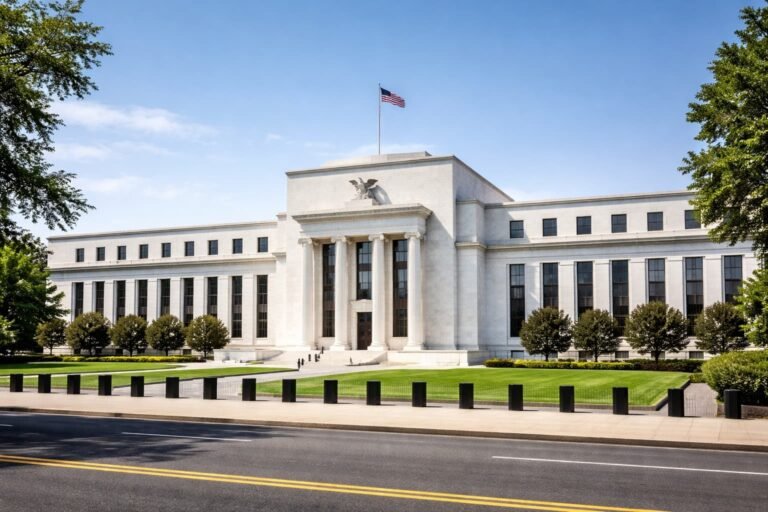
The Federal Reserve meets in three days. Nobody on Wall Street envies the decision it faces.
What the GDP Numbers Show
The fourth quarter slowdown was driven primarily by the historic government shutdown that paralyzed federal agencies for weeks late last year — pulling roughly one percentage point out of growth in that period. Economists had expected much of that lost ground to be recovered in the current January-through-March quarter, which was tracking at a promising 2.7% growth rate just two weeks ago.
That optimism is now evaporating fast. Consumer spending — the engine that powers roughly two-thirds of all U.S. economic activity — held firm at a 0.4% monthly gain in January. But January’s data was compiled before oil crossed $100 a barrel, before gas prices surged to a national average of $3.54 per gallon, and before two terror attacks shook American confidence on home soil on Thursday.
Inflation-adjusted consumer spending in the fourth quarter was revised down to 2% from a previously reported 2.4% gain. Americans are spending less in real terms than the initial data suggested — and that was before the energy shock hit.
The Fed’s Impossible Choice
The Federal Reserve’s preferred inflation gauge — the Personal Consumption Expenditures price index — came in at 2.8% annually in January, down marginally from 2.9% in December. That number looks almost quaint now. Every economist watching the data agrees it is heading higher as the energy shock from the Iran war works its way through transportation costs, manufacturing inputs, and consumer prices over the coming weeks.
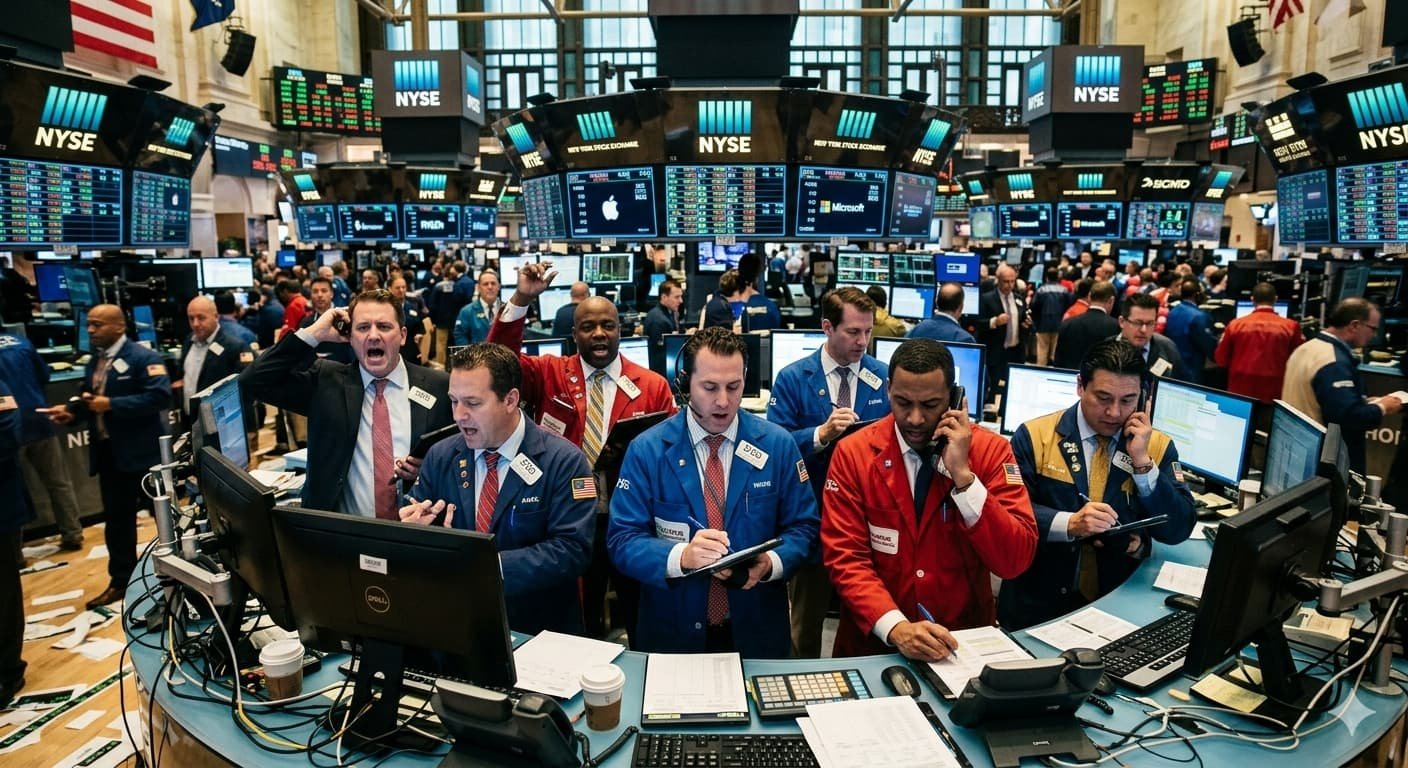
The Fed meets on March 17 and 18 — this coming Monday and Tuesday. Markets have already priced out any possibility of a rate cut. The question being debated on trading floors across the country is far more uncomfortable: will the Fed be forced to raise rates instead?
Sonu Varghese, chief macro strategist at Carson Group, was blunt in his assessment: the energy shock is going to push inflation materially higher, the Federal Reserve will not cut rates in 2026, and it may start talking about rate hikes later this year. Goldman Sachs chief U.S. economist David Mericle still forecasts 2.8% full-year growth — but that projection was built before Kharg Island was bombed and before the Strait of Hormuz closed to commercial shipping.
The S Word Nobody Wants to Say
The word that kept appearing in analyst notes Friday — carefully, cautiously, but with increasing frequency — was stagflation. It is the economic condition policymakers fear most and are least equipped to fight: slowing growth and rising inflation occurring simultaneously.
The Federal Reserve’s entire toolkit is built around addressing one problem at a time. Raise rates to fight inflation — and you risk tipping a weakening economy into recession. Cut rates to boost growth — and you risk unleashing a new inflation surge. The Iran war has created conditions where both problems are arriving at the same time, leaving the Fed with no clean answer.
Major banks are already adjusting their outlooks. America’s largest bank economists, projecting results in the latest American Bankers Association forecast, expect the unemployment rate to rise and peak at 4.5% by mid-2026. They see only one small rate cut between now and early 2027 — and even that is conditional on the war ending soon and oil prices retreating.
The Political Dimension
For the White House, the GDP report landed at the worst possible moment. Trump has spent the first weeks of March pointing to military progress in Iran and promising economic rewards to follow. The fourth quarter GDP revision, the jobs report showing 92,000 positions lost in February, oil above $100, and now the specter of stagflation have collectively dismantled the “Golden Age” narrative his advisers were building just weeks ago.
The midterm elections are eight months away. The economy that voters will judge Trump on is being shaped right now — in the fields of Iran, at the Strait of Hormuz, and in the Federal Reserve’s boardroom on Tuesday morning. None of those three arenas are currently moving in his favor.