By Harshit
WASHINGTON, MARCH 11, 2026 — America’s inflation fight was finally looking like a victory. Then the bombs started falling on Iran.
The U.S. Bureau of Labor Statistics released its February Consumer Price Index report this morning — and the numbers, on the surface, told an encouraging story. Inflation held steady at 2.4% over the past 12 months, consumer prices rose a modest 0.3% from January to February, and the Federal Reserve’s long battle to tame post-pandemic price pressures appeared to be progressing exactly as hoped.
But economists across Wall Street greeted the report with more caution than celebration. The reason is simple: February’s data captures a snapshot of American prices before the Iran war began. The real inflation test — driven by a 53% surge in oil prices since February 28 — is still weeks away.
What the Numbers Show
The February CPI report delivered largely what analysts had expected. Headline inflation came in at 0.3% month-over-month, in line with the FactSet consensus forecast, and the annual rate held at 2.4% — unchanged from January and down from 2.7% in December.
Shelter costs were the single biggest driver of the monthly increase, rising 0.2% in February. Food prices climbed 0.4% over the month, with grocery prices matching that pace. Energy prices rose 0.6% — a figure that, given what has happened to oil markets in the two weeks since, now looks almost quaint.
Core CPI — which strips out the volatile food and energy components and is closely watched by the Federal Reserve — also rose 0.3% for the month, meeting expectations and suggesting that underlying price pressures in the U.S. economy remain broadly contained.
The Number Wall Street Is Actually Watching
In any other month, a CPI report this clean would have sparked immediate speculation about Federal Reserve rate cuts. Not today.
The Iran war has changed the calculus entirely. Oil prices surged past $115 a barrel in the days following the initial U.S.-Israel strikes on Iran before retreating to around $84 on Tuesday after President Trump hinted the conflict could end soon. Gas prices at American pumps have already jumped 21% in a single month to a national average of $3.54 per gallon — and that spike has not yet appeared in any inflation data.
Carol Schleif, Chief Market Strategist at BMO Private Wealth, put it plainly: the rise in oil prices adds to an already cost-exhausted consumer who has been grappling with inflationary pressures for years. Wednesday’s CPI for February, she noted, will help gauge the inflation picture prior to the recent geopolitical conflict — but the early March surge in oil prices will take time to show up in the economic data.
What It Means for the Fed
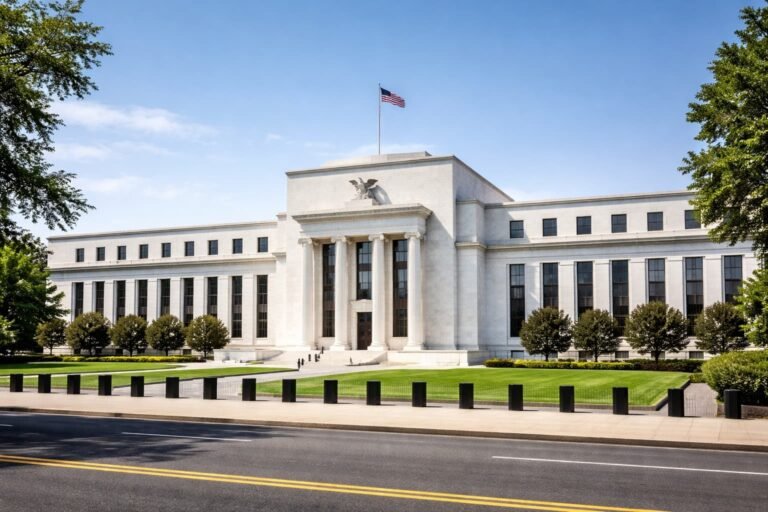
For Federal Reserve Chair Jerome Powell and the Federal Open Market Committee, the February report offers cold comfort. The central bank had been inching toward a potential rate cut later in 2026, with inflation trending in the right direction and the labor market showing signs of modest cooling.
That calculus is now on hold. A sustained oil price shock feeds directly into transportation costs, manufacturing inputs, and consumer goods prices — the exact categories the Fed has spent four years trying to bring under control. If the Iran war drags on and oil remains elevated, the Fed faces a genuinely uncomfortable scenario: slowing economic growth on one hand, and renewed inflationary pressure on the other.
That combination — stagflation, in the language of economists — is the outcome policymakers most fear and are least equipped to address with a single interest rate tool.
The Consumer Squeeze
Behind the data points are 330 million Americans already worn thin by years of elevated prices. Grocery bills are higher than they were before the pandemic. Rent remains punishingly expensive in most major cities. Credit card debt has hit record levels. And now, a war 7,000 miles away is threatening to push gas prices even higher just as spring driving season begins.
February’s CPI report was, in isolation, a good number. But inflation is no longer being written in isolation. It’s being written in the skies over the Persian Gulf — and the next chapter hasn’t been printed yet.