
By Harshit
WASHINGTON, MARCH 11, 2026 — The United States and Israel escalated their military campaign against Iran to its highest intensity yet on Tuesday, as Defense Secretary Pete Hegseth declared it would be “our most intense day of strikes inside Iran,” dispatching the largest number of fighter jets and bombers since the war began 11 days ago. The announcement came even as President Donald Trump sent sharply conflicting signals about when the conflict — officially designated Operation Epic Fury — might end, leaving global markets, U.S. allies, and the American public uncertain about the war’s trajectory.
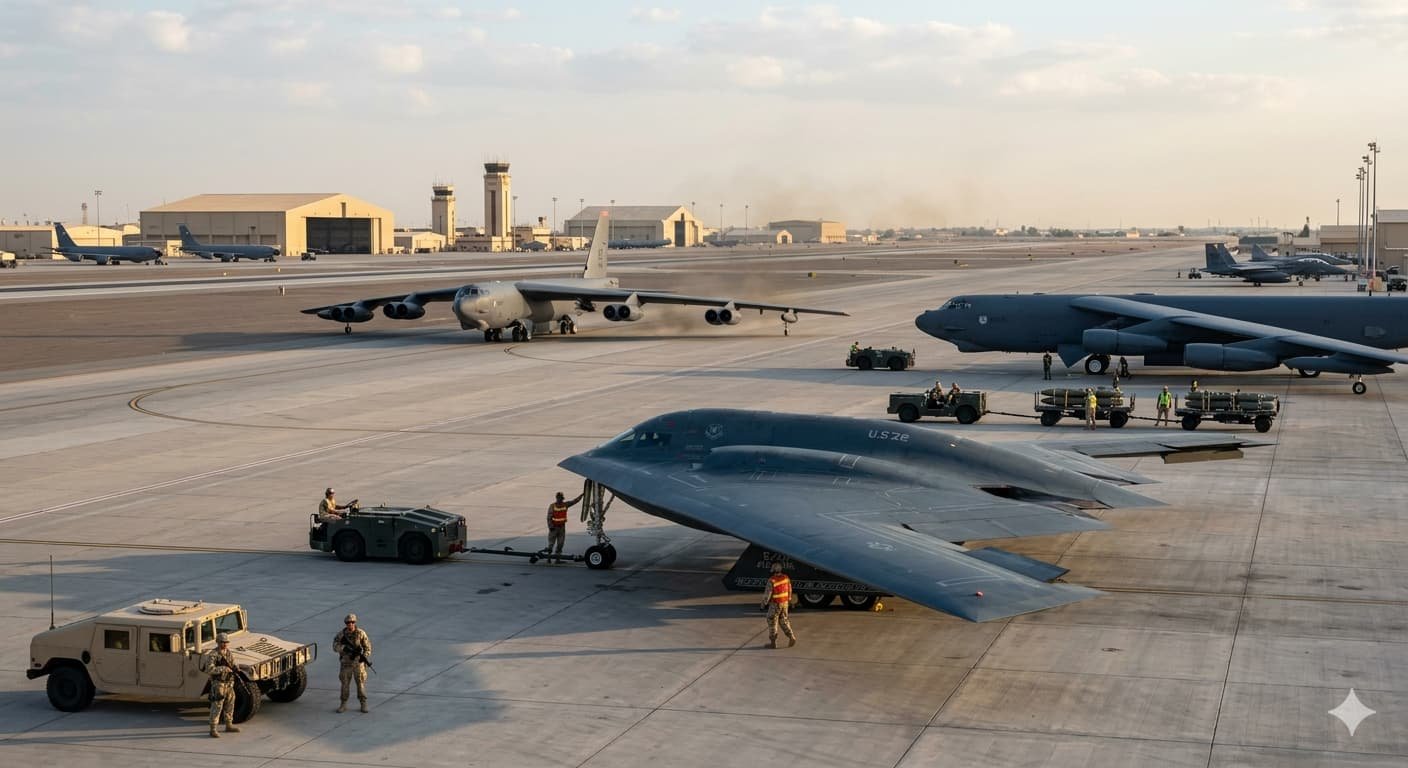
The Trump administration promised its heaviest attacks on Iran on Tuesday, while Israel intensified its attacks in Lebanon, as the war in the Middle East ground through its 11th day. “Today will be, yet again, our most intense day of strikes inside Iran,” Hegseth said at a Pentagon news conference, adding that the military was sending the most fighters and bombers yet.
The battlefield picture grew significantly more complex as the day progressed. The U.S. military said it destroyed multiple Iranian naval ships — including 16 minelayers — near the Strait of Hormuz on Tuesday. Meanwhile, a suspected Iranian drone hit a U.S. diplomatic facility in Iraq Tuesday — specifically the Baghdad Diplomatic Support Center, a large logistical and operational support hub located near the Baghdad airport.
Israel began a second wave of strikes in the Iranian capital, Tehran, and also struck a suburb of Beirut in Lebanon. In an earlier wave Tuesday, Israel said it struck Tehran and the city of Tabriz in Iran, hitting what it described as “central command centers where Iranian terror regime operatives were located.”
The human cost of the conflict continued to climb. The humanitarian toll is mounting, with hundreds of thousands of residents displaced and more than 1,700 people killed across the region since the war began. Iran’s representative to international organizations said there were heavy strikes on fuel storage facilities in Tehran and other cities on the nights of March 5 and March 7, saying the attacks released large quantities of hazardous and toxic pollutants into the atmosphere. Rainfall on the morning of March 8 spread the pollutants through “highly acidic precipitation,” increasing the risk of respiratory harm and environmental contamination. Medical centers in Tehran have been placed on high alert and residents have been advised to remain indoors.
Against this escalating backdrop, Trump’s public statements created significant confusion. In an interview with CBS News, the president described the war as a “short-term excursion” that would conclude “soon.” But Hegseth contradicted that framing at the Pentagon, saying the U.S. would not relent until “the enemy is totally and decisively defeated,” while emphasizing that Trump “gets to control the throttle” of the war. As strikes continue across the Middle East for a second week, the Trump administration has given conflicting messages about how long the war will last, while Iran signals it’s prepared for a long fight.
The conflicting statements rattled financial markets, sending oil prices on dramatic swings throughout the session. With oil prices soaring and then dipping, Trump vowed that if Iran blocks the crucial Strait of Hormuz, “death, fire and fury will reign upon them.” Gulf states reported intercepting new waves of Iranian drones and missiles early Wednesday local time, and one strike caused a fire at one of the region’s largest oil refineries in the United Arab Emirates.
Qatar Airways resumed 29 limited flights from Doha amid the war tensions and Gulf airspace restrictions, with Hamad International Airport running partial flight operations under special permission while complete regular services have not yet resumed.
On the political front, Congressional Democrats used the day to escalate pressure on the White House. Emerging from a closed-door Armed Services Committee briefing, Democratic senators complained that the session raised more questions than answers and demanded public hearings. Senate Minority Leader Chuck Schumer called on Trump to release oil from the Strategic Petroleum Reserve to ease the financial burden on American families, while Senators Mark Kelly and Richard Blumenthal introduced the Gas Prices Relief Act of 2026, which would suspend the 18.4 cents-per-gallon federal gas tax through October 1.
Secretary of State Marco Rubio maintained an aggressive posture, saying Iran was being systematically degraded. “Every single day, this regime in Iran has less missiles, has less launchers, their factories work less and their navy is being eviscerated,” Rubio said. “The world is going to be a safer and a better place when this mission is accomplished.”
With the war now entering its twelfth day and no ceasefire in sight, the question hanging over Washington, Wall Street, and capitals across the globe is the one neither Trump nor Hegseth has answered clearly: when does it end, and on whose terms?