
By Harshit
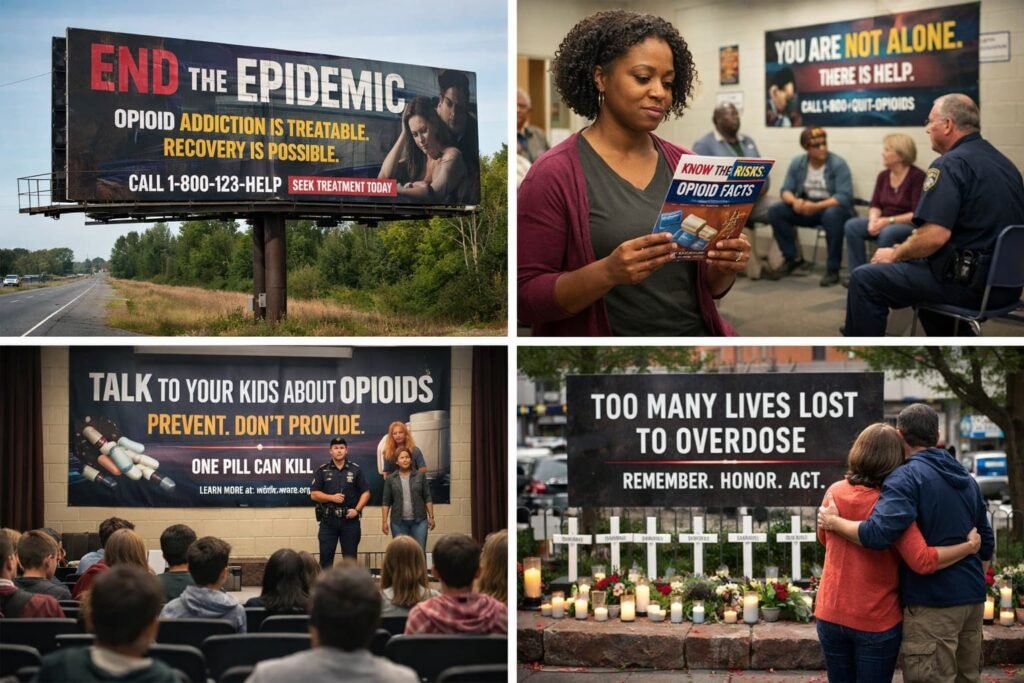
NEW YORK, JANUARY 23 — In an era marked by deep political and cultural divisions, a rare point of agreement has emerged among Americans: opioid overdose deaths remain one of the most serious public health crises facing the United States.
A new national study published in JAMA Network Open finds that nearly nine out of ten U.S. adults view opioid overdose deaths as a very serious problem, with striking consensus across conservative, moderate, and liberal respondents. The findings highlight both shared concern and ongoing tension over who bears responsibility for addressing the crisis.
Broad Agreement on the Severity of the Crisis
According to the study, 88 percent of adults surveyed nationwide said opioid overdose deaths represent a serious or very serious issue. That concern crossed political boundaries, with strong majorities in every ideological group expressing alarm.
Conservatives, moderates, and liberals all reported high levels of concern, underscoring the widespread recognition that opioid-related deaths continue to claim tens of thousands of American lives each year.
Researchers noted that this level of agreement is unusual in a polarized political climate, suggesting that the opioid crisis has become a universally acknowledged threat to public health and community stability.
Public Blame Extends Beyond Drug Users
While most Americans believe individuals who use opioids play a role in preventing overdoses, the study revealed a notable shift in public attitudes: a large majority also place responsibility on pharmaceutical companies.
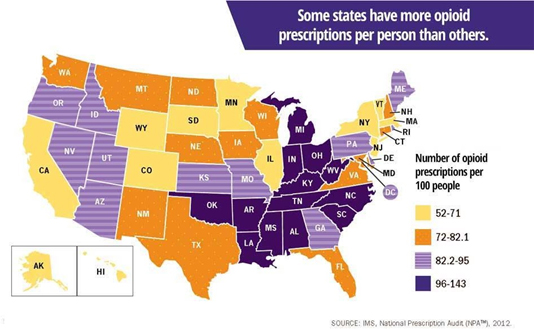
Nearly three-quarters of respondents said drug manufacturers should share responsibility for reducing overdose deaths. This view was strongest among liberals but was also widely held among moderates and conservatives.
Researchers suggest this shift may reflect years of high-profile lawsuits, investigations, and media coverage documenting how opioid medications were marketed and distributed in the United States.
The findings indicate that public understanding of the crisis has evolved beyond viewing addiction solely as an individual failing.
Political Differences in Assigning Responsibility

Despite broad agreement on the seriousness of the problem, opinions diverged when respondents were asked who should bear the greatest responsibility.
Conservative respondents were more likely to emphasize personal responsibility, with a large majority pointing to opioid users themselves. Liberals were significantly more likely to hold pharmaceutical companies accountable, while moderates fell between the two groups.
These differences, researchers say, may shape public support for specific policy responses, including litigation, regulation, and funding for treatment programs.
Declining Deaths, Persistent Concern
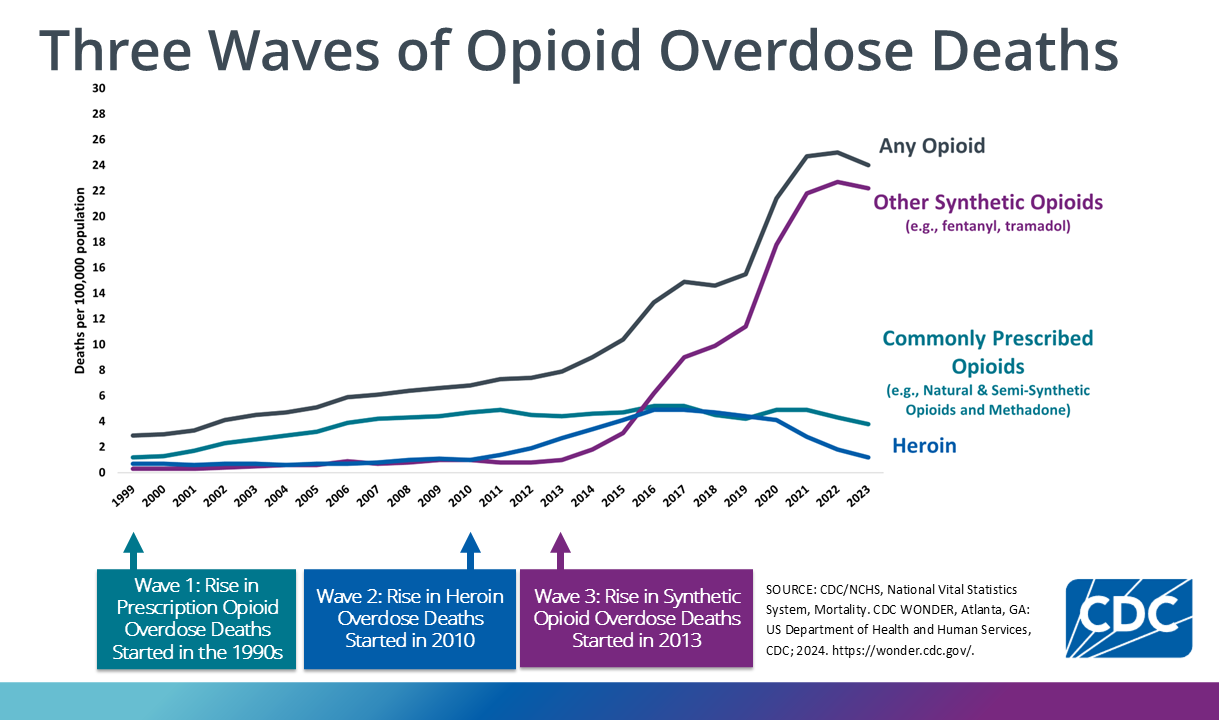
The study comes at a time when opioid overdose deaths have shown signs of improvement. National figures indicate a substantial decline in overdose fatalities between 2023 and 2024, offering cautious optimism to public health officials.
However, researchers caution that lower death counts do not mean the crisis has been resolved. The continued high level of public concern suggests Americans remain acutely aware of the human toll opioids have taken on families and communities.
Stigma Around Addiction Remains High
Despite growing recognition of systemic factors behind the opioid epidemic, stigma toward people with addiction remains widespread.
More than one-third of respondents said they would be uncomfortable having a person with opioid addiction as a neighbor, and a majority said they would oppose an individual with opioid addiction marrying into their family.
Public health experts warn that such stigma can discourage people from seeking treatment and undermine efforts to reduce overdose deaths.
Implications for Policy and Treatment
The findings suggest there may be growing public support for policy measures aimed at holding pharmaceutical companies accountable and directing settlement funds toward addiction treatment and overdose prevention.
Researchers also plan to explore public attitudes toward medication-assisted treatment, including drugs such as buprenorphine, which have been shown to significantly reduce overdose risk. While many state programs have historically emphasized abstinence-based approaches, evidence increasingly supports medication-based care as the most effective option.
A Rare Point of National Consensus
While Americans may disagree on who is most responsible for the opioid crisis, the study highlights a rare consensus on the urgency of the problem itself.
That shared concern could provide a foundation for future policy action—if lawmakers can navigate ideological differences surrounding responsibility, stigma, and treatment approaches.