

By Harshit
WASHINGTON, JANUARY 21 — The U.S. labor market in 2026 continues to defy traditional recession signals. Jobs remain available, unemployment is relatively low, and layoffs—outside of a few sectors—are not widespread. Yet one key engine of household financial momentum is losing speed: wage growth.
For millions of American workers, paychecks are still rising, but not fast enough to restore the sense of financial progress that defined earlier phases of the post-pandemic recovery.
Wage Growth Is Cooling, Not Reversing
Nominal wages are still increasing across much of the economy, but the pace has slowed noticeably compared to the rapid gains of 2022–2024. Employers who once competed aggressively for workers are now exercising greater restraint.
This slowdown reflects normalization rather than collapse. During the height of labor shortages, wage increases were often driven by urgency rather than productivity. In 2026, businesses are recalibrating compensation to align more closely with output, margins, and long-term cost control.
The Bargaining Power Shift

One of the most significant changes is the shift in bargaining power. Workers still have options, but fewer than before. Job switching has declined, and employers are no longer forced to raise wages preemptively to retain staff.
Hiring has become more selective, with firms emphasizing experience, flexibility, and role consolidation. This environment favors employers in wage negotiations, particularly in non-specialized roles.
Inflation’s Lingering Shadow
Even as inflation has cooled, its cumulative effects remain deeply felt. Housing, insurance, healthcare, and transportation costs are substantially higher than they were just a few years ago.
When wage growth slows against this elevated price base, workers experience what feels like stagnation—even if their nominal income is rising. This disconnect explains why consumer confidence remains fragile despite positive employment data.
Sectoral Differences Are Widening
Wage trends in 2026 are increasingly uneven. Highly skilled roles in healthcare, advanced manufacturing, cybersecurity, and specialized technology continue to command strong pay increases. Meanwhile, wages in retail, hospitality, and administrative services are growing far more slowly.
This divergence is reshaping income distribution and influencing where workers choose to seek training or change careers.
Employers Focus on Total Compensation
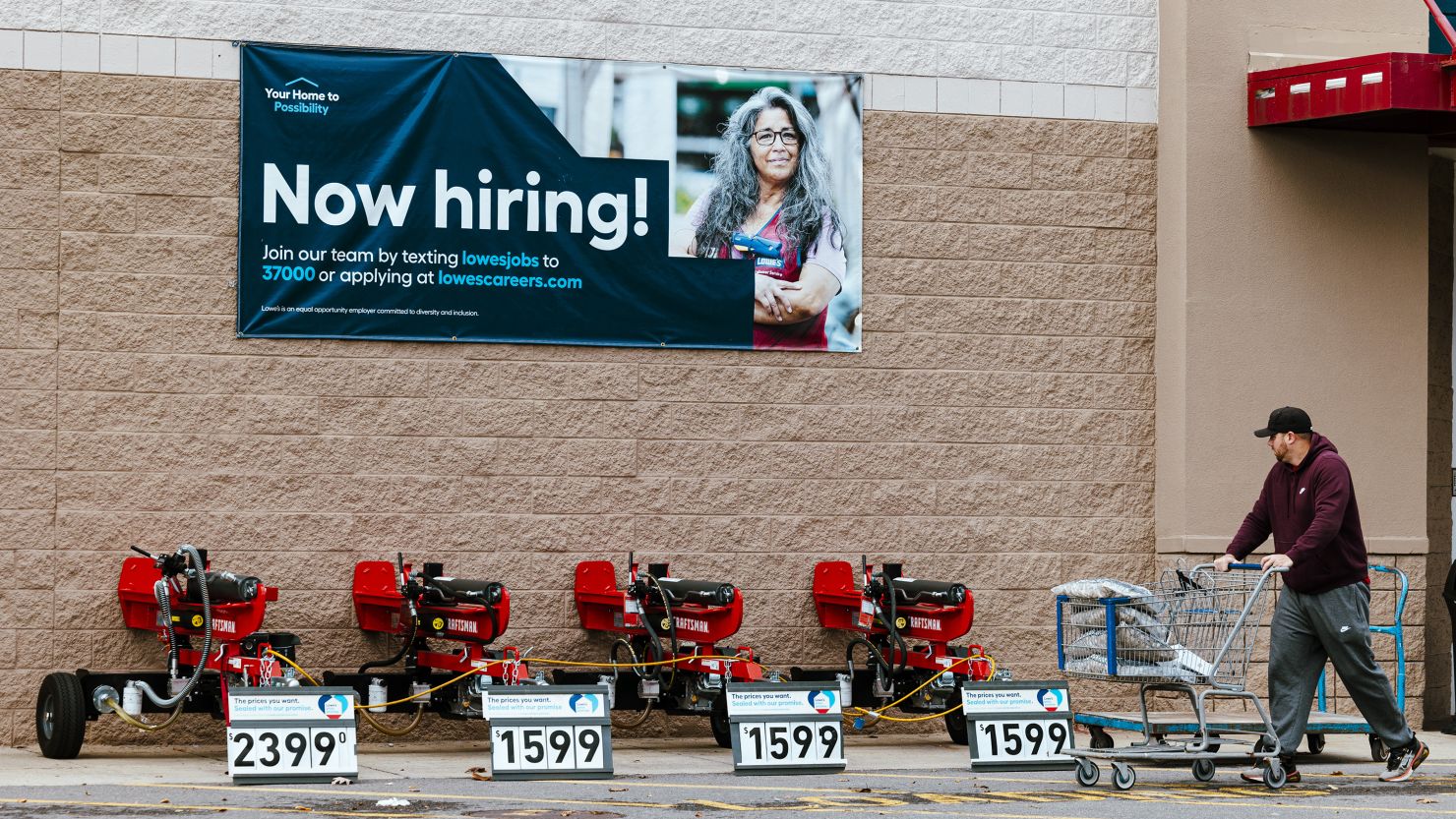
Rather than raising base pay aggressively, many U.S. employers are emphasizing total compensation packages. Benefits such as flexible work arrangements, health coverage, training programs, and retention bonuses are being used to attract and keep talent without permanently raising fixed costs.
For workers, these benefits can be valuable—but they do not always offset the impact of slower wage growth on monthly budgets.
Why This Matters for the Broader Economy
Wage growth plays a critical role in sustaining consumer spending, which drives the majority of U.S. economic activity. When pay increases slow, households become more cautious, even if employment remains strong.
This dynamic helps explain why consumer spending is becoming more selective in 2026 and why economic growth, while stable, lacks the momentum of earlier years.
Policy Constraints Limit Intervention
Policymakers face limited tools to address slowing wage growth directly. Raising interest rates further would risk job losses, while loosening financial conditions too quickly could reignite inflation.
As a result, wage normalization is largely being left to market forces—placing the adjustment burden on households and employers alike.
A Labor Market in Transition
The U.S. labor market in 2026 is not weakening—it is transitioning. Wage growth is settling into a more sustainable pattern, but that transition comes with discomfort for workers who grew accustomed to rapid gains.
The challenge for the economy is ensuring that productivity growth eventually supports renewed income momentum.
The Bottom Line
Jobs are still plentiful in America, but paychecks are no longer racing ahead. In 2026, the story of the U.S. economy is not job loss—it is the gradual slowing of wage growth, and the ripple effects that slowdown creates.