
By Harshit
TEHRAN, JAN. 10, 2026 —
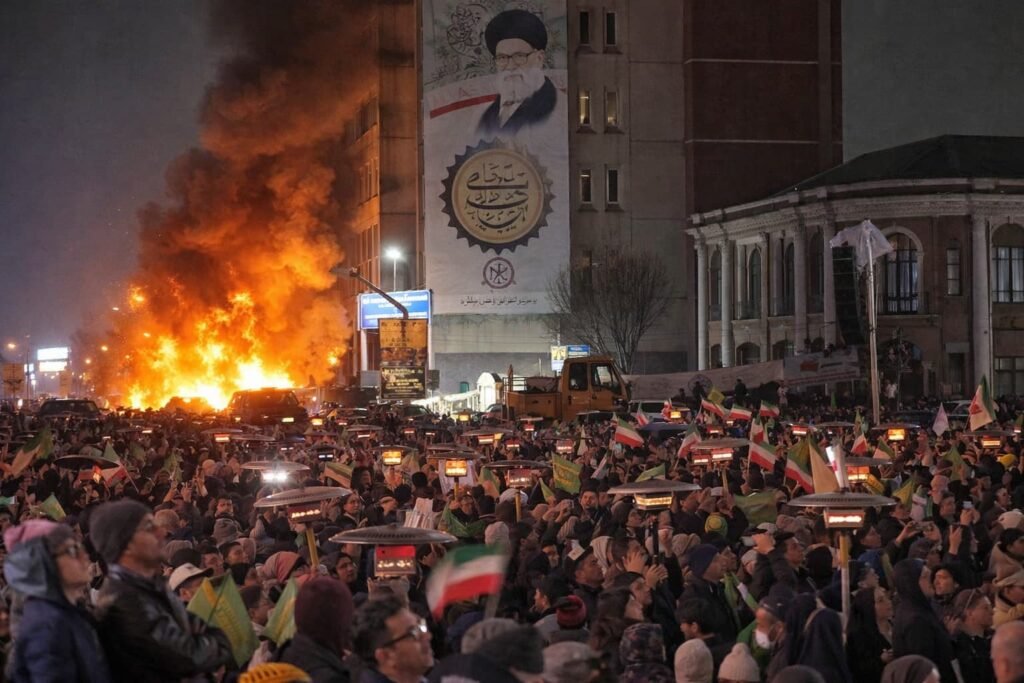
At least 65 people have been killed and more than 2,300 arrested during nearly two weeks of nationwide anti-government protests in Iran, according to the US-based Human Rights Activists News Agency (HRANA), as authorities intensify crackdowns and impose a sweeping internet blackout.
The demonstrations, described by rights groups as the most widespread in years, have erupted across all 31 provinces, fueled by soaring inflation, shortages of basic goods, and deepening public anger over Iran’s economic management.
Death Toll and Arrests Rise Nationwide
HRANA said protests have been recorded at more than 500 locations across at least 180 cities. Of those killed, the group reported that 50 were protesters, 14 were members of security forces, and one was a government-affiliated civilian. CNN and other international media have not been able to independently verify the figures due to severe restrictions on communication inside the country.
Iranian authorities have acknowledged arrests but have not released official nationwide casualty figures. State-affiliated media reported that at least 100 people were detained in Baharestan county near Tehran alone, accusing them of leading “riots” and attacking civilians and security forces with weapons.
Internet Blackout Deepens Crisis
A near-total internet shutdown remains in place across much of Iran, according to digital rights watchdogs. Authorities cut mobile data, broadband access, and SMS services in Tehran and other major cities late last week, leaving residents largely reliant on voice calls and heavily monitored domestic platforms.
One Tehran resident told CNN the blackout appeared to have “backfired,” pushing more people into the streets as frustration mounted. Access to international websites, banking services, and online commerce has been severely disrupted, compounding economic pressure on households already struggling with rising prices.
Satellite internet access remains extremely limited, and many Iranians say they are relying on satellite television for news from outside the country.
Economic Roots of the Protests
The unrest began on December 28 after sharp price hikes in essential goods such as cooking oil, chicken, milk, and eggs. Anger intensified when Iran’s central bank ended preferential exchange rates for some importers, prompting shop closures and sparking protests among bazaar merchants — a group traditionally seen as supportive of the Islamic Republic.
What began as economic demonstrations has since evolved into broader anti-regime protests, with students, workers, and families joining nightly gatherings, often after dark, to avoid security forces.
International Reactions Escalate
The protests have drawn sharp reactions from abroad. US President Donald Trump warned Tehran against using force on demonstrators, while US Secretary of State Marco Rubio said Washington supports “the people of Iran.”
Iran’s Supreme Leader Ayatollah Ali Khamenei rejected the accusations, blaming the United States for inciting unrest and telling Trump to “focus on his own country.” He warned that Iranians would not tolerate what he described as “foreign hirelings.”
European leaders have also weighed in. The European Union’s foreign policy chief condemned violence and arbitrary detentions, while the leaders of France, the United Kingdom, and Germany issued a joint statement urging Iranian authorities to protect civilians and allow peaceful assembly.
Opposition Calls for Continued Action
Exiled opposition figure Reza Pahlavi, son of Iran’s last shah, called for a nationwide two-day strike and urged protesters to reclaim public spaces using national symbols, further heightening tensions with the authorities.
Inside Iran, residents say protests continue despite fear of arrest, with chants echoing from rooftops and vehicles as crowds move through city streets without clear destinations.
Uncertain Path Ahead
With communications largely severed and security forces maintaining a heavy presence, the true scale of casualties and detentions remains unclear. Rights groups warn that the death toll may rise as protests persist and authorities continue mass arrests.
For now, Iran faces a volatile standoff between a population under intense economic strain and a state determined to maintain control amid growing international scrutiny.