
By Harshit
WASHINGTON, JANUARY 1 —
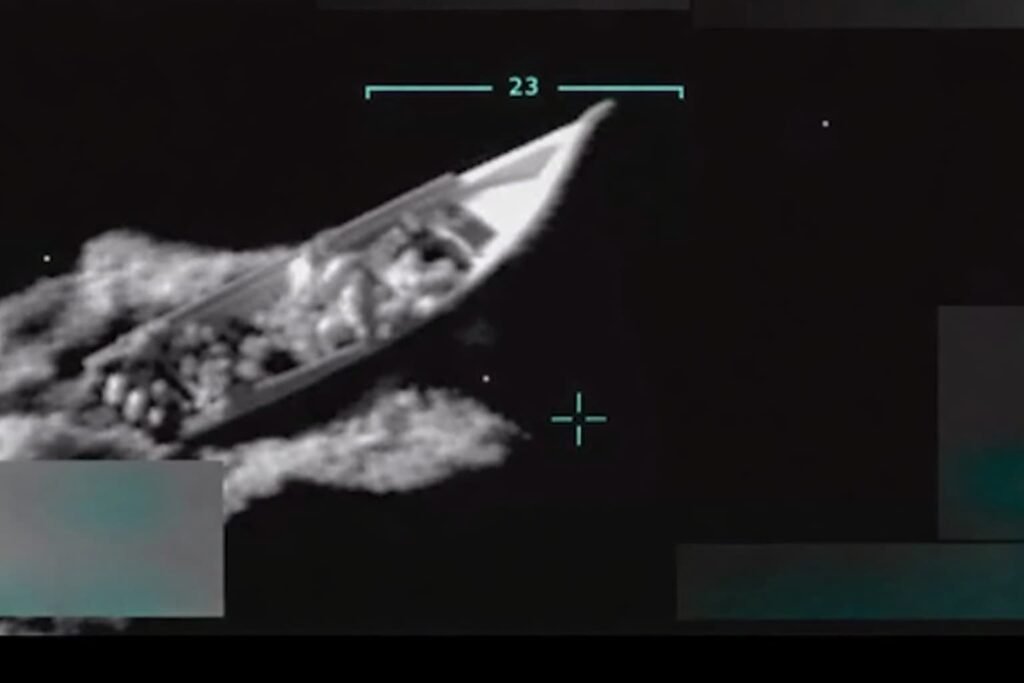
The United States military says it carried out fresh strikes on two boats allegedly carrying narcotics on Wednesday, killing five people on board, as the Trump administration’s aggressive maritime campaign against drug trafficking continues to draw legal and political scrutiny.
In a statement, US Southern Command said the vessels were targeted as part of ongoing operations against suspected drug-smuggling networks operating across the Caribbean Sea and eastern Pacific Ocean. The command did not disclose the precise location of the strike.
The latest action comes just one day after US forces struck what they described as three “narco-trafficking vessels travelling as a convoy”, killing at least three people, according to the military.
Escalating Maritime Campaign
US forces have been targeting suspected drug-smuggling boats for the past three months, framing the operations as part of a broader “war on drugs” launched under President Donald Trump.
According to official figures, more than 30 US strikes have been carried out against vessels since early September, resulting in over 110 deaths. The first attack occurred on September 2, when a boat in international waters was struck by US forces.
That initial strike has since become a focal point of controversy after it emerged that the same vessel was hit twice. Two people who survived the first strike and were clinging to the hull were killed in a second strike, prompting questions from lawmakers about compliance with rules of engagement.
Concerns Over ‘Double-Tap’ Strikes
Several members of Congress have expressed alarm over what they described as a potential “double-tap” strike, a tactic that may violate the laws governing armed conflict if used against individuals no longer posing an immediate threat.
Legal experts say that while the Trump administration has characterised the campaign as a non-international armed conflict against alleged traffickers, such a classification is highly contested.
“Drug smugglers, even heavily armed ones, are not automatically lawful military targets,” one legal analyst told Reuters previously, warning that repeated strikes on survivors could breach international humanitarian law.
Survivors and Search Operations
In its statement on the December 30 convoy strike, Southern Command acknowledged that some individuals survived the initial engagement.
“The remaining narco-terrorists abandoned the other two vessels, jumping overboard and distancing themselves before follow-on engagements sank their respective vessels,” the command said.
It added that the US Coast Guard was “immediately notified” to search for survivors.
Reuters later reported that a US official, speaking on condition of anonymity, said eight survivors were believed to be in the water. It remains unclear whether any have since been located or rescued.
Lack of Public Evidence
Despite repeated assertions, the US military has not publicly released evidence showing that the targeted vessels were carrying drugs.
In its most recent update, Southern Command said intelligence assessments confirmed the boats were operating along known narcotics trafficking routes and were “engaged in narco-trafficking.”
Human rights groups argue that such claims require greater transparency, especially given the rising death toll and the use of lethal force in international waters.
Mounting Legal and Political Pressure
As the campaign intensifies, scrutiny in Washington is growing. Some lawmakers are calling for classified briefings to clarify the legal basis for the strikes and the safeguards in place to prevent civilian deaths.
Critics warn that treating drug trafficking as a battlefield conflict risks setting a dangerous precedent, while supporters argue that aggressive action is necessary to disrupt highly organised criminal networks.
For now, US operations at sea continue, with Southern Command signalling that further strikes remain possible as part of the administration’s expanded counter-narcotics strategy.