
By Harshit
WASHINGTON, JANUARY 31, 2026 —
Starting Thursday, Americans in five states who rely on government assistance to buy groceries will face new limits on what they can put in their shopping carts. Indiana, Iowa, Nebraska, Utah, and West Virginia are the first states to implement waivers restricting the use of Supplemental Nutrition Assistance Program (SNAP) benefits to purchase items such as soda, candy, and certain other foods considered unhealthy.
The changes affect roughly 1.4 million people and represent a significant shift in decades-long federal policy governing SNAP, a $100 billion program that supports about 42 million Americans nationwide.
A Push to Link Nutrition Policy With Chronic Disease
The restrictions are part of a broader effort led by Robert F. Kennedy Jr., the U.S. Secretary of Health and Human Services, and Brooke Rollins, who have urged states to remove foods linked to obesity, diabetes, and other chronic illnesses from SNAP eligibility.
“We cannot continue a system that forces taxpayers to fund programs that make people sick and then pay a second time to treat the illnesses those very programs help create,” Kennedy said in a statement issued in December.
The initiative aligns with Kennedy’s “Make America Healthy Again” agenda, which prioritizes reducing diet-related diseases by discouraging consumption of sugary drinks and heavily processed foods.
What the New Rules Mean State by State
Each state’s waiver differs in scope:
- Utah and West Virginia will prohibit SNAP purchases of soda and soft drinks.
- Nebraska will ban soda and energy drinks.
- Indiana will restrict soft drinks and candy.
- Iowa, the most restrictive so far, will block SNAP use for taxable foods, including soda, candy, and some prepared items.
The waivers take effect January 1 and will remain in place for two years, with an option to extend them for an additional three, according to the U.S. Department of Agriculture. States are required to evaluate the impact of the changes over time.
Retailers Warn of Confusion at Checkout
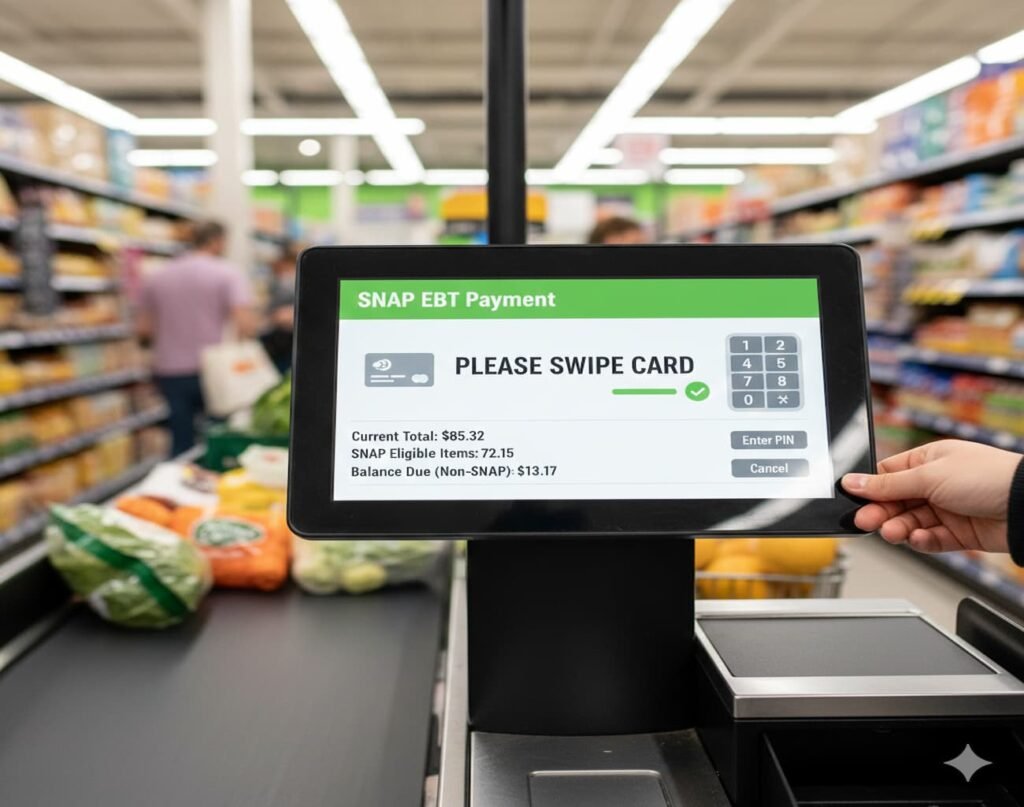
Retailers and policy analysts say the rollout could be rocky. The National Retail Federation has warned that grocery stores may face longer checkout lines, customer frustration, and technical challenges at point-of-sale systems.
Industry groups estimate that implementing and maintaining the new restrictions could cost retailers about $1.6 billion initially, followed by roughly $759 million annually.
“It’s a disaster waiting to happen of people trying to buy food and being rejected,” said Kate Bauer, a nutrition scientist at the University of Michigan.
A Break From Longstanding SNAP Policy
Since its origins in 1964, SNAP—long known as food stamps—has allowed recipients to purchase nearly any food intended for human consumption, with limited exceptions such as alcohol, tobacco, and ready-to-eat hot foods. That approach was reaffirmed in the Food and Nutrition Act of 2008.
Past attempts to restrict purchases of items like junk food or high-cost meats were rejected after USDA research concluded that such measures would be expensive, complicated, and unlikely to significantly improve health outcomes.
Under the second Trump administration, however, states were encouraged to revisit those ideas.
“This isn’t the usual top-down, one-size-fits-all public health agenda,” Indiana Governor Mike Braun said when announcing his state’s waiver request last year. “We’re focused on root causes, transparent information, and real results.”
Health Benefits Remain Uncertain
While supporters argue the waivers could reduce sugar consumption, health experts caution that evidence remains mixed. Research has not consistently shown that restricting SNAP purchases leads to better diets or lower obesity rates.
Critics also argue the policy ignores broader structural issues. “This doesn’t solve the two fundamental problems,” said Anand Parekh, chief policy officer at the University of Michigan School of Public Health. “Healthy food in this country is not affordable, and unhealthy food is cheap and ubiquitous.”
Anti-hunger groups warn the changes could increase stigma for SNAP recipients. Gina Plata-Nino of the Food Research & Action Center said unclear food lists may leave families embarrassed or confused at checkout counters.
Lived Impact on SNAP Recipients
For people like Marc Craig, 47, of Des Moines, who has been living in his car since October, the new rules add another layer of stress. Craig receives $298 per month in SNAP benefits and worries about accidentally selecting items now deemed ineligible.
“They treat people that get food stamps like we’re not people,” he said.
A National Test Case for Food Policy
At least 13 more states are considering similar waivers, making the current rollout a test case for whether food restrictions can meaningfully improve public health without harming access or dignity.
As the waivers take effect, policymakers, researchers, and advocates will be watching closely to see whether limiting SNAP choices changes diets—or simply makes it harder for low-income Americans to navigate an already strained food system.