
By Harshit
NEW YORK — DEC. 13, 2025
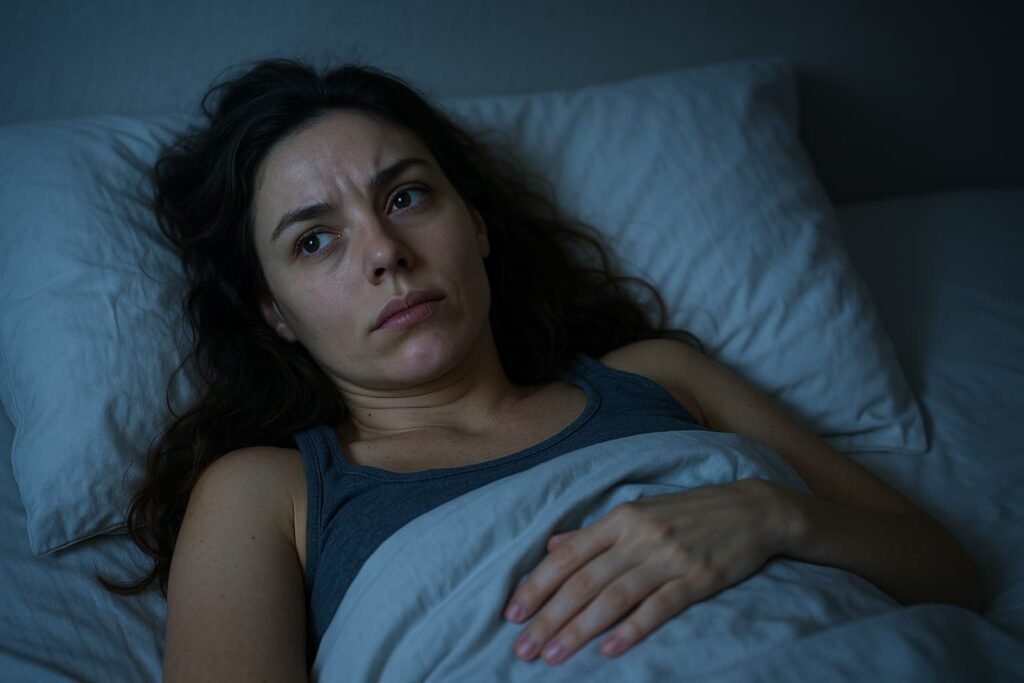
Insomnia and chronic sleep deprivation are now among the most consequential lifestyle factors reducing life expectancy in the United States, according to new research that places insufficient sleep ahead of diet, physical activity, and even social isolation in predicting early mortality. The findings come as an estimated six in ten American adults report they do not get enough sleep, making inadequate rest a nationwide health concern with broad biological and societal implications.
Insomnia — defined as difficulty falling asleep, staying asleep, or waking too early — affects roughly 16% of the global population. In the U.S., insufficient sleep has long been linked to chronic conditions including cardiovascular disease, type 2 diabetes, obesity, depression, anxiety, gastrointestinal disorders, and dementia. But the latest analysis, published in Sleep Advances, shows that the consequences extend well beyond quality of life, significantly decreasing life expectancy at the county and national levels.
A Stronger Predictor of Early Death Than Diet or Exercise
The study, led by Dr. Andrew McHill of Oregon Health & Science University, used data from the 2019–2025 CDC Behavioral Risk Factor Surveillance System to quantify how sleep patterns correspond with mortality across the U.S. McHill and colleagues found a consistent, powerful relationship: counties with higher rates of insufficient sleep had lower life expectancy, regardless of region, demographics, or environmental conditions.
“We first examined the relationship between insufficient sleep and the number of health outcomes in Oregon, and there were robust relationships — particularly with life expectancy,” McHill said. “When we looked at other states, time and time again, there were strong relationships across the country.”
The team then compared insufficient sleep to other widely accepted predictors of longevity: diet quality, physical activity, and social connection. Sleep emerged as a more potent predictor of lower life expectancy than every factor except smoking.
“These findings deliver the message that regardless of where you live — rural, urban, north, south, east, or west — sleep plays a vital role in our health,” McHill said. “Even during extreme circumstances like the COVID-19 pandemic, sleep continued to be a key driver of long-term outcomes.”
Why Sleep Loss Carries Such Broad Risks
Poor sleep compromises nearly every major biological system. Chronic sleep deprivation affects cardiovascular regulation, metabolic processes, immune function, brain health, and psychological resilience. Over time, these impacts accumulate in ways that directly influence mortality.
Medical experts not involved in the study say the results confirm what clinicians have observed for decades.
“As a doctor who regularly treats patients struggling with sleep, my reaction is one of profound validation,” said Dr. Pakkay Ngai, medical director of the Sleep-Wake Center at Palisades Medical Center. “To see that insufficient sleep outweighs the impact of diet and exercise as a predictor of life expectancy is a stunning confirmation of what we try to impress upon patients: sleep is not a luxury. It is a biological necessity.”
Dr. Jimmy Johannes, pulmonologist and critical care specialist at MemorialCare Long Beach Medical Center, echoed that sentiment, adding that the study reinforces prior evidence linking sleep deprivation to shortened lifespan.
“It’s not surprising,” he said. “But it is sobering.”
Improving Sleep: What Experts Recommend
Ngai and Johannes offered several strategies for individuals struggling with chronic sleep loss:
1. Prioritize sleep.
Modern life often treats sleep as expendable, but experts emphasize that scheduling consistent rest is essential for long-term health.
2. Create a sleep-conducive environment.
A cool, dark, quiet room enhances sleep quality.
3. Maintain a regular schedule.
Going to bed and waking at the same time each day stabilizes circadian rhythms.
4. Establish a wind-down routine.
Reading, warm baths, meditation, or relaxation techniques help slow the mind before bed.
5. Avoid sleep disruptors.
Caffeine, alcohol, and heavy meals in the hours before bedtime interfere with sleep cycles.
6. Limit screen exposure.
Blue light suppresses melatonin production — experts recommend avoiding screens 30–60 minutes before bed.
7. Address underlying mental health or medical issues.
Stress, anxiety, depression, and untreated sleep disorders often contribute to long-term insomnia.
Johannes emphasized that persistent sleep problems warrant professional evaluation: “Inadequate and poor sleep can be a sign of a sleep disorder, so exploring why you have poor sleep is critical.”
A National Issue With Life-and-Death Consequences
As researchers continue investigating the mechanisms linking sleep to longevity, they say the message is already clear: improving sleep habits may be one of the most powerful ways Americans can increase their life expectancy.
“Sleep affects nearly every biological process,” McHill said. “It deserves the same attention we give to diet, exercise, and other pillars of health.”