
By Harshit, WASHINGTON, DECEMBER 8, 2025 — 7 AM EDT
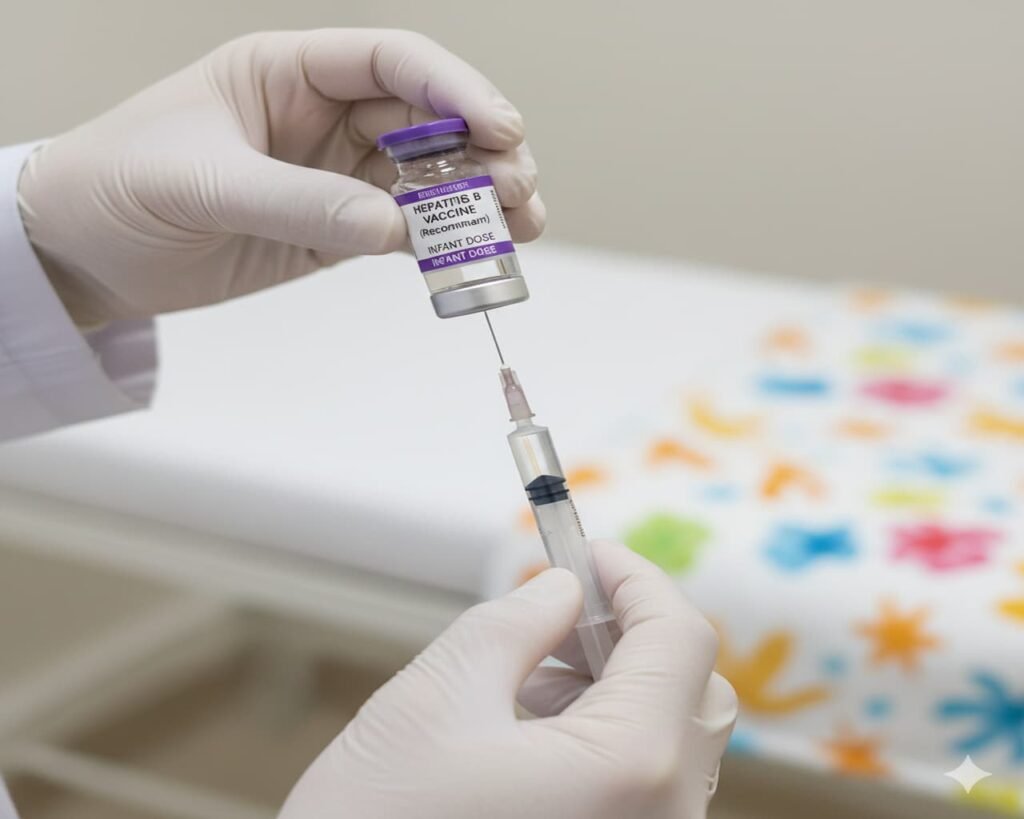
In a sweeping and controversial shift in U.S. vaccination policy, newly appointed advisers to the US Centers for Disease Control and Prevention voted Friday to abandon the long-standing recommendation that all newborns receive a hepatitis B vaccine at birth. Public health experts warn the decision could reverse decades of progress against a deadly but preventable liver disease and lead to more infections in infants and children.
The vote by the CDC’s Advisory Committee on Immunization Practices (ACIP) marks the most significant change to the childhood vaccine schedule since the early 1990s. Universal hepatitis B vaccination for newborns has been recommended in the United States since 1991, a policy credited with reducing infant infections from an estimated 18,000 cases per year to about 20.
Under the new recommendation, ACIP voted 8–3 to replace routine birth-dose vaccination with “shared decision-making” between parents and healthcare providers for babies born to mothers who test negative for hepatitis B. If the vaccine is not given at birth, the panel suggests delaying it until at least two months of age. The committee also voted 6–4 to recommend testing children for immunity before administering later doses.
The recommendations now go to acting CDC Director Jim O’Neill for approval. Historically, the agency follows ACIP guidance.
A Sudden Shift in Policy
The vote follows dramatic changes to the advisory committee itself. Earlier this year, US Health and Human Services Secretary Robert F. Kennedy Jr. removed all 17 sitting ACIP members and replaced them with new appointees, many of whom have expressed skepticism toward vaccines. Kennedy, a longtime critic of vaccine policy, has repeatedly questioned the need for vaccinating newborns against hepatitis B, a virus primarily spread through blood and bodily fluids.
“This is about giving parents more choice,” said ACIP member Dr. Retsef Levi, a professor at MIT, who argued that families should decide whether to delay vaccination for months or even years.
Not all members agreed. Dr. Cody Meissner, a pediatric infectious disease specialist at Dartmouth University, voted against the change and warned it would cause harm. “We are doing harm by changing this wording,” Meissner said during the meeting. Psychiatrist Dr. Joseph Hibbeln echoed the concern, saying the new policy has “great potential to cause harm.”
Why Hepatitis B Matters for Infants
Hepatitis B is an extremely contagious viral infection that attacks the liver. While many adults clear the virus, infants and young children are far more likely to develop chronic infection. About 90% of infants infected with hepatitis B will carry the virus for life, significantly increasing their risk of liver failure, cirrhosis, and liver cancer. People with chronic hepatitis B face a 70% to 85% higher risk of premature death.
Transmission can occur during childbirth, but also through close household contact, including minor cuts, bites, or shared personal items — exposures that are difficult to predict or prevent. That uncertainty is precisely why universal vaccination at birth has been viewed as a safety net.
Since the adoption of the birth-dose policy, U.S. infant hepatitis B infections have plummeted. Infectious disease specialists say delaying vaccination, even for babies whose mothers test negative, leaves a dangerous gap in protection.
Warnings From the Medical Community
Public health leaders across the country reacted swiftly to the vote. Former CDC immunization director Dr. Demetre Daskalakis warned that the revised guidance would create confusion for doctors and parents alike. “When providers are confused, the wrong medical decisions get made,” he said.
The American Academy of Pediatrics and the Infectious Diseases Society of America reaffirmed their support for vaccinating all newborns at birth. AAP President Dr. Susan J. Kressly called the ACIP decision “irresponsible and purposely misleading,” adding that it is not based on new safety data.
The American Medical Association urged acting CDC Director O’Neill to reject the recommendations, calling them reckless and harmful to public trust. Sen. Bill Cassidy, a physician and Republican who helped confirm Kennedy as HHS secretary, also publicly opposed the change, warning it would make the country “sicker.”
Evidence Points to Rising Risk
A new modeling study released ahead of the vote, though not yet peer-reviewed, estimates that delaying the hepatitis B birth dose by just two months could lead to more than 1,400 additional infections and nearly 500 preventable deaths for each year the policy remains in place. Longer delays would drive those numbers even higher and add hundreds of millions of dollars in healthcare costs.
“There’s no going back once chronic infection develops,” said Dr. Eric Hall, lead author of the study. “Universal infant vaccination has been the cornerstone of hepatitis B elimination for decades.”
What Happens Next
Even if approved, the new recommendation would not ban hepatitis B vaccines or prevent parents from choosing to vaccinate at birth. Vaccines would remain available at no cost. But experts say altering the national recommendation sends a powerful signal that the vaccine is risky — a claim they argue is unsupported by decades of evidence showing the shot to be safe and effective.
As acting CDC Director Jim O’Neill weighs whether to sign off on the guidance, doctors and public health officials warn that weakening the birth-dose recommendation risks undoing one of the most successful infectious disease prevention efforts in modern U.S. history.