
By Harshit
NEW YORK, Nov. 23, 2025
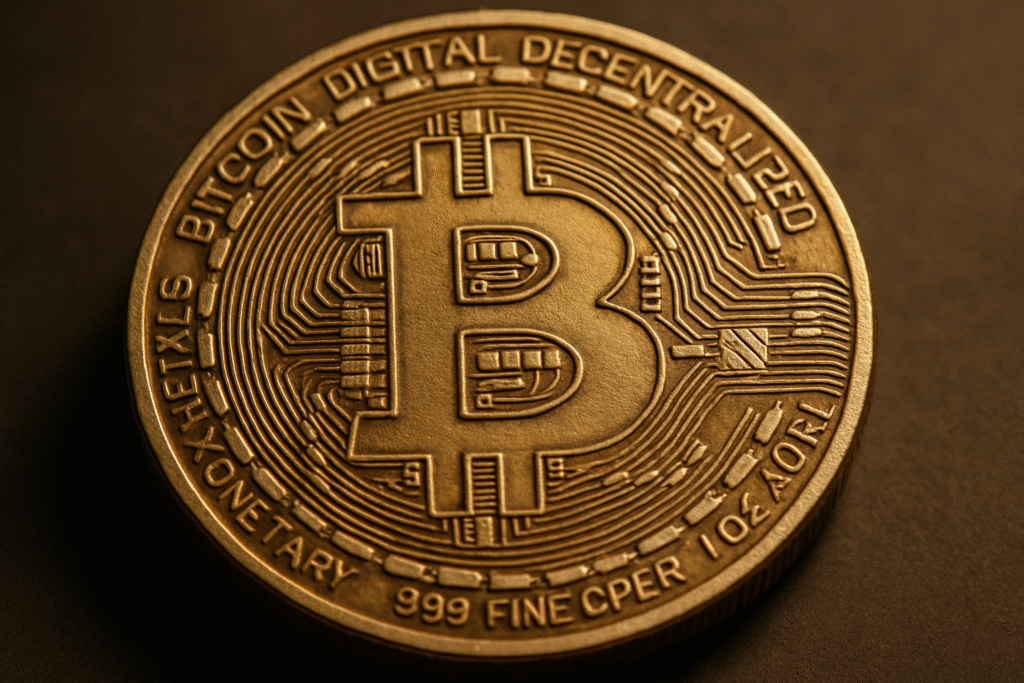
Bitcoin extended its steep decline on Friday, deepening a weeks-long rout that has erased nearly $800 billion in market value since the cryptocurrency hit an annual peak last month. The plunge has completely unwound bitcoin’s 2025 gains and reignited debate over whether digital assets are entering a more prolonged downturn.
After closing near $125,000 on Oct. 6, bitcoin has dropped roughly one-third in value. On Friday morning, the world’s largest cryptocurrency fell below $82,000 before rebounding slightly to $83,509, according to data from CoinGecko. It is now trading at its weakest level since April and is heading toward what analysts say could be its worst monthly performance since 2022 — a year marked by high-profile crypto bankruptcies and cascading market panics.
The latest decline comes at a fragile moment for global financial markets, with investors increasingly concerned about lofty valuations in artificial intelligence-related stocks, weakening labor market signals, and the possibility that the Federal Reserve may forgo a rate cut at its December meeting.
Tech Market Volatility Spills Into Crypto
Analysts say the sell-off in bitcoin is closely tied to the deepening volatility across the technology sector. A broad pullback in AI-related equities in recent days has rattled market sentiment, pushing traders out of risk-sensitive assets — including cryptocurrencies.
“When tech sneezes, it’s natural to expect Bitcoin to catch a cold,” said Nic Puckrin, investment analyst and co-founder of The Coin Bureau. Bitcoin’s price historically tracks risk sentiment in the tech sector, rising during periods of enthusiasm and falling sharply when investors turn cautious.
With concerns mounting that AI stocks may be in bubble territory, traders have shifted away from speculative positions, accelerating the crypto downturn.
Weak Labor Market and Fed Uncertainty Add Pressure
The U.S. labor market has shown signs of softening, and the recently released delayed economic data — following the government’s 43-day shutdown — has added to uncertainty. The September unemployment rate climbed to 4.4%, its highest since October 2021.
Investors increasingly believe the Federal Reserve may pause its rate-cutting cycle next month, reversing earlier expectations of another quarter-point cut. Higher-for-longer interest rates decrease the appeal of non-yielding assets like bitcoin, further weighing on its price.
“The future is uncertain. It almost feels like it’s moving back to the question: do I even want to hold bitcoin in this environment?” said Thomas Chen, CEO of crypto firm Function.
Margin Calls and Forced Selling Accelerate the Decline
Another significant factor behind bitcoin’s sharp tumble is forced liquidation tied to leveraged trading. Platforms such as Coinbase now offer “perpetual futures,” allowing traders to use leverage of up to 10-to-1. While leverage amplifies gains, it also magnifies losses — making traders more vulnerable to swift corrections.
“When traders borrow heavily to magnify positions, any reversal triggers liquidations that accelerate the move,” said Nigel Green, CEO of financial advisory group deVere.
When bitcoin’s price falls, leveraged investors may face margin calls. If they are unable to meet them, positions are automatically liquidated, creating a snowball effect of selling pressure. Analysts said this dynamic is playing a major role in the current downturn.
Historical Patterns Suggest the Pullback May Be Temporary
Despite the steep losses, some analysts caution against assuming that bitcoin is headed into a prolonged bear market. Historically, bitcoin bull cycles have included multiple corrections of 20–30% or more, followed by recoveries to new highs.
“Bitcoin has historically experienced around five corrections of 20–30% or more during bull markets,” said Brian Vieten, a research analyst at Siebert Financial. He added that the current pullback may represent “temporary headwinds” rather than a lasting reversal.
Some traders even see an opportunity: as bitcoin’s price falls, long-term believers often accumulate positions at lower levels, hoping to capitalize on future rebounds.
Still, market uncertainty remains elevated. With AI valuations under scrutiny, global economic conditions shifting, and the December Federal Reserve meeting looming, analysts say volatility is likely to remain a defining feature for bitcoin in the weeks ahead.