
By Harshit
Mountain View, California | November 16, 2025 | 2:00 AM EDT
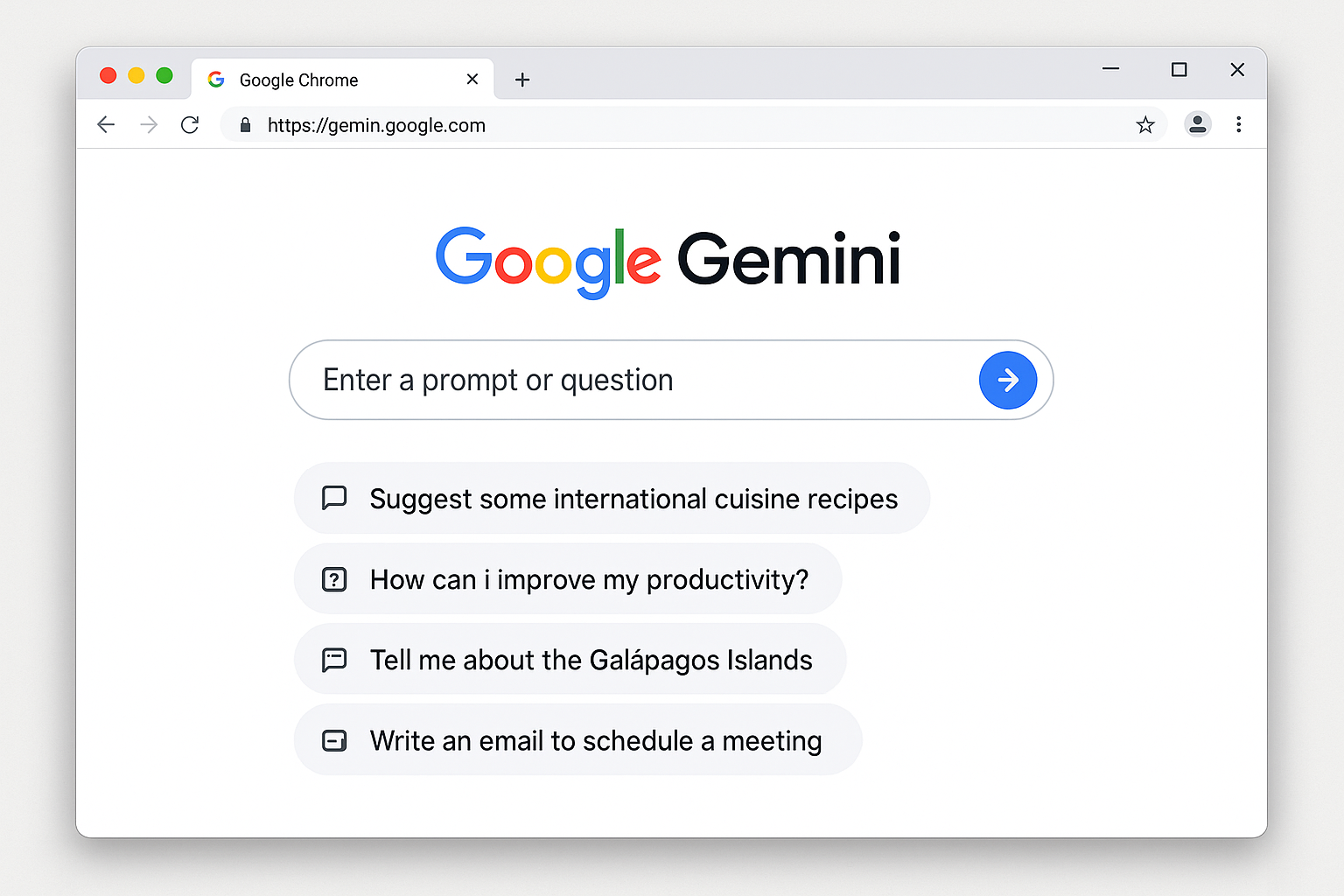
Google is pushing its generative artificial intelligence system, Gemini, deeper into its ecosystem, expanding the technology across Chrome, Android, Google Maps, and even smart-home devices. At the same time, the company is placing a stronger emphasis on safety, privacy controls, and anti-abuse protections as U.S. regulators increase scrutiny of AI integration across major tech platforms.
The expansion marks one of Google’s largest AI rollouts to date and reflects the intensifying pressure to deliver more reliable and grounded AI responses.
Gemini’s Integration Across Chrome and Android
In 2025, Google began moving Gemini directly into its Chrome browser and Android operating system for U.S. users. This integration allows Gemini to act as a real-time assistant across different apps and webpages without needing separate extensions or add-ons.
Inside Chrome, Gemini can now:
- Summarize long webpages
- Suggest answers within the search bar
- Fill forms with contextual understanding
- Analyze open tabs and organize them
- Assist with scheduling, travel planning, and media recommendations
Android users are also getting Gemini integrated into system-level functions such as messaging, map navigation, photo organization, and device settings.
Google is simultaneously rolling out Gemini for smart-home devices, enabling conversational commands on speakers, displays, and connected appliances. This extension aims to unify Google’s hardware ecosystem around a single AI model.
Gemini’s New Safety Controls and Hallucination Reduction
As Gemini becomes more central, Google is adding a wide set of safety enhancements intended to reduce misinformation, harmful outputs, and privacy risks.
1. Improved Grounding to Reduce Hallucinations
Google’s latest Gemini models have been refined to verify responses against more reliable data sources before generating an answer. This reduces the likelihood of AI “hallucinations,” where a model produces confident but incorrect statements.
2. Scam and Phishing Warnings
Chrome now uses Gemini to detect risky or suspicious behavior on websites, warning users before they enter sensitive information. The system looks for patterns associated with phishing, fake forms, and fraudulent pages.
3. Stronger Privacy Controls
Users can now disable certain Gemini capabilities, such as cross-tab actions or data-assisted browsing, if they prefer more privacy. Google says the new controls allow individuals to limit how much contextual data the AI can access while still offering assistance.
4. Enterprise Audit Logs
For business and government users, Google is expanding administrative tools that log Gemini activity, particularly in workplace settings. Admins can monitor AI-assisted actions involving sensitive files, emails, or downloads to prevent misuse.
U.S. Regulatory Pressure on Google’s AI Ecosystem
American regulators have become increasingly concerned about how large AI systems integrate with major platforms. Google’s dominance in web browsing, search, and mobile operating systems means that embedding Gemini directly into Chrome and Android could limit competition.
Regulators are examining questions such as:
- Does Gemini steer users toward Google services over competitors?
- Does deep AI integration reduce user choice?
- Is Google gaining an unfair advantage by bundling AI with its core products?
- Do consumers fully understand how their data is used by system-level AI assistants?
The U.S. Department of Justice and Federal Trade Commission have both signaled interest in how AI may reinforce existing market dominance among major tech companies. Google insists its AI tools are designed with user safety and optionality in mind, but scrutiny is expected to continue throughout 2025.
What This Means for U.S. Consumers
For everyday users, the expansion of Gemini means more advanced features that work across apps and devices:
- Smarter browsing through Chrome
- Faster scheduling, summarizing, and real-time assistance
- Better safety when navigating unknown websites
- More accurate, grounded AI responses
- Improved smart-home automation
However, the trade-offs involve:
- Greater reliance on Google’s ecosystem
- New questions about how device-level AI uses contextual data
- The need to understand privacy settings before enabling certain features
The push toward embedded AI also raises broader questions about how much control users should have over automated decisions on their devices.
The Bottom Line
Google’s Gemini expansion is a major step toward integrating generative AI into the daily experience of millions of Americans. With this rollout, Google is emphasizing not just capability, but responsibility—introducing stronger safety protections, grounding methods, and user controls.
As AI becomes more central to personal technology, the company faces both opportunity and oversight. U.S. regulators will continue monitoring the broader impact of such powerful AI systems, while consumers will need to navigate the benefits and risks that come with deeper AI integration.
For now, Gemini represents a turning point in how digital assistance operates in the U.S. tech landscape.