
By Harshit
Boston, Massachusetts | November 16, 2025 | 01:55 AM EDT
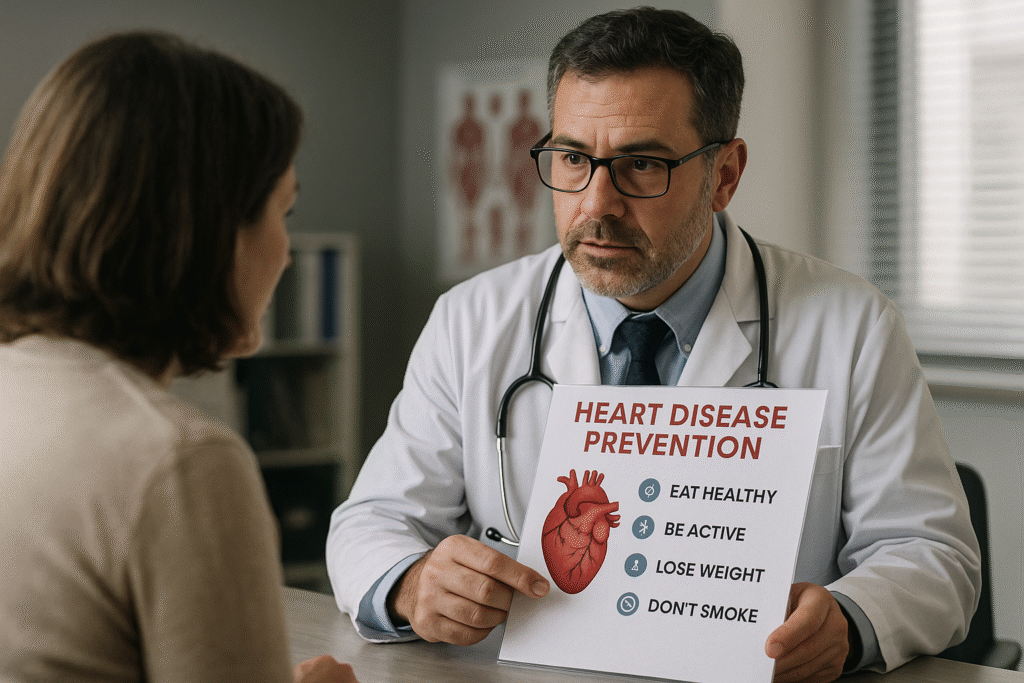
A major new study has found that a handful of simple lifestyle changes can lower the risk of heart disease by up to 40%, offering Americans a practical and powerful way to protect their long-term health. Published this week in the Journal of the American Heart Association, the research highlights how small adjustments in diet, exercise, sleep, and daily habits can significantly reduce the risk of developing the nation’s leading cause of death.
Heart disease kills more Americans each year than cancer, respiratory disease, and diabetes combined. But the study’s findings reinforce what many cardiologists have long suspected: with the right daily habits, heart disease is largely preventable.
What the Study Found
Researchers tracked more than 12,000 adults between the ages of 35 and 75 for nearly a decade. Participants who adopted even three of the recommended lifestyle habits lowered their risk of heart disease by 30% to 40%. Those who practiced five or more saw even greater protection.
The key habits were:
- eating a heart-healthy diet
- increasing physical activity
- reducing processed sugar
- improving sleep
- managing stress
- avoiding tobacco
- maintaining a healthy weight
Even participants with genetic risk factors experienced substantial benefits.
“This study shows that you don’t need extreme changes,” said Dr. Andrew Collins, a preventive cardiologist and lead author. “You need consistent, realistic habits. That’s where the real impact lies.”
1. Diet: The Strongest Protective Factor
The study found diet to be the single most powerful predictor of long-term heart health.
Participants who followed a Mediterranean or DASH-style diet — rich in:
- fruits
- vegetables
- whole grains
- nuts
- olive oil
- lean protein
…saw a 20% drop in heart disease risk even without exercising more.
Meanwhile, diets high in:
- processed food
- red meat
- sugary drinks
- fried foods
dramatically increased the risk of heart attack and stroke.
Researchers estimate that replacing even one sugary drink a day with water or unsweetened tea can reduce risk by 6–10%.
2. Exercise: Small Amounts, Big Impact
Exercise did not need to be intense to be effective.
The biggest improvements came from:
- 30 minutes of walking, 5 days a week, or
- 15 minutes of moderate activity daily
People who added short bursts of activity — climbing stairs, light jogging, or brisk walking — saw improvements in blood pressure, cholesterol, and body weight.
The study emphasized that being inactive was a greater risk factor than being overweight.
“Movement beats perfection,” Dr. Collins said. “Even small increases in activity create measurable benefits.”
3. Sleep: The Forgotten Heart Health Factor
Adults who slept 7–8 hours per night had significantly lower rates of heart disease.
Those who consistently slept less than 6 hours had:
- higher blood pressure
- higher resting heart rate
- increased inflammation
- elevated stress hormones
Sleep quality also mattered. People who went to bed at inconsistent hours had poorer metabolic health.
The study notes that for many Americans, improving sleep may be easier and more effective than any diet change.
4. Stressa Management: A Major Predictor
Chronic stress, especially work-related stress, was linked to:
- increased blood pressure
- higher inflammation
- unhealthy coping habits (smoking, overeating, drinking)
Stress-reduction techniques that showed measurable benefits included:
- deep-breathing exercises
- meditation
- short outdoor walks
- setting routine breaks from screens
- talking with friends or family
Participants who practiced stress-reducing habits at least four days per week had a 15% lower heart disease risk.
5. Tobaacco Use: The Most Dangerous Habit
Smoking and vaping were the strongest lifestyle-related risks.
Even light smokers — fewer than 5 cigarettes per day — had a substantially higher risk of heart disease.
Former smokers who quit for at least one year reduced their risk by nearly 50%.
Nicotine, not just smoke, affects the heart by:
- constricting blood vessels
- raising blood pressure
- increasing heart rate
- damaging artery walls
“The heart begins healing within weeks of quitting,” researchers wrote.
6. Weight Management and Metabolic Health
The study confirmed that waist measurement is often a better predictor of heart disease than weight alone.
Excess fat around the abdomen raises the odds of:
- diabetes
- high blood pressure
- high LDL cholesterol
- inflammation
Participants who maintained a stable, healthy weight — even if not “thin” — showed significantly lower risk.
Who Benefits the Most?
One of the study’s most important findings: even people with a strong family history of heart disease saw significant improvements.
Those with genetic markers for heart problems reduced their risk by up to 32% simply by adopting three lifestyle changes.
This suggests heart disease is not inevitable, even for those at higher baseline risk.
What This Means for Americans
Heart disease affects more than 126 million adults and costs the U.S. health system hundreds of billions each year. Despite this, many Americans underestimate the power of simple habits.
The study’s conclusions are clear:
- You do not need extreme diets
- You do not need intense workouts
- You do not need expensive programs
Small daily changes — walking more, eating whole foods, sleeping properly, managing stress, and avoiding tobacco — produce some of the strongest health benefits available.
“This is a reminder that prevention is achievable,” Dr. Collins said. “Your habits matter more than your genetics.”