
By Harshit
WASHINGTON, NOVEMBER 7
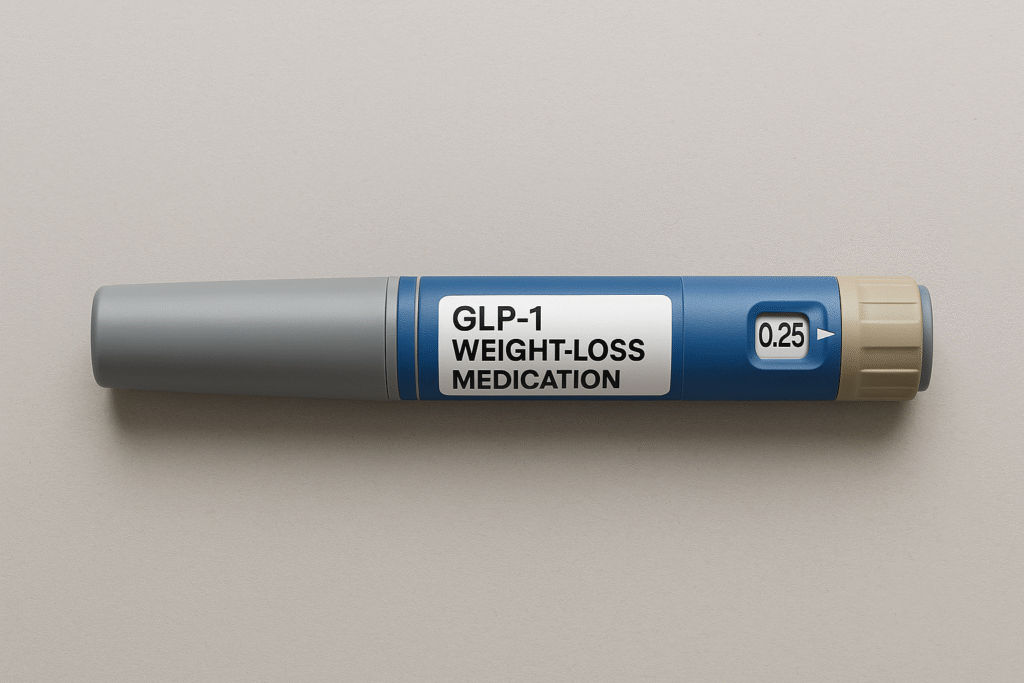
Some of the most widely discussed obesity medications in the United States — including injectable GLP-1 drugs used for weight loss and diabetes management — are set to become significantly cheaper under newly announced agreements between the Trump administration and pharmaceutical manufacturers Eli Lilly and Novo Nordisk. The deals are likely to reshape how millions of Americans access these treatments, particularly Medicare enrollees who have historically faced limited coverage and high out-of-pocket costs.
A Shift in Pricing Strategy
Under the new arrangements, the drugmakers have agreed to reduce the prices of GLP-1 medications to levels closer to those paid in peer countries, while also expanding direct-to-consumer purchase options. This includes lowering monthly cash-pay prices for popular injectables and setting a baseline cost for new oral versions of the drugs, pending approval.
Consumers purchasing injectable GLP-1 medications directly from the companies will initially pay around $350 per month, with a scheduled reduction to approximately $250 over the next two years. If low-dose oral tablets receive regulatory approval, their starting cost is expected to be $149 per month, a price point that could significantly broaden entry to this class of medication.
These consumer pricing changes will align with the launch of TrumpRx, a federal direct-to-consumer platform expected to go live in early 2026. The platform will allow individuals to compare medication prices before purchasing, marking a major shift toward centralized drug price transparency.
Expanded Access for Medicare Patients
One of the most consequential components of the deal affects Medicare coverage. Historically, Medicare has been restricted from covering medications prescribed strictly for weight loss, even when obesity contributed to other chronic conditions. The new policy framework broadens eligibility for Medicare enrollees who have obesity combined with health conditions such as diabetes, prediabetes, high blood pressure, cardiovascular disease, or a history of stroke.
Under this expansion:
- Eligible Medicare beneficiaries will pay a $50 monthly copay for certain GLP-1 medications.
- Medicare’s reimbursement cost for these drugs will be lowered to $245, offsetting program costs without the need for additional federal spending.
About 10% of Medicare beneficiaries are expected to qualify under the updated criteria.
Medicaid and State-Level Effects
The agreements also include state Medicaid programs, though implementation timelines will vary. States that currently cover GLP-1 medications for chronic disease management may see lower purchasing costs, while others may revisit coverage decisions as new pricing structures take effect. Some states had previously halted coverage due to financial strain; these pricing revisions could prompt reevaluation.
Balancing Cost with Public Health Goals
The administration has positioned the pricing deals as part of a broader chronic-disease reduction strategy — one acknowledging the intersection of obesity, cardiovascular disease, and metabolic disorders. Officials emphasized that while medication can support significant weight loss, long-term success still requires improved nutrition, regular physical activity, and sustained lifestyle adjustments.
The move also reintroduces a version of “Most Favored Nation” pricing, a model that ties U.S. drug costs to those in other high-income nations. In this case, the approach was implemented through voluntary agreements rather than regulation, reducing the likelihood of legal challenges.
Patients and Clinicians Respond
For many patients who have been unable to afford these medications — despite strong motivation to improve their health — the shift may represent a turning point. Medical professionals who treat obesity as a chronic disease have expressed cautious optimism, noting that lower prices could help remove one of the largest barriers to treatment adherence.
The true impact, however, will depend on how quickly the pricing changes take effect, the final regulatory approvals for oral formulations, and whether insurance systems adapt smoothly to the new coverage criteria.