
By Harshit
FRISCO, TEXAS — November 6, 2025 — 12:45 PM EDT
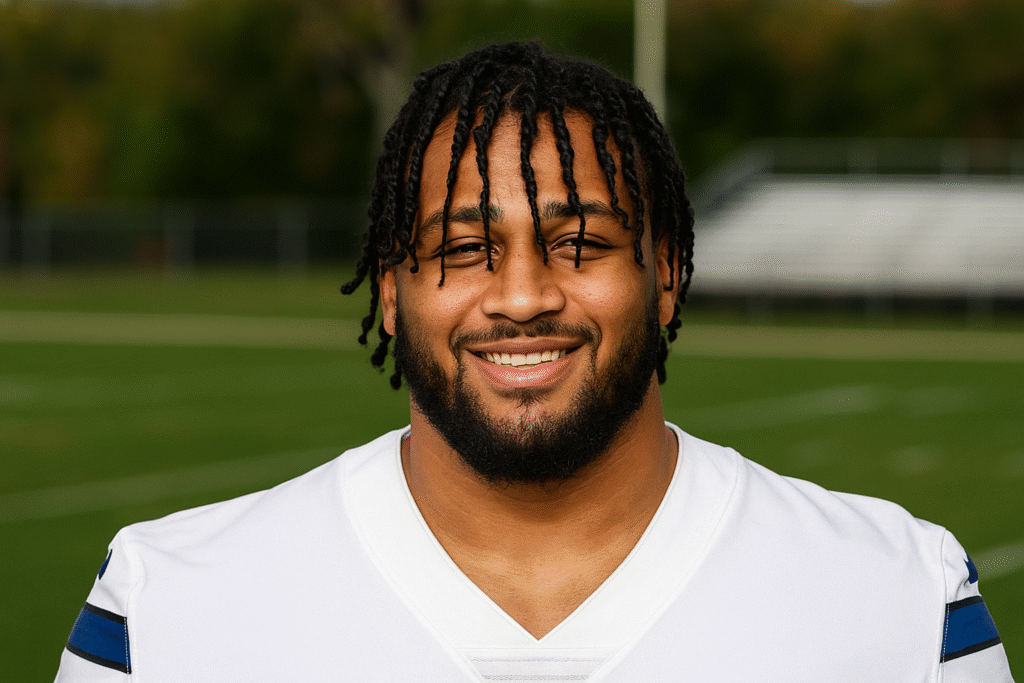
The NFL community continues to grapple with grief and uncertainty following the death of Dallas Cowboys defensive end Marshawn Kneeland, who died early Thursday morning at the age of 24. Authorities confirmed that Kneeland died from a self-inflicted gunshot wound following a police pursuit that ended in Frisco, Texas. The tragedy has sparked widespread concern about mental health pressures faced by professional athletes, drawing direct comparisons to the death of LSU wide receiver Kyren Lacy, who also died by suicide earlier this year under similar circumstances.
The Frisco Police Department released a detailed account of the events leading up to Kneeland’s death. According to their statement, officers were called to assist Texas Department of Public Safety (DPS) troopers who had attempted to stop a vehicle for a traffic violation on the Dallas North Tollway Wednesday night. The driver, later identified as Kneeland, fled. The pursuit was eventually terminated after troopers lost sight of the vehicle. Minutes later, the vehicle was found crashed near Warren Parkway.
Kneeland fled the scene on foot. During the search, police received information that Kneeland had made comments indicating suicidal intent. A coordinated search — involving K-9 units, drones, DPS personnel and local officers — followed. At 1:31 a.m., Kneeland was found deceased.
The Dallas Cowboys issued a statement Thursday morning expressing profound grief:
“It is with extreme sadness that the Dallas Cowboys share that Marshawn Kneeland tragically passed away this morning. Marshawn was a beloved teammate and member of our organization. Our thoughts and prayers regarding Marshawn are with his girlfriend Catalina and his family.”
Troubling Messages Before His Death
Additional details emerged Thursday from police dispatch audio obtained by TMZ, indicating Kneeland sent goodbye messages to family members and his girlfriend, who contacted authorities out of concern. The recording also revealed that the NFL had notified local police that one of its players might be in crisis.
The messages indicated that Kneeland may have been experiencing an intense mental health episode. Previous reports suggest that he had struggled with emotional distress in the past, though no formal record of diagnosis has been made public.
Fans Draw Parallels to the Death of Kyren Lacy
As news spread across social media, fans quickly drew comparisons to the April death of LSU football standout Kyren Lacy, who also died from a self-inflicted gunshot wound after a police pursuit in Texas. Lacy had been facing court proceedings related to a fatal accident at the time of his death.
The similarities — age, athletic profession, and context — have reignited conversations about the severe pressures placed on athletes in the public eye.
One fan wrote on X (formerly Twitter):
“The Marshawn Kneeland news mirrors Kyren Lacy in a heartbreaking way. Check on your people. Especially the strong ones.”
Another message read:
“We have to take men’s mental health more seriously. Therapy, support systems, emotional guidance — these should not be luxuries.”
A Promising Career Cut Short
Kneeland was selected by the Cowboys in the second round of the 2024 NFL Draft out of Western Michigan. Just days before his death, Kneeland delivered a highlight moment during Monday Night Football by recovering a blocked punt for a touchdown — a play that teammates celebrated as a symbol of his relentless work ethic and growing confidence.
He had appeared in several games this season, recording 15 tackles, multiple quarterback pressures, and key special teams contributions.
His passing marks the second time in recent years the Cowboys have lost a player during an active season, evoking memories of the 2012 death of linebacker Jerry Brown.
Mental Health in Sports Under Renewed Scrutiny
In recent years, the NFL and NCAA have expanded player mental health programs, but critics argue support remains inconsistent, reactive, and often stigmatized.
The deaths of Kneeland and Lacy have intensified calls for systemic change — including mandatory counseling access, confidential crisis intervention pathways, and community-based peer support structures.
A message circulated widely Thursday stated:
“Seeking help isn’t weakness. Not seeking help when you need it is what hurts the most.”