
By Harshit, Washington, D.C., October 31, 2025 – 2:15 PM EDT
Tariff Pressures Expected to Hit Consumers This Holiday Season
While the inflation impact of tariffs has been muted for much of 2025, economists now warn that the costs are about to filter through to consumer prices just as the holiday shopping season begins. President Donald Trump’s tariffs—imposed on a wide range of goods and trading partners since April—are starting to reshape inflation dynamics across the U.S. economy.
Despite earlier stockpiling efforts and profit-margin cushioning by companies, analysts expect the full effect to show up in prices for everyday consumer goods like clothing, coffee, and furniture. “There’s no debate — tariffs have pushed consumer prices higher,” said Aditya Bhave, an economist at Bank of America.
Inflation Staying Elevated
Trump’s trade policies have coincided with key inflation indicators, such as the Consumer Price Index (CPI) and Personal Consumption Expenditures (PCE) price index, holding steady between 2.5% and 3% this year. While this range might not signal a surge, it represents persistent inflation that the Federal Reserve had hoped would cool down.
Bank of America estimates that tariffs are contributing about half a percentage point to core PCE inflation, the Fed’s preferred measure. Without tariffs, September’s PCE would have been closer to 2.4%, compared to the current 2.9% reading.
Fed Chair Jerome Powell acknowledged similar figures earlier this week, while regional Fed presidents Jeffrey Schmid (Kansas City) and Lorie Logan (Dallas) publicly opposed the latest rate cut, arguing that inflation remains too elevated.
The Federal Reserve’s long-term target for core inflation is 2%, a level not seen since early 2021. Persistent tariff-driven inflation complicates the Fed’s path as it weighs the balance between economic growth and price stability.
Who’s Bearing the Tariff Burden?
Consumers are shouldering a significant portion of the tariff fallout. According to Bhave, shoppers are absorbing between 50% and 70% of total tariff costs, with businesses covering the rest through lower margins.
Initially, companies built up inventories ahead of the tariff hikes, temporarily softening the blow. But those buffers are now running out, and retailers are beginning to pass the additional costs along to customers.
The result: subtle but noticeable increases at the cash register. The Bureau of Labor Statistics reported that clothing prices rose 0.7% in September, while other consumer goods categories like coffee and furniture also saw modest hikes.
Perceptions of Inflation and Consumer Confidence
Even small price jumps in frequently purchased goods can significantly affect consumer confidence, analysts say. According to TD Cowen, “Inflation in certain goods can have an outsized impact on consumer confidence, even if those items carry a negligible weight in the CPI basket.”
Price-sensitive goods — like eggs or coffee — serve as “a constant, tangible feedback loop” for households, shaping their perception of inflation more than statistical data does. This psychological effect can create a self-reinforcing inflation cycle, where expectations drive further price increases.
The Holiday Impact: Tariffs Meet Seasonal Spending
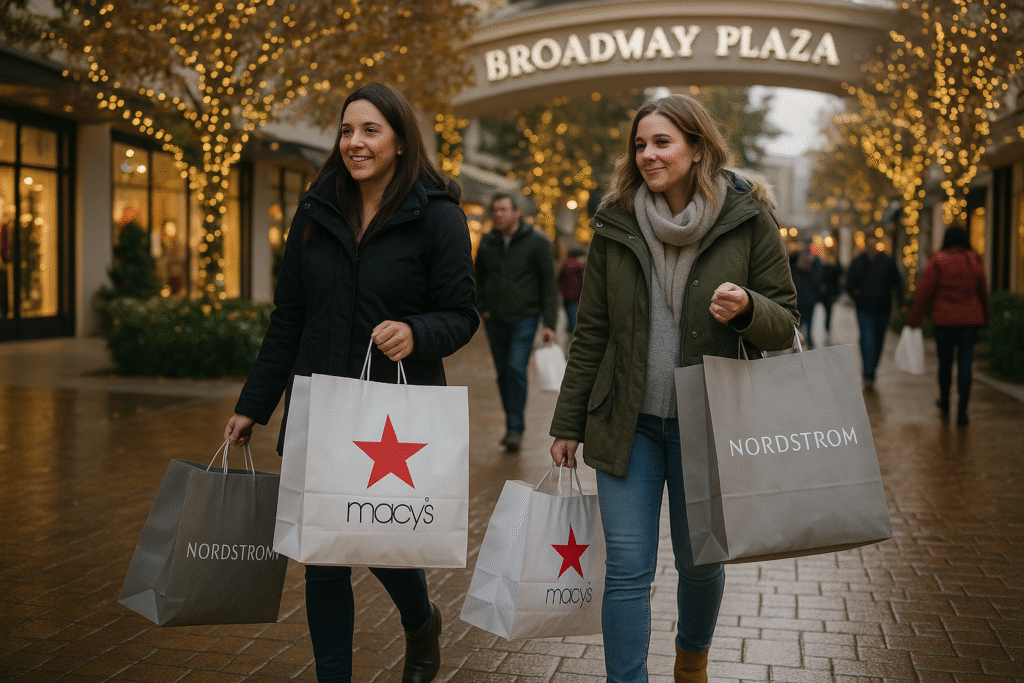
The timing couldn’t be worse for consumers preparing for holiday shopping. Many seasonal goods — including artificial Christmas trees, nearly all of which are imported from China — now face steep tariffs under the Trump administration’s trade measures.
“Artificial Christmas trees are not unique, but they are a clear example of how high-tariff, seasonal goods can shape consumer perceptions of inflation,” TD Cowen noted.
If the duties had been in place during last year’s holiday season, U.S. shoppers would have paid an estimated $40.6 billion more, according to LendingTree, which based its findings on government and private data.
The firm’s Budget Lab estimates that by June 2025, nearly 70.5% of new tariffs were already being passed on to consumers. That means an average cost of $132 per shopper this year — a significant hit during a period when many Americans rely on credit cards and personal loans to cover gift expenses.
“That’s the unfortunate reality that many people would have faced,” said Matt Schultz, LendingTree’s chief consumer finance analyst.
What’s Next for Inflation and Spending?
Economists expect tariffs to keep core inflation stubbornly above 2% into early 2026, especially as businesses fully adjust their pricing structures. With household debt at record levels and credit card interest rates high, even minor cost increases could pressure consumer spending, which accounts for two-thirds of U.S. GDP.
For policymakers, the holiday season could serve as an early test of how tariff-driven inflation ripples through the economy — and how much pain U.S. households can absorb before cutting back on discretionary purchases.