
By Harshit, Oct. 24, 2025 2 AM EDT
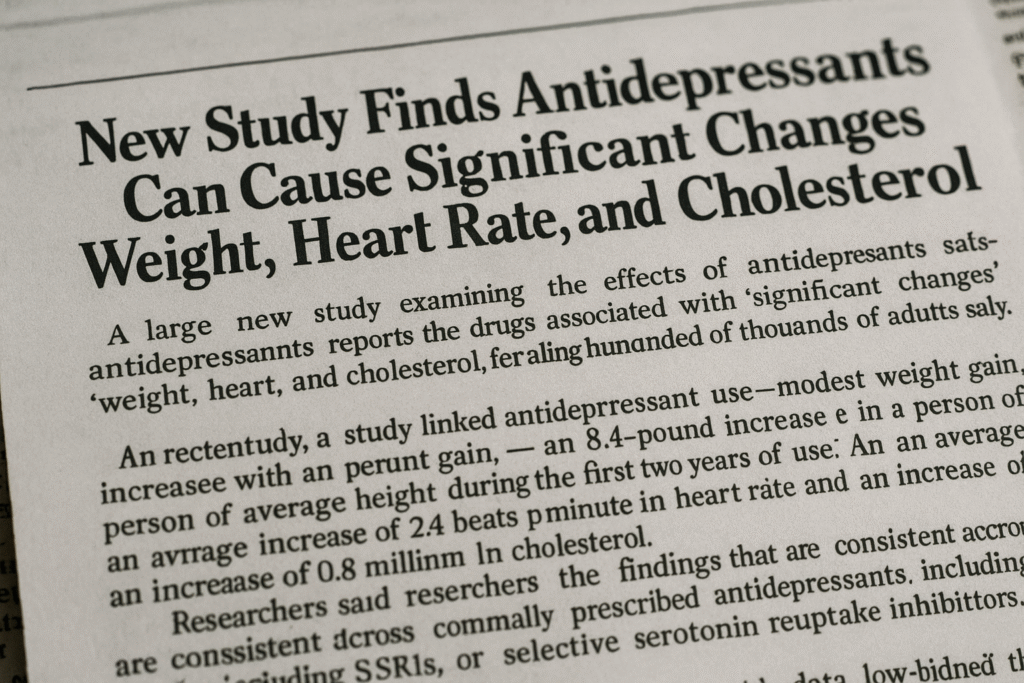
Antidepressants are widely prescribed to treat depression and anxiety, helping millions of Americans manage their mental health. However, a new study published Tuesday in The Lancet finds that these medications may also cause notable changes in weight, heart rate, and cholesterol, underscoring the importance of personalized treatment plans.
Large-Scale Study Reveals Metabolic Differences
Researchers analyzed data from more than 58,000 participants who were treated with 30 different antidepressants or a placebo over an average of eight weeks. The study aimed to investigate how these medications affect the body’s metabolism and cardiovascular system, providing a clearer picture of potential side effects beyond mood improvements.
The researchers identified what they termed “clinically significant” variations between antidepressants, highlighting that the same medication may affect different people in vastly different ways.
“Antidepressants are life-saving and life-changing, but their effects on the body can vary greatly depending on a person’s metabolism, age, and other medications they may be taking,” said Dr. Sue Varma, a psychiatrist who reviewed the findings.
Weight Changes Are Notable
One of the study’s key findings relates to changes in body weight. Certain medications were associated with weight gain, while others were linked to weight loss.
- Maprotiline users gained an average of 4 pounds during the study period.
- Amitriptyline was linked to weight gain in nearly half of participants taking the drug.
- Conversely, agomelatine users experienced an average weight loss of 5.5 pounds, with 55% of participants losing weight.
These differences illustrate that antidepressants can have opposite effects on metabolism, emphasizing the need for careful selection of medication based on individual health profiles.
Heart Rate and Cardiovascular Impact
The study also examined how antidepressants influence heart rate. Some drugs increased heart rate, while others decreased it:
- Nortriptyline increased heart rate by about 14 beats per minute.
- Fluvoxamine caused a decrease of approximately 8 beats per minute.
“Changes in heart rate may seem small, but they can be meaningful for patients with preexisting cardiovascular conditions,” Varma explained.
Cholesterol and other metabolic markers were also affected differently depending on the antidepressant. Researchers stressed that these side effects, while important, do not negate the overall benefits of treating depression and anxiety, which remain significant.
Balancing Benefits and Risks
Untreated depression and anxiety themselves can cause physical changes, including weight fluctuations and altered heart rate, meaning the decision to start medication involves weighing both risks and benefits.
“It’s crucial for patients and clinicians to have an open discussion about potential side effects and to monitor for changes regularly,” Varma said. “Personalized prescriptions allow doctors to select a medication that balances effectiveness with minimal metabolic impact for each patient.”
The findings support a tailored approach to treatment, particularly for individuals with preexisting conditions such as obesity, cardiovascular disease, or metabolic syndrome. Regular monitoring and adjustments can help reduce the risk of adverse effects while ensuring that mental health needs are met.
Implications for Clinical Practice
The research underscores that antidepressants are not a one-size-fits-all solution. Physicians may consider factors such as:
- Age and metabolism
- Preexisting health conditions
- Other medications a patient may be taking
- Risk of weight gain, heart rate changes, or cholesterol alterations
These considerations are increasingly relevant as mental health awareness grows and more people seek treatment for depression and anxiety.
“Understanding how each antidepressant interacts with the body allows clinicians to make informed decisions that optimize both mental and physical health outcomes,” Varma added.
Moving Forward
The study authors encourage healthcare providers to integrate these findings into clinical practice, discussing possible side effects upfront and tracking patients’ weight, heart rate, and cholesterol during treatment.
Patients should also communicate openly about any changes they notice while taking antidepressants and report concerns promptly. Awareness and collaboration between doctors and patients can improve both the safety and efficacy of treatment.
“While these medications can cause side effects, the benefits of managing depression and anxiety far outweigh the risks when carefully monitored,” Varma said.